Quick Takeaways
- Mazda electric vehicle launch delay highlights a strategic shift toward hybrids amid slowing global EV demand.
- Mazda electric vehicle launch delay reflects cautious EV expansion while sustaining long-term electrification plans.
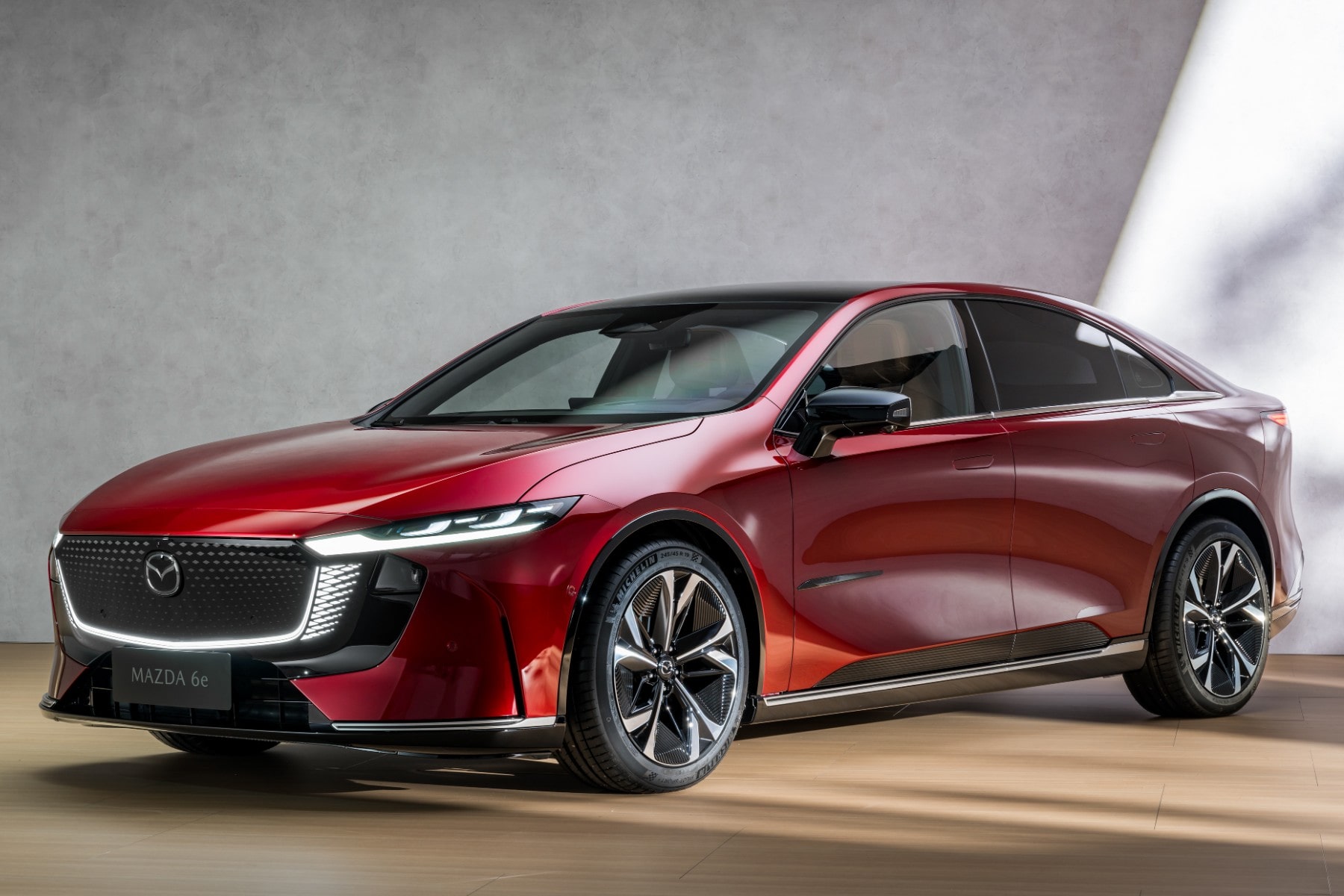
On January 16, Mazda Motor Corporation informed its suppliers that it plans to postpone the launch of its electric vehicle based on a dedicated platform. The model, earlier expected in 2027, is now likely to arrive in 2029 or later, marking a notable Mazda electric vehicle launch delay.
Reasons Behind the Mazda Electric Vehicle Launch Delay
The decision is closely linked to weak global EV sales momentum, especially in the United States, which remains Mazda’s most important market. With consumer interest in hybrids remaining strong, the company is choosing to emphasize hybrid vehicles as its primary products in the near term.
Mazda’s Official Position on the EV Timeline
Regarding the delay, Mazda stated, “This has not officially been announced by Mazda. We will continue to respond to demand from each market through our multi-solution strategy.” This response underlines that flexibility, rather than retreat, defines Mazda’s current electrification roadmap.
Dedicated EV Platform and Production Plans
Despite the revised timing, the EV remains a core global strategic vehicle for Mazda. The model is planned for production at the Hofu Plant in Hofu City, Yamaguchi Prefecture, reinforcing its long-term importance within Mazda’s manufacturing network.
Flexible EV Architecture for Future Technologies
The dedicated platform is being developed with adaptability in mind, allowing for future technological upgrades. This includes the capability to accommodate batteries of different shapes and configurations, ensuring the vehicle can evolve alongside advancements in battery technology.
By balancing hybrids today with adaptable EV platforms for tomorrow, Mazda aims to stay aligned with market realities while keeping its long-term electrification ambitions intact.
Reasons Behind the Mazda Electric Vehicle Launch Delay
The decision is closely linked to weak global EV sales momentum, especially in the United States, which remains Mazda’s most important market. With consumer interest in hybrids remaining strong, the company is choosing to emphasize hybrid vehicles as its primary products in the near term.
- Global EV adoption has slowed compared to earlier expectations
- Hybrid vehicles continue to see stable and rising demand
- Market uncertainty has increased pressure on EV investment timelines
Mazda’s Official Position on the EV Timeline
Regarding the delay, Mazda stated, “This has not officially been announced by Mazda. We will continue to respond to demand from each market through our multi-solution strategy.” This response underlines that flexibility, rather than retreat, defines Mazda’s current electrification roadmap.
Dedicated EV Platform and Production Plans
Despite the revised timing, the EV remains a core global strategic vehicle for Mazda. The model is planned for production at the Hofu Plant in Hofu City, Yamaguchi Prefecture, reinforcing its long-term importance within Mazda’s manufacturing network.
Flexible EV Architecture for Future Technologies
The dedicated platform is being developed with adaptability in mind, allowing for future technological upgrades. This includes the capability to accommodate batteries of different shapes and configurations, ensuring the vehicle can evolve alongside advancements in battery technology.
By balancing hybrids today with adaptable EV platforms for tomorrow, Mazda aims to stay aligned with market realities while keeping its long-term electrification ambitions intact.
Company Press Release
Click above to visit the official source.
Discussion
Join the conversation.
Share: