- 2026 Lexus NX debuts with new hybrid technology.
- New PHEV battery boosts range to 140 km.
Updated Lexus NX Enters the Electrified Era
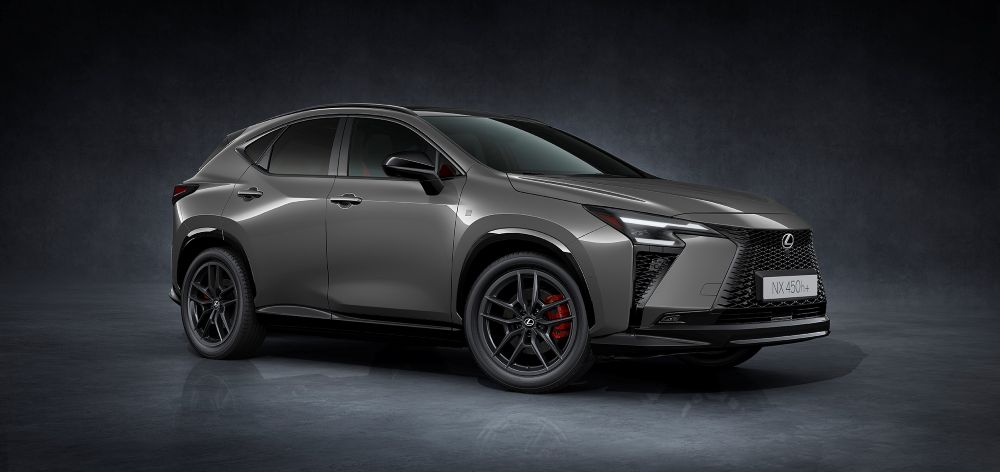
On September 1, 2026, Toyota Motor Corporation announced the world premiere of the significantly updated 2026 Lexus NX compact SUV, introducing a new generation hybrid system and a newly developed lithium-ion battery for its plug-in hybrid variant. The refreshed model combines updated exterior and interior styling with changes aimed at improving driving and environmental performance. The global rollout is scheduled to begin from the end of 2026. Developed under the theme “Discover your edge,” the NX is intended to expand customer possibilities while retaining the balance of sportiness and utility that has characterized previous generations. The lineup will include NX 450h+ PHEV, NX 350h HEV, and NX 300h HEV variants.
Exterior Design and Dimensions
The redesigned NX adopts a wide, low stance with simple, clean proportions, reinforcing its sporty character while maintaining the compact SUV format. The headlamps, cornering lamps, and other functional elements are integrated seamlessly into the grille, while a new mesh grille is designed to improve both aerodynamic and cooling performance. The exterior changes express Lexus’ emphasis on combining form and function. The new model measures 4,690 mm in length, 1,865 mm in width, and 1,660 mm in height, with a 2,690 mm wheelbase. Compared with the previous model, overall length has increased by 30 mm, providing a revised package for the updated generation.
NX 450h+ PHEV Gains Battery and Charging Improvements
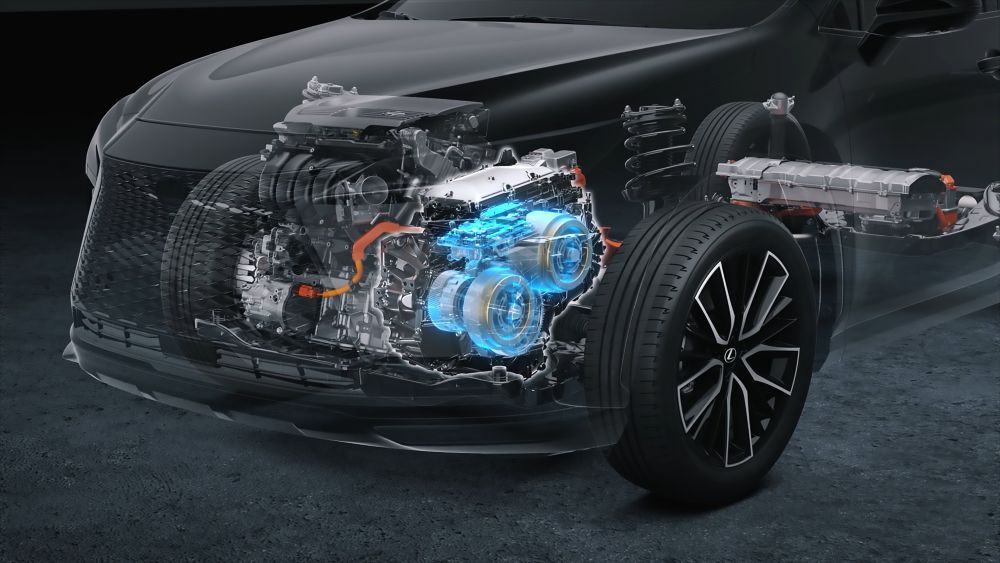
The NX 450h+ PHEV combines a 2.5-liter inline four-cylinder engine with a transaxle and has a combined maximum output of 240 kW, although Toyota identifies this as a tentative figure for vehicles still under development. Its newly developed lithium-ion battery increases output by 8% and capacity by 30%. For the Japan market specification, these changes extend the EV driving range to 140 km. The NX 450h+ also supports DC fast charging, which substantially reduces charging time. The battery cell layout has been changed from the conventional longitudinal arrangement to a transverse configuration, increasing lateral rigidity across the body while enabling a lower battery mounting position and lower center of gravity.
Battery Packaging Targets Handling and Driving Stability
These battery and packaging changes are intended to improve the NX 450h+ beyond electric driving range alone. The transverse cell arrangement strengthens lateral rigidity across the vehicle, while the lower battery position helps reduce the center of gravity. Together, these structural changes contribute to improved handling and driving stability. The combination of a larger-capacity lithium-ion battery, higher output, and DC fast-charging capability also strengthens the PHEV’s usability for customers who need both electric driving capability and longer-distance flexibility. For Japan, the stated 140 km EV range provides a clear measure of the updated system’s electric performance, while the global market introduction from the end of 2026 will determine how the specification is applied across different regions.
HEV Powertrains Adopt Compact E-Axle Technology
The NX 350h HEV uses a 2.5-liter inline four-cylinder engine and has a combined maximum output of 180 kW, while the NX 300h HEV uses a 2.0-liter inline four-cylinder engine with a combined maximum output of 145 kW. Both figures are described as tentative for vehicles under development. An e-axle integrating the transaxle, motor, and power control unit creates a more compact, lightweight, and lower-center-of-gravity package. The architecture is intended to improve drivetrain efficiency while supporting packaging and vehicle dynamics. In addition, low-electrical-loss silicon carbide power semiconductors are used in the inverter, further enhancing efficiency and contributing to improved fuel economy across the hybrid powertrain.
Updated Cabin and Driver Assistance Technology
Inside the cabin, the updated Lexus NX adopts a horizontally aligned instrument panel that places the 12.3-inch digital meter and 14-inch navigation and multimedia display in a clear visual arrangement. The layout is designed to minimize eye movement while helping maintain a clear view of the road. Safety technology is also updated through Lexus Safety System+, including Radar Cruise Control with an all-speed following function, Lane Change Assist, and the Pre-Collision System. A Driver Monitor adds another layer of assistance by using a driver-monitor camera to detect signs of drowsiness. Together, these changes update the NX’s digital interface and driver-assistance package alongside its revised electrified powertrains from Toyota Motor Corporation.
Frequently Asked Questions
What is new about the 2026 Lexus NX?
The 2026 Lexus NX introduces updated hybrid powertrains, a newly developed lithium-ion battery for the NX 450h+ PHEV, refreshed styling, and expanded charging capability. The PHEV battery increases output by 8% and capacity by 30%, enabling a stated EV driving range of 140 km for the Japanese market specification. The NX 450h+ also supports DC fast charging, while revised battery packaging improves lateral rigidity and lowers the center of gravity. The NX 350h and NX 300h continue as HEV variants with updated efficiency-focused technology.
When will the updated Lexus NX reach global markets?
Toyota Motor Corporation plans to introduce the significantly updated Lexus NX across global markets from the end of 2026, with specifications potentially varying by region. The range includes the NX 450h+ PHEV, NX 350h HEV, and NX 300h HEV. The model combines revised exterior and interior designs with updated electrified powertrains, a new battery system for the PHEV, improved charging capability, and updated Lexus Safety System+ features. Toyota describes the vehicle as developed for the electrified era while preserving the NX’s balance of sportiness and utility.
Click above to visit the official source.
Discussion
Join the conversation.