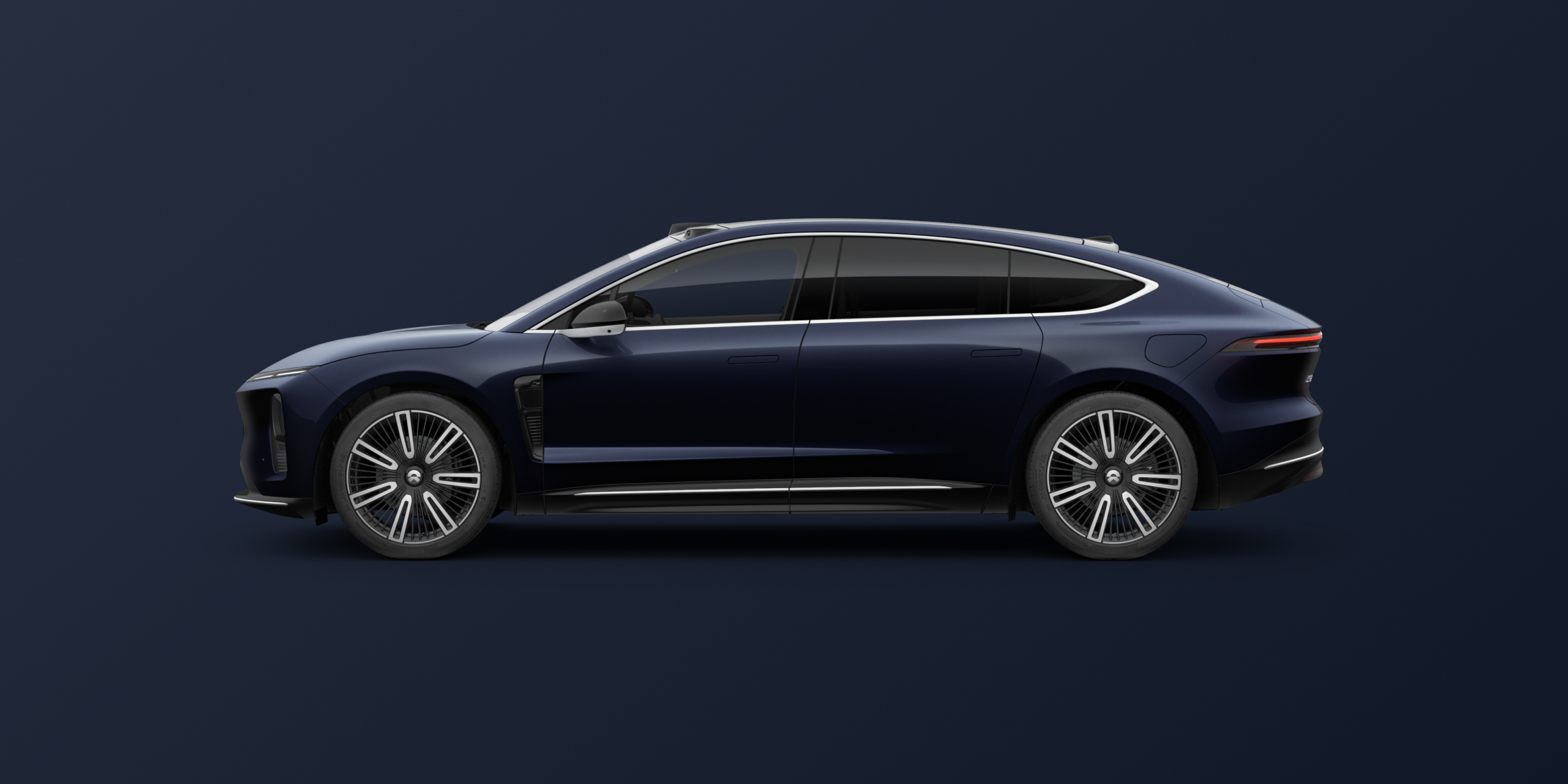
- Nio teases ES9 SUV with extreme cold testing and high-speed safety validation
- Flagship model to feature advanced chips and SkyRide chassis technology
Nio has released an early look at its upcoming flagship model through the Nio ES9 electric SUV preview, signaling the start of its launch momentum ahead of a dedicated technology event scheduled for April 9. The initial video focuses on real-world validation, highlighting extreme winter testing and advanced vehicle dynamics. By showcasing performance in harsh conditions and complex driving scenarios, the company is positioning the ES9 as a technologically advanced large electric SUV designed to compete in the premium segment.
Extreme Cold Testing and Performance Validation
The preview video captures behind-the-scenes footage of the ES9 undergoing rigorous winter testing in Yakeshi, Inner Mongolia. The vehicle was evaluated in temperatures as low as minus 30 degrees Celsius, ensuring reliability under extreme environmental stress. Such conditions are critical for validating battery efficiency, thermal management systems, and overall vehicle durability. The footage emphasizes the model’s ability to maintain stability and performance consistency even in freezing climates, which is essential for expanding electric vehicle adoption in colder regions.
High-Speed Safety Demonstration
One of the most notable highlights is the successful completion of a high-speed tire blowout test at 150 km/h. This demonstration underscores the vehicle’s structural integrity and advanced control systems. Additionally, the company plans to showcase a stability test featuring a champagne tower placed on the vehicle, designed to visually demonstrate suspension precision and ride smoothness. These tests reflect a strong focus on both safety engineering and ride comfort in demanding driving scenarios.
Agility Comparable to Compact Vehicles
The preview also includes a comparison between the ES9 and a smaller electric model navigating narrow roads. Despite its large SUV dimensions, the vehicle appears to exhibit a turning radius and maneuverability similar to that of a compact car. This suggests that advanced steering systems and chassis tuning have been optimized to improve urban usability, addressing a common limitation associated with larger vehicles. The emphasis on agility indicates a balanced approach between size, comfort, and drivability.
Advanced Technology and Platform Integration
The ES9 is expected to integrate the latest in-house developed technologies, including next-generation autonomous driving chips and a sophisticated chassis architecture. These innovations are likely derived from earlier flagship developments, focusing on improving computational capability and dynamic control. The platform is designed to support enhanced driving assistance features, improved stability, and seamless integration of hardware and software systems, reinforcing the brand’s strategy toward high-end intelligent mobility solutions.
SkyRide Chassis and Autonomous Capabilities
The vehicle is anticipated to feature the SkyRide chassis system, which has previously demonstrated exceptional ride stability under challenging conditions. Combined with proprietary autonomous driving chips, the ES9 aims to deliver a refined driving experience supported by high processing power and advanced algorithms. These elements are expected to enable smoother handling, precise control, and improved safety performance across varied driving environments.
Launch Timeline and Market Positioning
The technology event scheduled for April 9 will serve as a key milestone, building anticipation ahead of the Beijing Auto Show later in the month, where the ES9 is expected to make its public debut. While pricing details have not yet been disclosed, the model is positioned above existing offerings in the lineup, indicating a premium market strategy. Alongside the flagship launch, the company is also refining its core models with incremental upgrades to maintain competitiveness across key segments.
By combining extreme testing validation, advanced hardware integration, and refined driving dynamics, the ES9 represents a strategic step in expanding high-end electric vehicle offerings while reinforcing technological leadership in the premium SUV category.
Click above to visit the official source.
Discussion
Join the conversation.