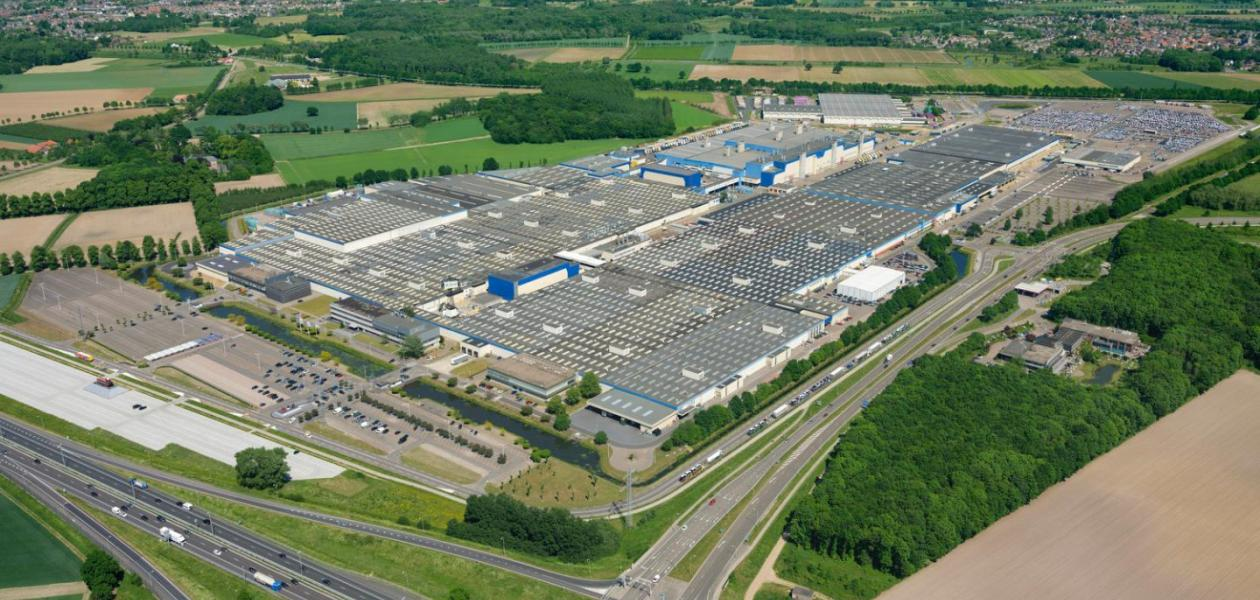
- VDL Groep plans to develop its Born site into a multi-focus sustainable manufacturing hub.
- Geopolitical instability may influence the company’s financial performance in 2026.
In a strategic move to strengthen its industrial footprint, VDL Groep announced plans to expand and modernize its Born facility into a future-ready manufacturing hub. The initiative focuses on advancing sustainable production capabilities while positioning the site as a key contributor to Europe’s evolving mobility ecosystem. This development aligns with broader industry trends emphasizing electrification, localized production, and high-value engineering.
Strategic Focus Areas for Born Facility Development
The transformation of the Born site will center around four major domains that reflect emerging priorities in the automotive and energy sectors. These areas are designed to create a diversified and resilient manufacturing ecosystem capable of supporting next-generation mobility solutions and industrial innovation.
- Sustainable mobility solutions and electrified vehicle systems
- Battery pack development and production capabilities
- New energy systems including alternative power technologies
- High-tech and automated manufacturing processes
Collaboration with Regional Authorities
The development initiative is being carried out in collaboration with the Province of Limburg and other regional stakeholders. This partnership aims to strengthen the industrial ecosystem, attract technological investments, and create long-term economic value. By leveraging regional expertise and policy support, the project is expected to accelerate innovation and ensure sustainable industrial growth.
Vision for a Future-Ready Production Hub
VDL Groep intends to establish the Born site as a sustainable and increasingly autonomous production center. The focus will be on high-quality manufacturing tailored to European market demands, integrating advanced automation and energy-efficient systems to enhance competitiveness and operational efficiency.
Impact of Geopolitical Uncertainty on Financial Outlook
The company also indicated that its revenue and earnings outlook for 2026 remains uncertain due to ongoing instability in the Middle East. Such geopolitical factors could lead to increased operational and supply chain costs, potentially affecting profitability and investment timelines across its business segments.
This strategic expansion underscores VDL Groep’s commitment to sustainable industrial transformation while navigating global uncertainties that continue to shape the automotive and manufacturing landscape.
Click above to visit the official source.
Discussion
Join the conversation.