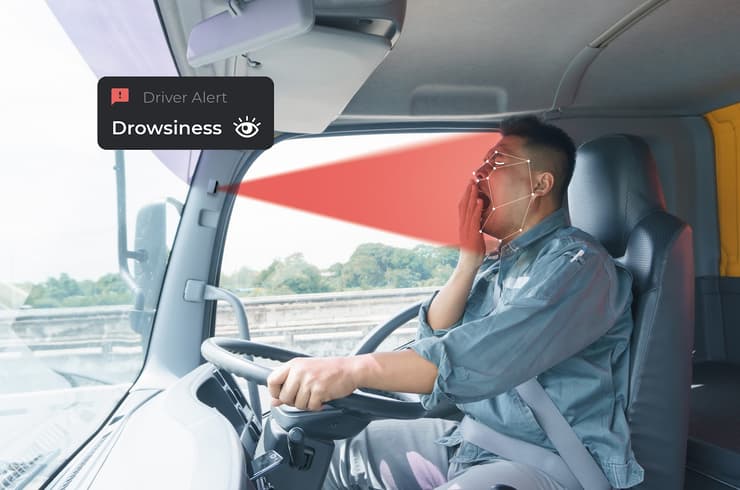
- Valeo IAA Transportation 2026 highlights commercial vehicle technologies.
- New ADAS and electrification solutions target safer logistics.
Valeo Targets Commercial Vehicle Transformation at IAA Transportation 2026
Valeo will showcase its latest commercial vehicle technologies at IAA Transportation 2026, scheduled for September 14–20 at Hanover Messe in Germany. The Paris-based automotive supplier will occupy Hall 20, booth 30, with its exhibit focused on vehicle electrification, driver assistance systems, and software-defined vehicle architecture. Valeo considers these three areas important to the near-term transformation of commercial transportation. The company’s display is aimed at addressing the changing requirements faced by truck and light commercial vehicle operators as emissions regulations, safety requirements, operating costs, and autonomous driving technologies continue to reshape the sector.
IAA Transportation Provides a Global Commercial Vehicle Platform
IAA Transportation is a major international trade event for the transport industry and is held every two years in Hanover. The exhibition brings together commercial vehicle manufacturers, fleet operators, logistics businesses, and technology suppliers from around the world. It also serves as an important venue for companies to present new products, announce partnerships, and communicate strategic priorities. Against this backdrop, Valeo is using its 2026 presence to demonstrate technologies addressing several simultaneous pressures affecting commercial transportation. These include stricter emissions requirements, evolving road safety mandates, increasing fuel and operating expenses, and the gradual acceleration of autonomous transport capabilities.
Electric Powertrain Technology Targets Last-Mile Delivery
Valeo’s electrification portfolio at the exhibition will address both heavy-duty trucks and light commercial vehicles, including Cyclee™, an electric powertrain system designed for last-mile delivery and urban cargo mobility. The system is intended to complement long-haul trucking infrastructure by supporting zero-emission logistics operations inside cities. This application is particularly relevant as European cities expand low-emission zones and introduce measures aimed at reducing transport-related emissions in urban areas. For fleet operators, electrification technologies such as Cyclee™ can provide a pathway toward meeting increasingly demanding environmental requirements while supporting the operational needs of urban delivery networks.
Level 4 ADAS Technology Supports Commercial Truck Autonomy
For driver assistance and automated driving, Valeo will present sensing, sensor-cleaning, and computing technologies capable of supporting autonomy levels up to Level 4. At this level, a vehicle can perform most driving tasks without human intervention under defined operating conditions. Although broad Level 4 deployment in commercial trucking remains limited, the underlying technology stack is increasingly relevant to lower levels of assistance, including lane-keeping, emergency braking, and platooning. Valeo reports a measurable increase in orders for commercial vehicle ADAS technology since the previous IAA Transportation in 2024, identifying safety regulations and driver shortages as important factors supporting demand for these systems.
Adaptive Lighting and Driver Monitoring Address Safety Requirements
Two safety technologies will receive particular attention at Valeo’s booth: an Adaptive Driving Beam (ADB) lighting system and a Driver Monitoring System (DMS). The ADB system automatically adjusts the high-beam pattern to illuminate the road ahead while limiting glare directed toward oncoming drivers. The technology has already been established in passenger vehicles and is now being introduced to commercial vehicles, where extended operating periods and highway travel increase the importance of nighttime visibility. The DMS monitors indicators of driver drowsiness and distraction in real time, providing another layer of active safety for commercial vehicle operations.
GSR II Compliance Drives New Commercial Vehicle Safety Features
Both the ADB and DMS technologies are designed to meet the requirements of the European Union’s General Safety Regulation II (GSR II) and updated NCAP 2026 assessment standards. These requirements broaden vehicle safety evaluation beyond traditional crash performance by placing greater emphasis on driver assistance and monitoring capabilities. The changes are significant for commercial vehicle manufacturers and suppliers because compliance increasingly depends on integrated electronic and sensing technologies. Valeo’s focus on lighting and driver monitoring therefore reflects both the immediate safety needs of commercial fleets and the regulatory direction of the European market, where active safety systems are becoming increasingly important.
Established Commercial Vehicle Products Remain Part of Valeo’s Portfolio
Alongside newer electrification and automated driving technologies, Valeo will continue to highlight established product categories used in commercial vehicles. These include lighting systems, wiper systems, thermal management solutions, and powertrain components, areas in which the supplier has served truck manufacturers for decades. The company says it intends to maintain its position across these established segments while increasing investment in electrification, ADAS, and software-defined vehicle technologies. This approach allows Valeo to combine its existing commercial vehicle business with newer technology areas that are expected to become increasingly important as manufacturers respond to regulatory requirements, changing fleet economics, and evolving vehicle architectures.
Software-Defined Vehicles Represent a Longer-Term Trucking Shift
Valeo will also present its software-defined vehicle capabilities as part of its broader commercial vehicle strategy. Software-defined trucks are designed so that important vehicle functions can increasingly be controlled, managed, and updated through software rather than being determined solely by fixed hardware. This architecture can change how commercial vehicles are engineered, maintained, and upgraded over their operating lives. However, widespread adoption of fully software-defined truck architectures is expected to develop gradually over the coming years. Valeo’s presence at IAA Transportation 2026 therefore combines near-term technologies such as electrification and ADAS with a longer-term technology roadmap centered on increasingly software-driven commercial vehicle architectures.
Frequently Asked Questions
What will Valeo showcase at IAA Transportation 2026?
Valeo will showcase commercial vehicle technologies spanning electrification, advanced driver assistance, safety systems, and software-defined vehicle architecture at IAA Transportation 2026. Its presentation includes the Cyclee™ electric powertrain for last-mile delivery, Level 4-capable sensing and computing technologies, Adaptive Driving Beam lighting, and Driver Monitoring Systems. The company will also display established commercial vehicle technologies covering lighting, wipers, thermal management, and powertrain components. Together, these technologies demonstrate Valeo’s strategy of combining its established commercial vehicle portfolio with newer solutions designed to address emissions reduction, road safety, driver shortages, and the gradual transition toward software-defined and automated transportation.
Click above to visit the official source.
Discussion
Join the conversation.