- Foton Motor Technology Strategy targets systematic innovation through 2030.
- Seven technologies advance AI, energy, and intelligent vehicles.
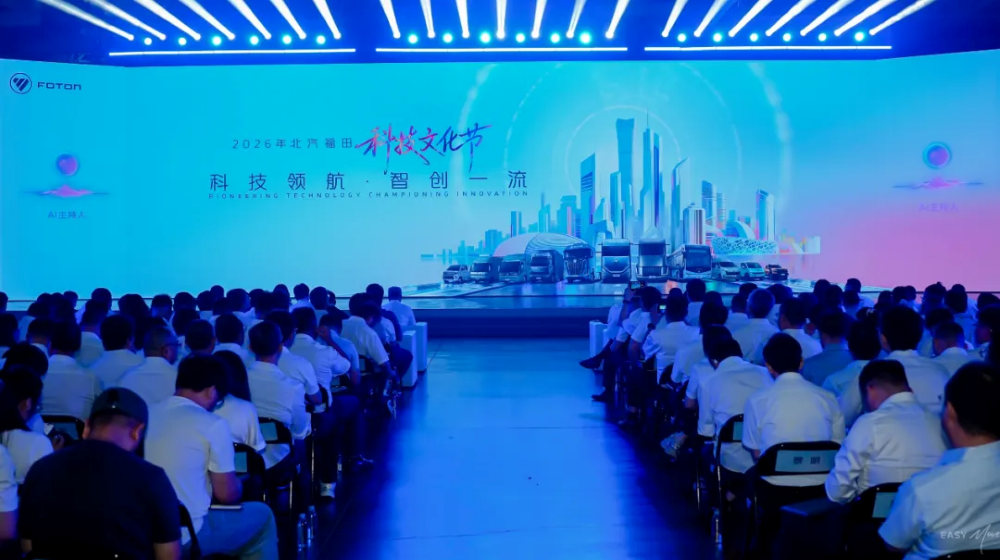
On August 24, Beiqi Foton Motor Co Ltd unveiled seven internally developed technologies at its 2026 Foton Motor Technology and Culture Festival and Technology Innovation Conference. The technologies span intelligent electrical and electronic systems, hybrid powertrains, hydrogen-energy components, AI-based engineering, intelligent driving, vehicle-to-grid energy interaction, and enterprise-wide data intelligence. Foton Motor said several of the technologies have already entered mass-produced vehicles or commercial pilot applications, highlighting the company’s focus on moving technological development toward practical deployment rather than limiting innovation to research-stage programs.
Seven Technologies Highlight Foton Motor’s Innovation Push
The technologies presented include the FEEP 2.0 intelligent domain-control architecture platform and the Jinghun P13 hybrid system for light-duty commercial vehicles. Foton Motor also introduced high-performance metallic bipolar plates for fuel cells, the ChuangGou AI generative forward-engineering platform for commercial vehicles, and the CangQiong Intelligent Driving highway driving-assistance system. The portfolio additionally includes vehicle-to-grid (V2G) energy interaction technology and the Fuzhi Foton AI enterprise-wide data intelligence platform. Together, these developments address vehicle architecture, low-carbon propulsion, hydrogen systems, AI-enabled engineering, highway driving assistance, energy interaction, and enterprise digital intelligence.
Technology Strategy Sets 2026–2030 Priorities
Foton Motor also officially released its Technology Strategy for the 15th Five-Year Plan period covering 2026–2030. Over the next five years, the company plans to concentrate on eight core areas: low-carbon powertrains, new energy, intelligent and connected vehicles, intelligent chassis, lightweight materials, AI, industrial ecosystems, and forward-looking technologies. Its development program calls for iterative advances across seven dimensions, including the low-carbon evolution of conventional powertrains, new energy vehicle architecture innovation, commercial deployment of vehicle intelligence, intelligent chassis upgrades, and enterprise-wide digital and AI enablement.
Research Laboratory Strengthens Commercial Vehicle Technology Development
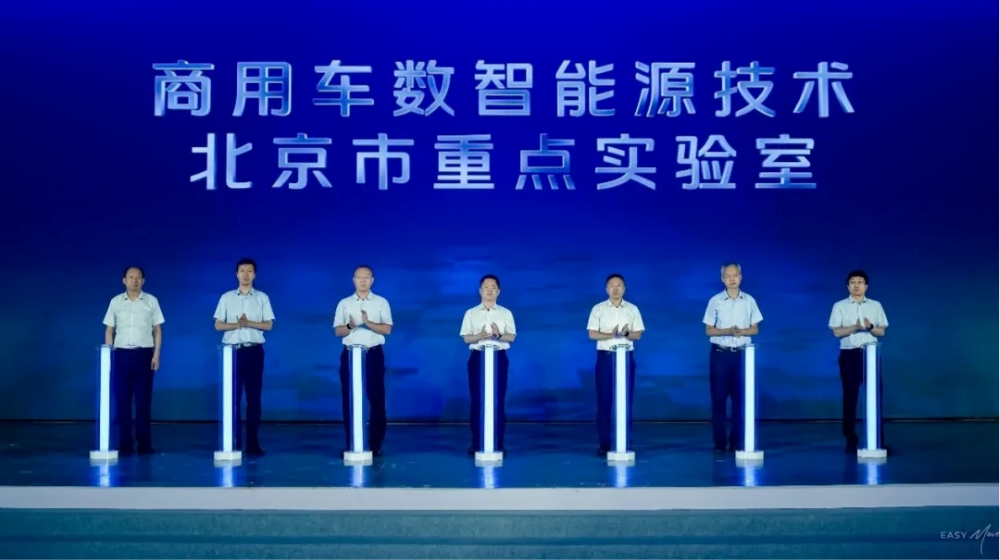
The conference also marked the launch of the Beijing Key Laboratory of Digital and Intelligent Energy Technology for Commercial Vehicles and an appointment ceremony for its research team. Led by Beiqi Foton Motor Co Ltd, the laboratory was jointly established with Beijing Institute of Technology, Beijing University of Technology, Hebei University of Technology, and TELD New Energy Co Ltd. Its work will focus on key digital and intelligent energy technologies for commercial vehicles, commercialization of research results, and talent development, creating a dedicated platform for connecting academic research with industrial applications.
Industry-Academia Partnerships Expand Technology Development
Foton Motor signed three strategic industry-academia-research cooperation agreements during the event. With Beijing Institute of Technology, it will pursue an R&D project focused on AI-based development of new ultra-high-strength aluminum alloys. The company also agreed with China Intelligent & Connected Vehicles (Beijing) Research Institute Co Ltd to jointly develop the RobVAN autonomous-driving operations and dispatch platform. A third agreement with China Automotive Battery Research Institute Co Ltd covers the joint development of high-performance sulfide-based all-solid-state battery technology, extending Foton Motor’s research network across materials, autonomous driving, and advanced energy storage.
Global Commercialization Remains a Core Technology Objective
Foton Motor’s technology program is structured around an end-to-end innovation framework intended to support mass production and global markets. Its combination of low-carbon powertrains, new energy architectures, intelligent and connected vehicles, AI, intelligent chassis, lightweight materials, and digital capabilities indicates an integrated approach rather than isolated technology development. The company’s existing pilot and production applications, new research laboratory, and expanded cooperation agreements provide multiple pathways for translating these technologies into commercial vehicle products and operating solutions in China and international markets.
Frequently Asked Questions
What technologies did Foton Motor unveil at its 2026 technology conference?
Foton Motor unveiled seven technologies spanning intelligent vehicle architecture, hybrid propulsion, fuel-cell components, AI engineering, highway driving assistance, energy interaction, and enterprise data intelligence. The portfolio includes the FEEP 2.0 intelligent domain-control architecture platform, Jinghun P13 hybrid system, high-performance metallic bipolar plates, ChuangGou AI generative forward-engineering platform, CangQiong Intelligent Driving system, vehicle-to-grid technology, and the Fuzhi Foton AI enterprise-wide data intelligence platform.
What is Foton Motor’s technology strategy for 2026–2030?
Foton Motor’s technology strategy for 2026–2030 focuses on eight areas: low-carbon powertrains, new energy, intelligent and connected vehicles, intelligent chassis, lightweight materials, AI, industrial ecosystems, and forward-looking technologies. The strategy is designed to drive iterative technological improvements across vehicle powertrains, new energy architectures, commercial vehicle intelligence, chassis systems, and enterprise-wide digital and AI capabilities while establishing a systematic framework for mass production and global market deployment.
What new research partnerships did Foton Motor announce?
Foton Motor announced three strategic industry-academia-research collaborations covering advanced materials, autonomous driving, and battery technology. The projects involve Beijing Institute of Technology, China Intelligent & Connected Vehicles (Beijing) Research Institute Co Ltd, and China Automotive Battery Research Institute Co Ltd. Their objectives include developing AI-enabled ultra-high-strength aluminum alloys, creating the RobVAN autonomous-driving operations and dispatch platform, and advancing high-performance sulfide-based all-solid-state battery technology for future applications.
Click above to visit the official source.
Discussion
Join the conversation.