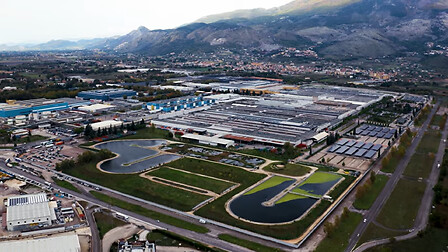
- Cassino plant production has dropped drastically, raising concerns across Italy and Europe
- Unions demand clear investment and recovery plans to safeguard jobs
The Stellantis Cassino plant crisis Italy has intensified as unions, workers, and local stakeholders gathered on March 20 to protest the ongoing industrial decline. Organized by FIM-CISL alongside other unions and institutions, the demonstration highlighted growing concerns over job security and long-term sustainability. The protest reflects broader anxieties about the weakening automotive ecosystem in Italy, with participants urging immediate corrective measures to prevent further deterioration.
Sharp Production Decline Raises Alarm
The Cassino manufacturing facility has witnessed a dramatic reduction in vehicle output over recent years, signaling a deepening operational crisis. Production has fallen from more than 135,000 units approximately eight years ago to fewer than 20,000 vehicles in 2025. Projections for 2026 suggest an even steeper drop to around 13,000 units. This sustained decline underscores structural challenges, including reduced model allocation and weakening demand, which are impacting the plant’s overall viability.
Employment Impact and Workforce Challenges
The reduction in production volumes has directly translated into significant job losses and reduced working hours. Workforce numbers have declined from over 4,300 employees to nearly 2,000, leaving many workers either underutilized or dependent on government support schemes. Extended plant shutdowns and limited operational days have further strained employees, creating uncertainty around income stability and long-term employment prospects within the region.
Supplier Ecosystem Also Under Pressure
The ripple effects of the downturn have extended beyond the main facility to the broader supplier network. Several associated companies, including Logitec, Teknoservice, and Transnova, have reported layoffs and furloughs. This contraction within the supply chain highlights the interconnected nature of automotive manufacturing, where disruptions at a major plant can cascade across multiple tiers of suppliers and service providers.
Lack of Product Pipeline and Future Uncertainty
One of the critical concerns raised by unions is the absence of new vehicle models assigned to the Cassino plant in 2025. The lack of a defined production roadmap for 2026 further compounds uncertainty. Without new product introductions or platform allocations, the plant risks continued underutilization, making recovery increasingly difficult in an already competitive European automotive landscape.
Union Demands and Strategic Expectations
Labor unions are urging Stellantis to present a comprehensive recovery strategy through the upcoming Filosa Plan. Key demands include clear timelines, committed investments, and a structured roadmap for future production. The primary objective remains safeguarding employment while restoring the plant’s competitiveness. Stakeholders emphasize that without decisive intervention, similar situations could emerge across other manufacturing hubs in Europe.
The situation at Cassino serves as a critical indicator of broader industry challenges, emphasizing the urgent need for strategic planning, investment clarity, and sustainable production alignment to secure the future of automotive manufacturing in the region.
Click above to visit the official source.
Discussion
Join the conversation.