- Bosch MacMic SiC Power Modules Collaboration expands applications.
- New modules target traction inverters and industrial systems.
Bosch and MacMic Expand SiC Power Module Cooperation
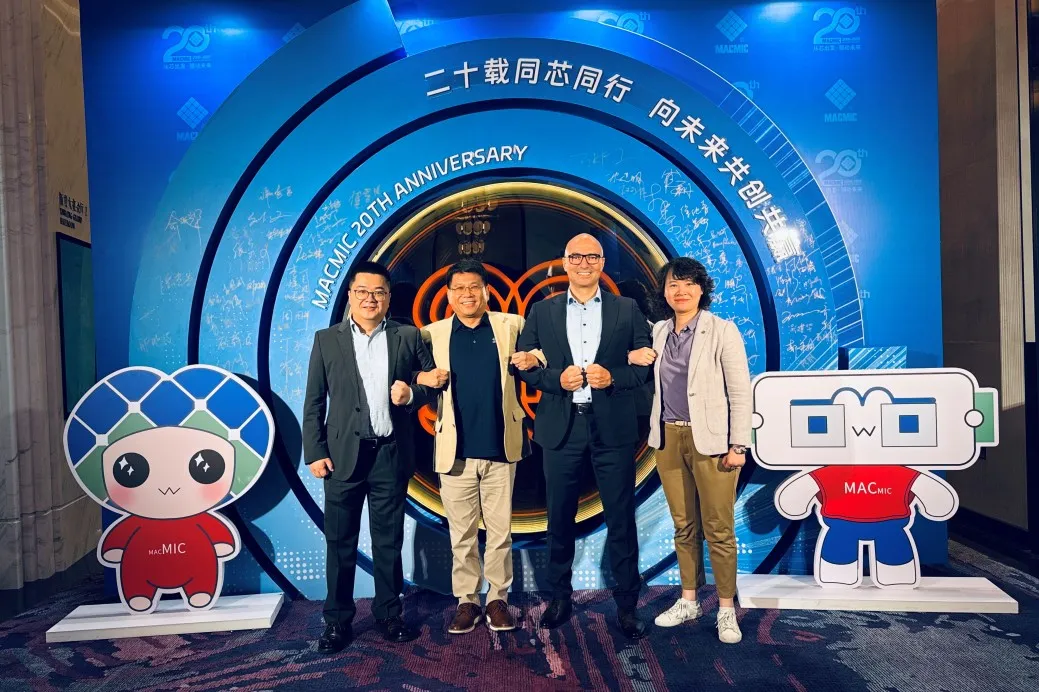
Robert Bosch GmbH (Bosch) has announced a collaboration with MacMic Science & Technology Co Ltd focused on silicon carbide (SiC) power modules. Under a “Chip+” model, the cooperation extends beyond chip supply into product collaboration, quality optimization, and expansion into additional applications. The partnership combines Bosch’s SiC MOSFET technology with MacMic’s standard module design and packaging platform. The companies are targeting traction inverters for new energy vehicles (NEVs), while also evaluating opportunities in AI data centers, solid-state transformers, energy storage systems, and industrial drives.
SiC Modules Target Multiple High-Power Applications
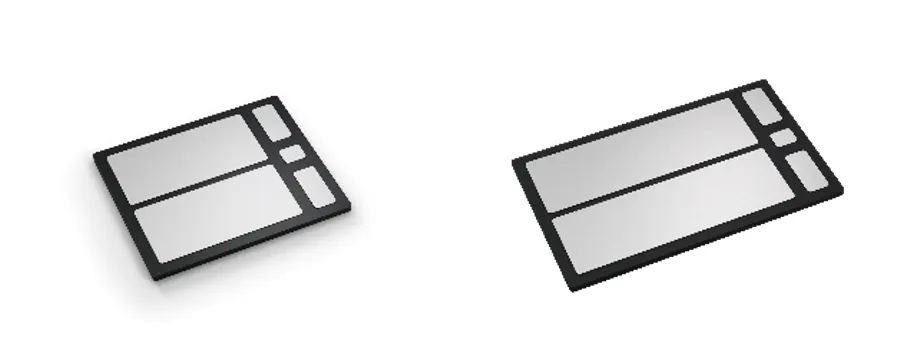
The collaboration brings together the semiconductor technology of Robert Bosch GmbH and MacMic’s established module design and packaging capabilities. The two companies are currently working on products spanning the NV, NVE, NCB, and NCE series. Their initial focus includes traction inverter applications for NEVs, while the broader development scope covers AI data centers, solid-state transformers, energy storage systems, and industrial motor drives. This wider application strategy allows the partners to extend the use of SiC power electronics across automotive and industrial power-conversion systems.
Bosch SiC MOSFET Technology Supports Multiple Voltage Classes
Bosch’s SiC dies are built around a trench-gate SiC MOSFET technology platform and are offered across 750 V, 1,200 V, 1,400 V, and 1,700 V voltage classes. These voltage options provide a range of electrical capabilities for power-electronic systems requiring different operating conditions. Under the cooperation, the resulting modules incorporate pin-fin direct liquid cooling, silver sintering, and laminated busbar designs. The modules have stray inductance of no more than 8 nH and are available with voltage ratings of 1,200 V or 1,500 V, combining the semiconductor platform with packaging technologies designed for demanding power applications.
Automotive Qualification and High-Temperature Operation
The jointly developed modules also meet the requirements of the AQG 324 automotive qualification standard, supporting their intended use in automotive power-electronics applications. For motor-drive applications in battery electric vehicles (BEVs) and hybrid electric vehicles (HEVs), the products are capable of operating at junction temperatures of at least 175°C. The combination of qualification compliance, high-temperature capability, liquid cooling, silver sintering, and low stray inductance addresses key requirements for power modules operating under demanding electrical and thermal conditions. These characteristics are particularly relevant to traction inverter systems, where efficient power conversion and thermal management are important to system performance.
Broader Chip-to-Module Strategy
The “Chip+” cooperation represents an expansion from component supply toward broader product-level collaboration between Robert Bosch GmbH and MacMic Science & Technology Co Ltd. Rather than limiting the relationship to SiC chip supply, the partners are combining semiconductor technology, module architecture, packaging, product development, and quality optimization. The approach is intended to support new applications beyond vehicle traction systems, including AI computing infrastructure, energy systems, and industrial drives. The ongoing NV, NVE, NCB, and NCE series development provides the current product foundation for this expanded cooperation.
Frequently Asked Questions
What is the Bosch MacMic SiC power module collaboration focused on?
The Bosch and MacMic collaboration focuses on combining SiC MOSFET technology with module design and packaging capabilities for advanced power electronics. The partnership uses a “Chip+” model that extends cooperation beyond semiconductor supply into product development, quality optimization, and new application expansion. The companies are developing modules for traction inverters used in new energy vehicles while also examining applications in AI data centers, solid-state transformers, energy storage systems, and industrial drives, with products currently spanning the NV, NVE, NCB, and NCE series.
Click above to visit the official source.
Discussion
Join the conversation.