- Apollo Go London autonomous testing expands autonomous mobility trialsRT6 vehicles advance driverless operations through European deployment
Apollo Go begins autonomous vehicle testing in London
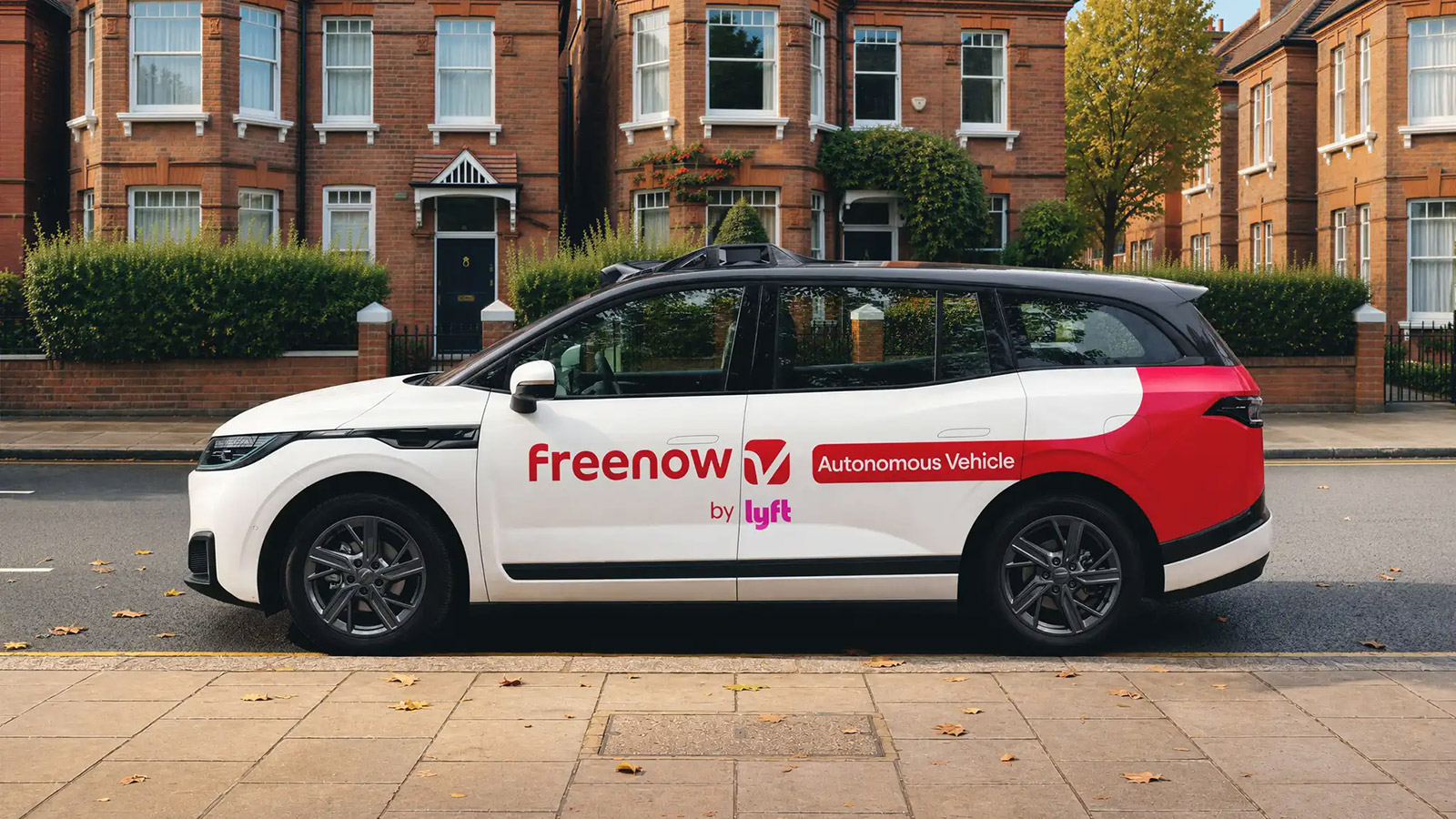
Apollo Go London autonomous testing has started in Brent, London, as Baidu expands its autonomous ride-hailing operations into Europe. The Chinese technology company is conducting road trials with Freenow using Apollo Go's sixth-generation RT6 autonomous vehicle. The testing includes safety operators inside vehicles during the initial phase and covers urban and suburban driving conditions. The program represents a major step in introducing Level 4 autonomous driving technology into a right-hand-drive market while building on previous autonomous mobility experience.
Baidu said the London testing program is being conducted with Freenow, the European mobility platform owned by Lyft. The partnership combines Baidu's autonomous driving technology and RT6 vehicle platform with Freenow's local mobility operations. Testing will initially take place in the borough of Brent in north-west London, with both companies planning to open autonomous rides to public users from 2027, subject to required regulatory approvals and operational permissions.
Strategic partnership supports autonomous mobility expansion
The deployment follows the strategic partnership between Baidu and Lyft announced in 2025. Under this collaboration, Baidu provides autonomous vehicles and driving technology, while Freenow manages local mobility services. The companies have engaged with Transport for London and the Centre for Connected and Autonomous Vehicles to prepare the London program. The initiative aims to integrate autonomous vehicles into existing transport networks alongside conventional taxi and private hire services.
The London deployment builds on Apollo Go's autonomous driving progress in Hong Kong, which became its first right-hand-drive market. On July 23, Apollo Go received the first fully driverless trial permit from Hong Kong's Transport Department. Testing began on Airport Island on July 27, marking the first Level 4 autonomous public road trial without an onboard safety operator in the market.
Consumer acceptance and autonomous ride growth
In London, RT6 vehicles will operate within a hybrid mobility network alongside existing Freenow taxi and private hire vehicles. As fleet numbers increase, the companies expect improved availability and reduced passenger waiting times. A Censuswide survey conducted in March for Freenow showed that 48% of London residents had never travelled in an autonomous vehicle, while 58% said they would likely try the technology. Among respondents below 35 years old, nearly two-thirds supported autonomous vehicle availability in the capital.
Apollo Go has demonstrated significant operational growth through large-scale autonomous ride deployments. As of April 2026, the platform had completed more than 22 million cumulative public rides. During the first quarter alone, Apollo Go completed 3.2 million fully driverless rides, representing growth of more than 120% year-on-year. These figures highlight increasing adoption of autonomous mobility services and the expanding role of artificial intelligence-based transportation solutions.
Global autonomous fleet expansion
By May 2026, Apollo Go operations had expanded across 27 cities globally, with its autonomous fleets accumulating more than 330 million autonomous kilometers. This includes over 220 million fully driverless kilometers completed across different deployment environments. The London testing program strengthens the company's international expansion strategy and provides additional real-world validation for autonomous vehicle technology in complex urban environments. The collaboration also reflects growing industry interest in deploying autonomous mobility services beyond domestic markets.
Frequently Asked Questions
What is Apollo Go London autonomous testing?
Apollo Go London autonomous testing is a road trial program where Baidu's RT6 autonomous vehicles are being evaluated in London with Freenow support. The testing focuses on urban and suburban driving conditions while safety operators remain onboard during the initial phase. The program represents Apollo Go's expansion into Europe and follows autonomous vehicle developments in other right-hand-drive markets. Public passenger services are planned from 2027 after receiving necessary regulatory approvals.
Which vehicle is used for the London autonomous trial?
The London autonomous trial uses Baidu Apollo Go's sixth-generation RT6 autonomous vehicle. The RT6 platform is designed for autonomous ride-hailing applications and supports Level 4 driving capabilities. The vehicles are being tested within Freenow's mobility network to evaluate their performance in real-world city environments. The trial combines autonomous technology with existing transportation services to improve future passenger mobility options.
Click above to visit the official source.
Discussion
Join the conversation.