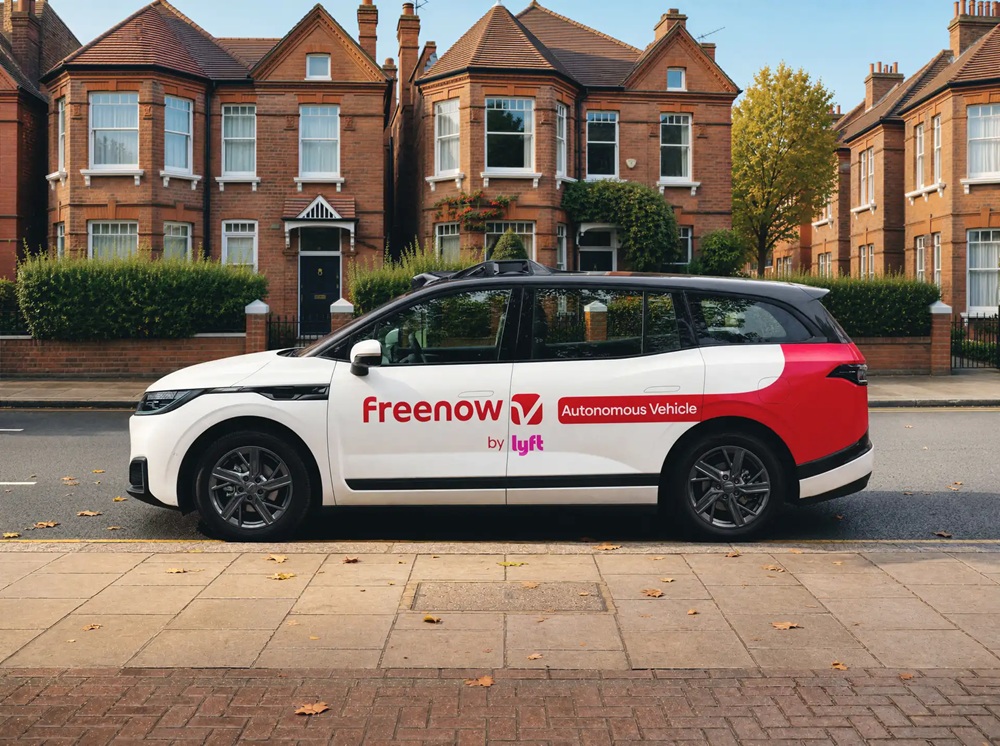
- Freenow Lyft Baidu Apollo Go autonomous vehicles begin London testingLondon autonomous mobility trials expand with regulatory collaboration
Freenow Lyft Baidu Apollo Go autonomous vehicles start London testing
Freenow Lyft Baidu Apollo Go autonomous vehicles have officially started testing in London, marking a major step toward autonomous mobility deployment in Europe. On July 28, Freenow by Lyft and Baidu’s Apollo Go began testing sixth-generation autonomous vehicles in the city. The vehicles include safety operators and will initially operate within the borough of Brent, covering a combination of urban and suburban environments. The initiative builds on Lyft’s 2025 announcement with Baidu for European autonomous vehicle deployment.
Freenow by Lyft and Baidu’s Apollo Go have held extensive discussions with Transport for London and the Centre for Connected and Autonomous Vehicles to align with regulatory requirements. These discussions focus on enabling a safe, reliable and sustainable autonomous transportation service for London users. The companies are working with regulators to support future commercial operations while ensuring autonomous vehicles meet operational expectations before wider public availability.
London autonomous vehicle deployment plans and rider experience
Freenow by Lyft and Baidu’s Apollo Go plan to welcome public riders in these autonomous vehicles starting in 2027. The vehicles will operate as part of a hybrid transportation network that combines Freenow’s existing taxi and private hire vehicle services with autonomous vehicles. This approach is designed to increase platform capacity while maintaining multiple mobility options for passengers. The deployment strategy aims to improve availability and provide faster pickup times as the number of vehicles operating on the platform expands.
Sixth-generation autonomous vehicles support future mobility services
The sixth-generation Apollo Go autonomous vehicles represent the technology platform being evaluated during the London testing phase. The pilot will provide operational insights across different road environments while supporting future autonomous mobility services. By combining autonomous vehicle technology with established ride-hailing infrastructure, Freenow by Lyft and Baidu’s Apollo Go are preparing a pathway toward integrated transportation networks. The testing phase will help assess performance, reliability and user acceptance before public services begin in 2027.
Frequently Asked Questions
When will Freenow and Baidu Apollo Go offer public autonomous rides?
Freenow by Lyft and Baidu’s Apollo Go are expected to welcome public riders in autonomous vehicles starting in 2027. The companies are currently conducting testing with safety operators in London while working with regulators to support safe deployment. The service will initially operate within Brent and will combine autonomous vehicles with existing taxi and private hire services. This hybrid network approach is intended to increase vehicle availability and improve passenger pickup experiences across the platform.
Where are Apollo Go autonomous vehicles being tested in London?
Apollo Go sixth-generation autonomous vehicles are being tested initially within the borough of Brent in London. The testing area provides a mix of urban and suburban environments that can help evaluate autonomous vehicle operations under different road conditions. The vehicles include safety operators during the testing phase, while Freenow by Lyft and Baidu’s Apollo Go continue discussions with relevant authorities. The objective is to establish a reliable autonomous mobility service before planned public rider access begins.
Click above to visit the official source.
Discussion
Join the conversation.