Quick Takeaways
- Volkswagen Virtus Taigun 1.5 TSI manual discontinued, leaving DCT as the only option for performance-focused buyers.
- Pricing gap widens as enthusiasts lose access to an affordable manual turbo-petrol choice.
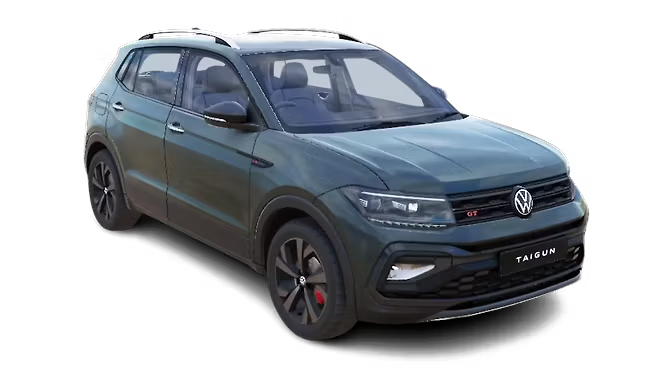
On 16 January 2026, Volkswagen India quietly discontinued the 6-speed manual transmission for the 1.5-litre turbo-petrol variants of the Virtus sedan and Taigun midsize SUV. With this move, the 7-speed dual-clutch automatic becomes the only gearbox available with the 1.5 TSI engine across both models, reshaping choices for performance-oriented buyers.
Volkswagen Virtus Taigun 1.5 TSI Manual Discontinued Details
The Volkswagen Virtus Taigun 1.5 TSI manual discontinued decision affects variants that were positioned as a more accessible entry point into the brand’s higher-performance offerings. The 1.5 TSI manual was available on the Taigun from launch and was introduced for the Virtus in June 2023, catering to buyers seeking driving engagement at a lower price point.
Manual Variants Offered Better Value for Enthusiasts
Compared to the dual-clutch automatic, the manual transmission versions were significantly more affordable while delivering the same 150hp output. This combination made them especially attractive to enthusiasts prioritising control, performance, and value.
Price Impact After Manual Phase-Out
The last recorded prices for the 1.5 TSI manual variants stood at Rs 17.09 lakh to Rs 17.33 lakh for the Virtus and Rs 17.04 lakh for the Taigun. Following the discontinuation, entry prices for the 1.5 TSI-powered Virtus and Taigun have increased to Rs 18.80 lakh and Rs 18.95 lakh, respectively.
This change creates a notable price jump for buyers wanting the more powerful engine, effectively narrowing choices to the automatic transmission alone.
Limited Manual Options Remain in the Segment
With the Volkswagen Virtus Taigun 1.5 TSI manual discontinued, customers looking for a manual gearbox must now opt for the 1.0-litre, three-cylinder turbo-petrol engine producing 115hp. A similar strategy has already been adopted by Skoda, which discontinued its 1.5 TSI manual variants for the Slavia and Kushaq in September 2024.
As a result, the Hyundai Verna now stands out as the only midsize sedan in the market offering a four-cylinder turbo-petrol engine paired with a manual transmission, highlighting a shrinking niche for enthusiast-focused manual setups.
Volkswagen Virtus Taigun 1.5 TSI Manual Discontinued Details
The Volkswagen Virtus Taigun 1.5 TSI manual discontinued decision affects variants that were positioned as a more accessible entry point into the brand’s higher-performance offerings. The 1.5 TSI manual was available on the Taigun from launch and was introduced for the Virtus in June 2023, catering to buyers seeking driving engagement at a lower price point.
Manual Variants Offered Better Value for Enthusiasts
Compared to the dual-clutch automatic, the manual transmission versions were significantly more affordable while delivering the same 150hp output. This combination made them especially attractive to enthusiasts prioritising control, performance, and value.
- Lower acquisition cost than the automatic
- Same 1.5-litre four-cylinder turbo-petrol engine
- Strong appeal among driving-focused customers
Price Impact After Manual Phase-Out
The last recorded prices for the 1.5 TSI manual variants stood at Rs 17.09 lakh to Rs 17.33 lakh for the Virtus and Rs 17.04 lakh for the Taigun. Following the discontinuation, entry prices for the 1.5 TSI-powered Virtus and Taigun have increased to Rs 18.80 lakh and Rs 18.95 lakh, respectively.
This change creates a notable price jump for buyers wanting the more powerful engine, effectively narrowing choices to the automatic transmission alone.
Limited Manual Options Remain in the Segment
With the Volkswagen Virtus Taigun 1.5 TSI manual discontinued, customers looking for a manual gearbox must now opt for the 1.0-litre, three-cylinder turbo-petrol engine producing 115hp. A similar strategy has already been adopted by Skoda, which discontinued its 1.5 TSI manual variants for the Slavia and Kushaq in September 2024.
As a result, the Hyundai Verna now stands out as the only midsize sedan in the market offering a four-cylinder turbo-petrol engine paired with a manual transmission, highlighting a shrinking niche for enthusiast-focused manual setups.
Company Press Release
Click above to visit the official source.
Discussion
Join the conversation.
Share: