Quick Takeaways
- JAC Motors T6 2.0L CTi single-cab strengthens the brand’s commercial pickup portfolio with a focus on efficiency and durability.
- The new model targets fleet and work-focused buyers in demanding operating environments.
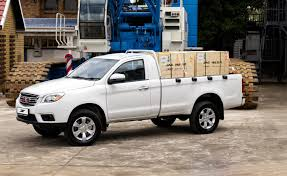
On January 15, JAC Motors introduced the T6 2.0L CTi single-cab bakkie in South Africa, with prices starting at ZAR 299,900. The model marks the right-hand-drive rollout following earlier launches in left-hand-drive markets, reinforcing the company’s global commercial vehicle strategy.
Designed primarily for fleet operators and commercial users, the JAC Motors T6 2.0L CTi single-cab emphasizes fuel efficiency, long-distance capability, and dependable performance in harsh working conditions. Its positioning reflects growing demand for cost-effective, reliable pickups in utility-driven segments.
Powertrain and Efficiency of JAC Motors T6 2.0L CTi
The pickup is powered by the same 2.0-litre turbo-diesel engine first seen on the T8 in 2023. The engine delivers 102 kW of power and 320 Nm of torque, paired with a 6-speed manual transmission tailored for load-carrying duties.
Key efficiency highlights include:
This setup makes the T6 suitable for businesses prioritizing low running costs and minimal downtime.
Chassis, Dimensions, and Payload Capability
The JAC Motors T6 2.0L CTi single-cab is built on a robust ladder-frame chassis engineered for durability. Independent front suspension combined with rear leaf springs enhances stability while carrying heavy loads.
Core specifications include:
These attributes support consistent performance across construction, logistics, and rural applications.
Cabin and Technology Features
Inside, the T6 Lux variant introduces practical comfort and connectivity features. The cabin is equipped with a 9-inch touchscreen infotainment system that includes Bluetooth functionality, supporting hands-free communication and basic media needs for daily commercial use.
Designed primarily for fleet operators and commercial users, the JAC Motors T6 2.0L CTi single-cab emphasizes fuel efficiency, long-distance capability, and dependable performance in harsh working conditions. Its positioning reflects growing demand for cost-effective, reliable pickups in utility-driven segments.
Powertrain and Efficiency of JAC Motors T6 2.0L CTi
The pickup is powered by the same 2.0-litre turbo-diesel engine first seen on the T8 in 2023. The engine delivers 102 kW of power and 320 Nm of torque, paired with a 6-speed manual transmission tailored for load-carrying duties.
Key efficiency highlights include:
- Average fuel consumption of 6.9 L/100 km
- Driving range exceeding 1,100 km
- Large 76-litre fuel tank supporting extended operations
This setup makes the T6 suitable for businesses prioritizing low running costs and minimal downtime.
Chassis, Dimensions, and Payload Capability
The JAC Motors T6 2.0L CTi single-cab is built on a robust ladder-frame chassis engineered for durability. Independent front suspension combined with rear leaf springs enhances stability while carrying heavy loads.
Core specifications include:
- Payload capacity of 1,000 kg
- Ground clearance of 197 mm
- Dimensions: 5,315 mm (L) x 1,830 mm (W) x 1,815 mm (H)
- Wheelbase: 3,090 mm
These attributes support consistent performance across construction, logistics, and rural applications.
Cabin and Technology Features
Inside, the T6 Lux variant introduces practical comfort and connectivity features. The cabin is equipped with a 9-inch touchscreen infotainment system that includes Bluetooth functionality, supporting hands-free communication and basic media needs for daily commercial use.
Company Press Release
Click above to visit the official source.
Discussion
Join the conversation.
Share: