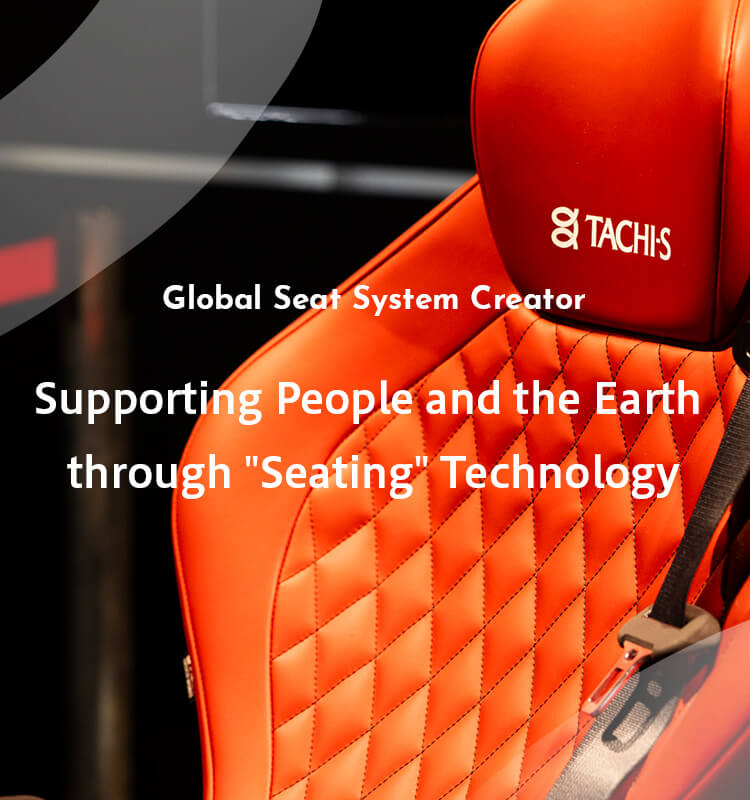
- Tachi-S plans a flexible seat production system deployable near automaker assembly plants.
- The modular manufacturing concept aims to reduce costs, lead time, and support low-volume production.
Tachi-S Co., Ltd. is preparing to introduce a new flexible manufacturing concept designed to transform how vehicle seats are produced and supplied to automakers. The upcoming Tachi-S modular seat production model is expected to be deployed around 2027 and focuses on portable production facilities located directly at or near vehicle assembly plants. This approach aims to reduce logistics complexity, shorten lead times, and support increasingly diverse vehicle production volumes across global markets.
Flexible Seat Manufacturing Close to Automaker Assembly Plants
The Tachi-S modular seat production model is designed as a portable production system that can be installed directly within automakers’ assembly facilities or at nearby sites. By positioning seat manufacturing closer to final vehicle assembly lines, the company expects to significantly reduce transportation costs and manufacturing lead times. The system is also designed to handle smaller production volumes efficiently, allowing automakers to respond more quickly to fluctuations in vehicle demand.
“Moving Circus” Production Concept Enables Rapid Deployment
Tachi-S describes the new concept as a “moving circus type” production model, emphasizing the absence of permanent factory locations. These modular production facilities can be installed quickly and scaled depending on manufacturing requirements. The company has already established a pilot production line at its plant in Japan to validate the technology. Automation in handling and assembly processes will also help reduce workforce requirements as the company prepares for full-scale seat production deployment beginning in 2027.
Click above to visit the official source.
Discussion
Join the conversation.