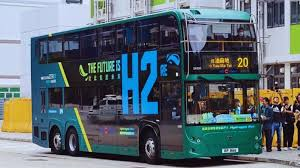
- Ballard Power Systems secured a 500-unit fuel cell engine agreement with New Flyer for hydrogen buses.
- Deliveries beginning in 2026 will support expanding zero-emission transit fleets across North America.
The Ballard Power Systems hydrogen fuel cell bus engines agreement with New Flyer marks a significant step in scaling hydrogen-powered public transit across North America. Announced on March 10, the commercial deal covers the supply of 500 FCmove-HD+ fuel cell engines, representing approximately 50 MW of total capacity and reflecting the largest single order commitment New Flyer has made since the two companies began collaborating on fuel cell mobility solutions.
Major Fuel Cell Engine Order for Hydrogen Bus Deployment
The agreement will see Ballard deliver the 500 FCmove-HD+ proton exchange membrane fuel cell engines beginning in 2026. These systems will power New Flyer’s Xcelsior CHARGE FC hydrogen fuel cell buses operating in transit fleets across North America. The order highlights accelerating demand for hydrogen-based zero-emission transport as transit agencies seek scalable alternatives to conventional diesel-powered buses while maintaining operational range and refueling flexibility.
Long-Term Partnership Expands Zero-Emission Mobility
New Flyer emphasized that the latest agreement strengthens a partnership that has already delivered hydrogen fuel cell buses to multiple regions over the past decade. According to the company, increasing market demand for fuel cell buses is driving continued investment in hydrogen-powered fleets. Ballard’s PEM fuel cell technology supports electrification across buses, trucks, trains, marine vessels, and stationary power systems, with more than 2,200 fuel cell buses worldwide currently operating using its propulsion solutions.
Click above to visit the official source.
Discussion
Join the conversation.