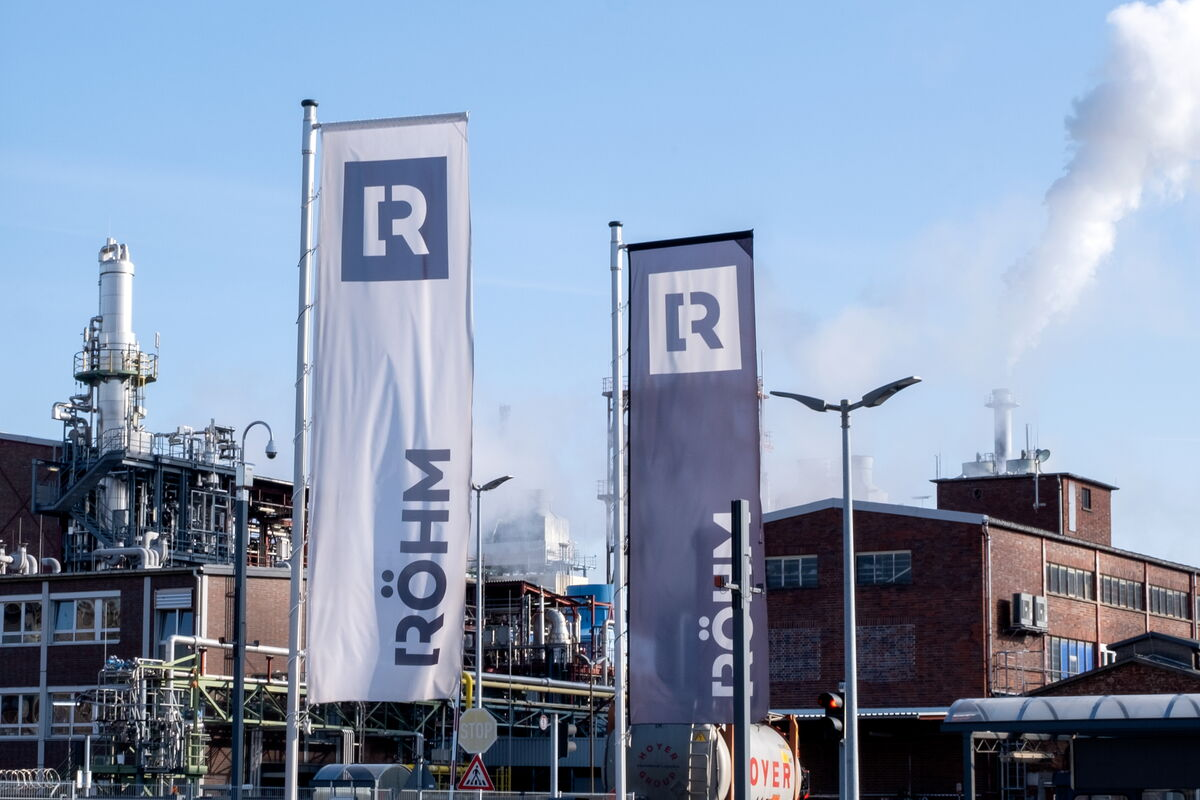
- Röhm GmbH states current Middle East developments have not disrupted its global supply operations.
- The company continues close coordination with suppliers, partners, and customers worldwide.
Röhm GmbH Middle East supply monitoring intensified on March 5 after the German chemicals manufacturer assessed the latest geopolitical escalation in the region. The company stated that it is carefully observing developments and maintaining ongoing communication with suppliers and partners. According to the company, its globally diversified network allows operations to continue normally while ensuring stable supply conditions for customers across multiple industrial sectors.
Global network supports operational continuity
Röhm confirmed that it maintains a strong and resilient international supply network covering multiple regions. Based on the company’s current evaluation, no immediate risks to supply security have been identified. Röhm remains in close coordination with customers and partners while continuing operations in all markets. The German chemicals producer supplies materials used in automotive, construction, and medical technology industries worldwide.
Customer coordination remains ongoing
The company emphasized that regular communication with customers remains a priority as regional developments evolve. Röhm stated that its teams are actively monitoring the situation while ensuring production and logistics activities continue without disruption. With diversified global operations and supplier relationships, the company indicated it is well positioned to maintain stability and deliver products to industrial customers across international markets.
Click above to visit the official source.
Discussion
Join the conversation.