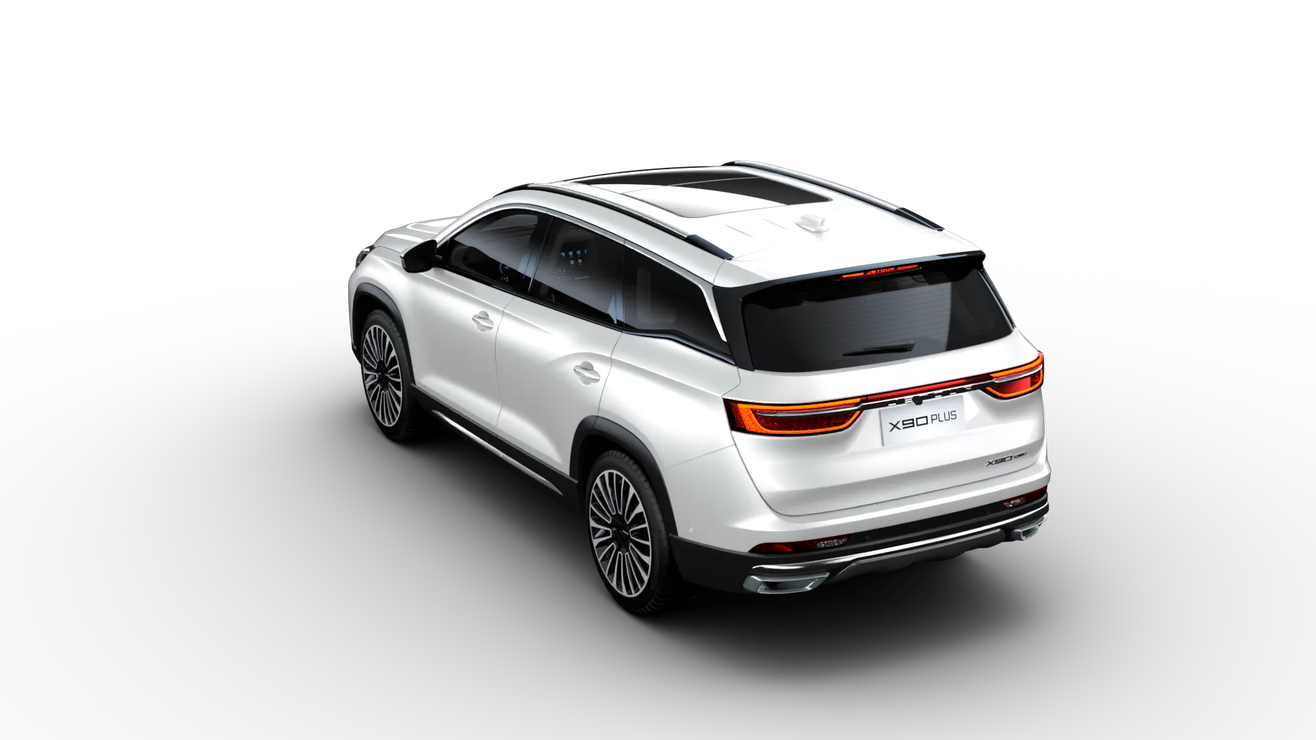
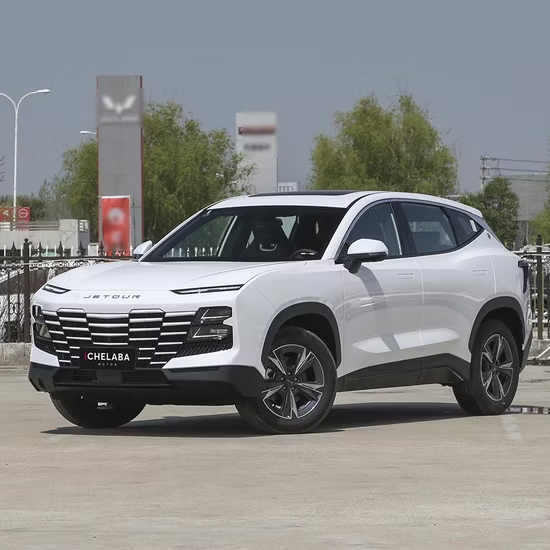
- Jetour introduced a new Luxe trim of the X90+ SUV with AWD and a 2.0T engine.
- The new variant starts at RUB 3,999,000 and delivers 245 hp with 375 Nm torque.
The Jetour X90+ Luxe AWD has officially entered the market as the latest expansion of the brand’s SUV lineup. Announced on March 11, the new trim introduces a more capable configuration for the X90+ range by combining a 2.0-liter turbocharged gasoline engine with an eight-speed automatic transmission and an all-wheel-drive system. The newly launched version is positioned as a premium offering and starts at a price of RUB 3,999,000.
Jetour Expands X90+ Lineup with New Luxe Trim
The introduction of the Luxe trim strengthens Jetour’s positioning in the mid-size SUV segment by adding a higher-performance configuration to the X90+ portfolio. The vehicle integrates a turbocharged powertrain with an advanced automatic gearbox to improve overall driving dynamics and traction. With the addition of all-wheel drive, the new variant is designed to provide better stability across different road conditions while offering buyers a more refined and capable version of the existing SUV platform.
Powertrain and Performance Specifications
The updated SUV is powered by a 2.0-liter turbocharged gasoline engine paired with an eight-speed automatic transmission. This powertrain configuration delivers a maximum output of 245 horsepower and produces 375 Nm of torque at 5,500 rpm. The drivetrain is engineered to balance performance and efficiency while enabling improved acceleration and traction through the AWD system. Key specifications of the newly introduced Luxe variant are summarized below.
| Specification | Details |
|---|---|
| Engine | 2.0-liter turbocharged gasoline |
| Transmission | 8-speed automatic |
| Power Output | 245 hp |
| Torque | 375 Nm at 5,500 rpm |
| Starting Price | RUB 3,999,000 |
The launch highlights the manufacturer’s strategy to broaden its SUV offering with more powerful and feature-rich variants aimed at customers seeking improved performance and drivetrain capability in the premium trim segment.
Click above to visit the official source.
Discussion
Join the conversation.