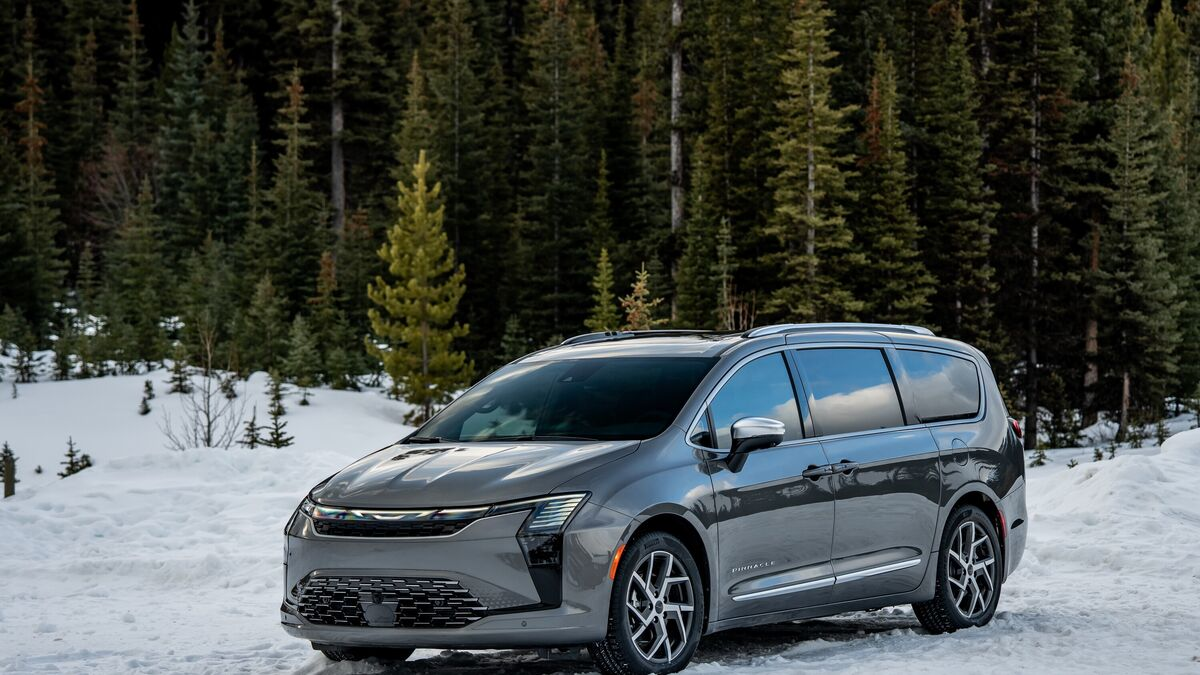
- Chrysler has opened orders for the refreshed 2027 Pacifica minivan with updated design and technology packages.
- The new LX trim introduces a more affordable entry point while retaining key family-focused features.
Orders have officially opened for the refreshed Chrysler Pacifica 2027 minivan, introducing design upgrades, expanded technology features and a new entry-level trim aimed at broadening the model’s appeal. Production of the updated minivan continues in Windsor, Canada, with vehicles expected to reach dealerships across the United States in the summer. The model begins at USD 41,495 with the newly introduced LX variant, while higher trims gain distinctive exterior updates and additional advanced safety capabilities.
New LX Trim Expands Accessibility and Core Features
The Chrysler Pacifica lineup now includes the LX trim as its base configuration, replacing the previously marketed Voyager variant while maintaining a recognizable design language. Positioned as a value-oriented option, the LX trim retains practical family-focused equipment such as power sliding doors and heated front seats along with a heated steering wheel. By maintaining these convenience features while offering a more accessible entry price, the Pacifica range continues to target households seeking versatile passenger capacity and everyday usability in a minivan platform.
Design and Safety Enhancements Across Higher Trims
Higher trims including Select, Limited and Pinnacle receive more noticeable styling upgrades, highlighted by a redesigned front fascia featuring vertical LED headlamps and an illuminated grille with a distinct lighting signature. A refreshed wing logo and rear liftgate applique further differentiate the updated design. The minivan also expands its Safety Sphere package, introducing Turn Signal-activated Blind Spot View and ParkSense-based camera activation. These additions complement family-oriented features such as Stow ‘n Go seating, multi-row passenger capacity and integrated cabin monitoring technology designed to improve convenience and safety.
Click above to visit the official source.
Discussion
Join the conversation.