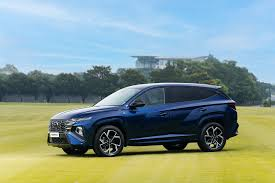
- Hyundai Thanh Cong Vietnam reported 3,080 vehicle deliveries in February 2026 despite seasonal holiday slowdown.
- Hyundai Creta remained the top-selling model while the company expects demand recovery from March.
Hyundai Thanh Cong Vietnam February 2026 sales reached 3,080 vehicles, reflecting a modest year-over-year increase despite seasonal market softness. Announced on March 5, 2026, the results highlight stable demand during a month typically affected by extended Lunar New Year holidays. The company maintained steady distribution across its nationwide dealer network while implementing flexible sales policies and maintaining service standards to support customers during the slower post-holiday market period.
Model Performance and Monthly Sales Breakdown
The sales mix in February showed strong demand for Hyundai’s core passenger models in Vietnam. The Hyundai Creta led the lineup with 645 units delivered, followed closely by the Hyundai Tucson with 614 units. The Hyundai Accent recorded 273 units, while other models included the Grand i10 with 173 units, Stargazer with 147 units, Santa Fe with 123 units, Venue with 106 units, Custin with 73 units, Palisade with 68 units, and Elantra with 31 units. Additional models contributed five units, while the company also sold 822 commercial vehicles during the month.
Impact of Lunar New Year Market Dynamics
Hyundai Thanh Cong Vietnam noted that February traditionally experiences a slowdown after strong purchasing activity before the Tet holiday period. The extended Lunar New Year celebrations temporarily reduce dealership activity and consumer purchasing decisions across Vietnam’s automotive sector. Despite these seasonal conditions, the company maintained stable sales performance through adaptive pricing strategies, promotional campaigns, and consistent customer service support across its nationwide network.
Market Outlook for March and Beyond
Hyundai Thanh Cong Vietnam expects automotive demand to gradually strengthen from March 2026 as production schedules stabilize and consumer activity returns to normal levels. The company plans to support market recovery through promotional programs, financial support packages, and enhanced customer service initiatives across dealerships. With improving market conditions expected after the holiday period, the automaker anticipates stronger showroom traffic and a rebound in vehicle deliveries in the coming months.
Click above to visit the official source.
Discussion
Join the conversation.