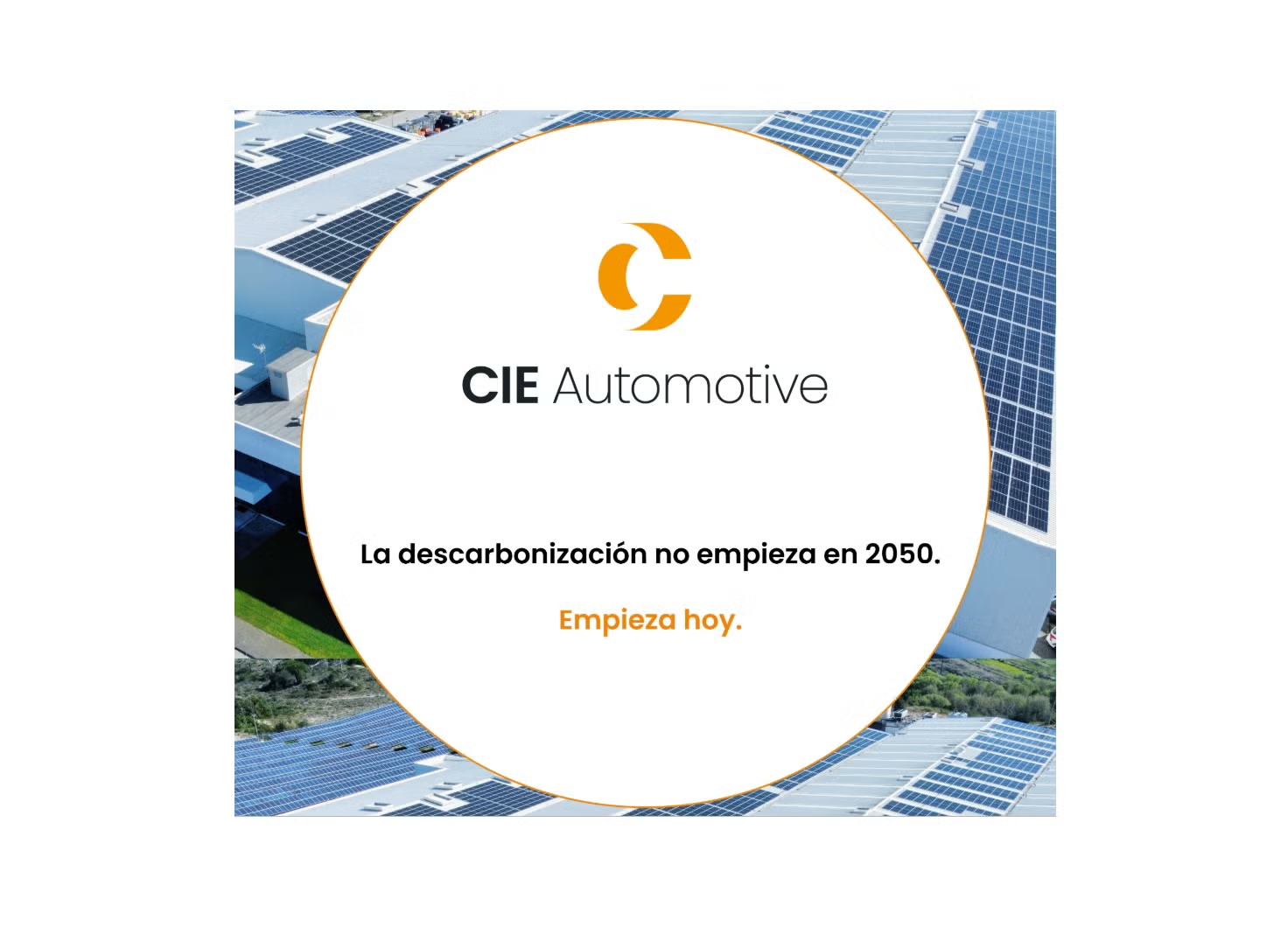
- CIE Automotive decarbonization plan gains European Investment Bank advisory support to accelerate emission reduction.
- The strategy targets carbon neutrality by 2050 through renewable electricity, low-carbon technologies, and energy efficiency upgrades.
The CIE Automotive decarbonization plan has received advisory support from the European Investment Bank, reinforcing the company’s commitment to lowering greenhouse gas emissions across its operations and supply network. As one of the first automotive manufacturers to benefit from this initiative, CIE Automotive strengthens its structured approach to long-term climate action. The collaboration highlights a growing alignment between industrial transformation and European climate financing mechanisms aimed at accelerating sustainable manufacturing.
European Investment Bank Advisory Framework
The advisory services backing the CIE Automotive decarbonization plan were delivered under the Programme to Support Climate Action and Sustainability for Corporates. This initiative operates through the InvestEU Advisory Hub and is designed to help companies refine emission reduction strategies and align investments with climate targets.
Strategic Assessment and Climate Alignment
As part of the engagement, the European Investment Bank conducted a detailed assessment of the CIE Automotive decarbonization plan. The evaluation focused on measurable greenhouse gas emissions reduction pathways, operational efficiency, and capital allocation strategies to ensure long-term environmental and financial sustainability.
Pathway Toward Carbon Neutrality by 2050
The CIE Automotive decarbonization plan outlines a structured roadmap toward carbon neutrality by 2050. It defines emission reduction objectives across production facilities and the broader supply chain, reinforcing accountability at every stage of the manufacturing process.
Investment Priorities and Technology Shifts
To achieve its targets, the CIE Automotive decarbonization plan identifies concrete investment opportunities. These include energy efficiency upgrades, the deployment of low-carbon technologies, renewable electricity procurement, and the adoption of electric furnaces. The sourcing of low-carbon materials is also a central pillar, supporting deeper decarbonization within upstream value chains.
Manufacturing Transformation and Supply Chain Impact
Beyond operational improvements, the CIE Automotive decarbonization plan integrates sustainability into supplier engagement and procurement decisions. By addressing emissions throughout its business activities and supply network, the company strengthens resilience against regulatory changes and evolving sustainability standards in global automotive markets.
Through structured advisory guidance and clearly defined investments, the CIE Automotive decarbonization plan positions the company to accelerate emission reductions while advancing toward its long-term carbon neutrality objectives.
Click above to visit the official source.