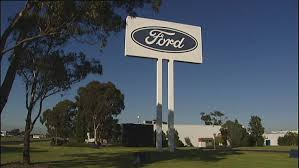
- Ford warns Australia’s engineering hub may close if cost and regulatory pressures remain unresolved.
- Discussions with government officials will focus on emissions rules and competitiveness.
The Ford engineering operation Australia has come under scrutiny after CEO Jim Farley warned that rising costs and strict regulatory requirements could threaten the future of the company’s engineering presence in the country.
Speaking in Melbourne on March 6 ahead of the Australian Grand Prix, Farley highlighted the economic pressures faced by the company’s local development hub. The facility in Campbellfield, Victoria employs more than 1,500 designers and engineers responsible for developing vehicles sold in markets around the world.
Global Engineering Hub Under Cost Pressure
The engineering team in Australia contributes to key global models, including the Ranger pickup sold in over 180 markets and the Everest SUV manufactured in China. Despite its strategic importance, Farley emphasized that operating engineering programs in Australia is significantly more expensive than in competing locations.
According to the company’s leadership, maintaining competitiveness requires balancing development speed with cost efficiency. Countries such as China and Vietnam offer lower operational expenses, creating pressure for global automakers when allocating engineering resources.
Government Policy and Industry Competitiveness
Farley stated that policymakers must determine whether they want to support the continued presence of large-scale automotive engineering activities in Australia. Without measures to offset cost differences, multinational manufacturers may reconsider long-term investment decisions.
Debate Over Vehicle Emissions Regulations
Following the Grand Prix event, Farley is expected to meet senior Australian government officials to discuss concerns about the New Vehicle Efficiency Standard (NVES). The regulation imposes penalties on manufacturers selling higher-emission vehicles such as diesel-powered and off-road sport utility vehicles.
Executives argue that the policy is too aggressive in its current form and may create unintended consequences for companies operating in the country. The future of the Ford engineering operation Australia will depend heavily on how regulatory frameworks evolve and whether cost competitiveness can be improved.
Click above to visit the official source.
Discussion
Join the conversation.