
Quick Takeaways
- Updated Skoda Kushaq India launch brings new design, technology, and safety upgrades.
- The refreshed Skoda SUV strengthens its position in the compact SUV segment with advanced powertrain and premium features.
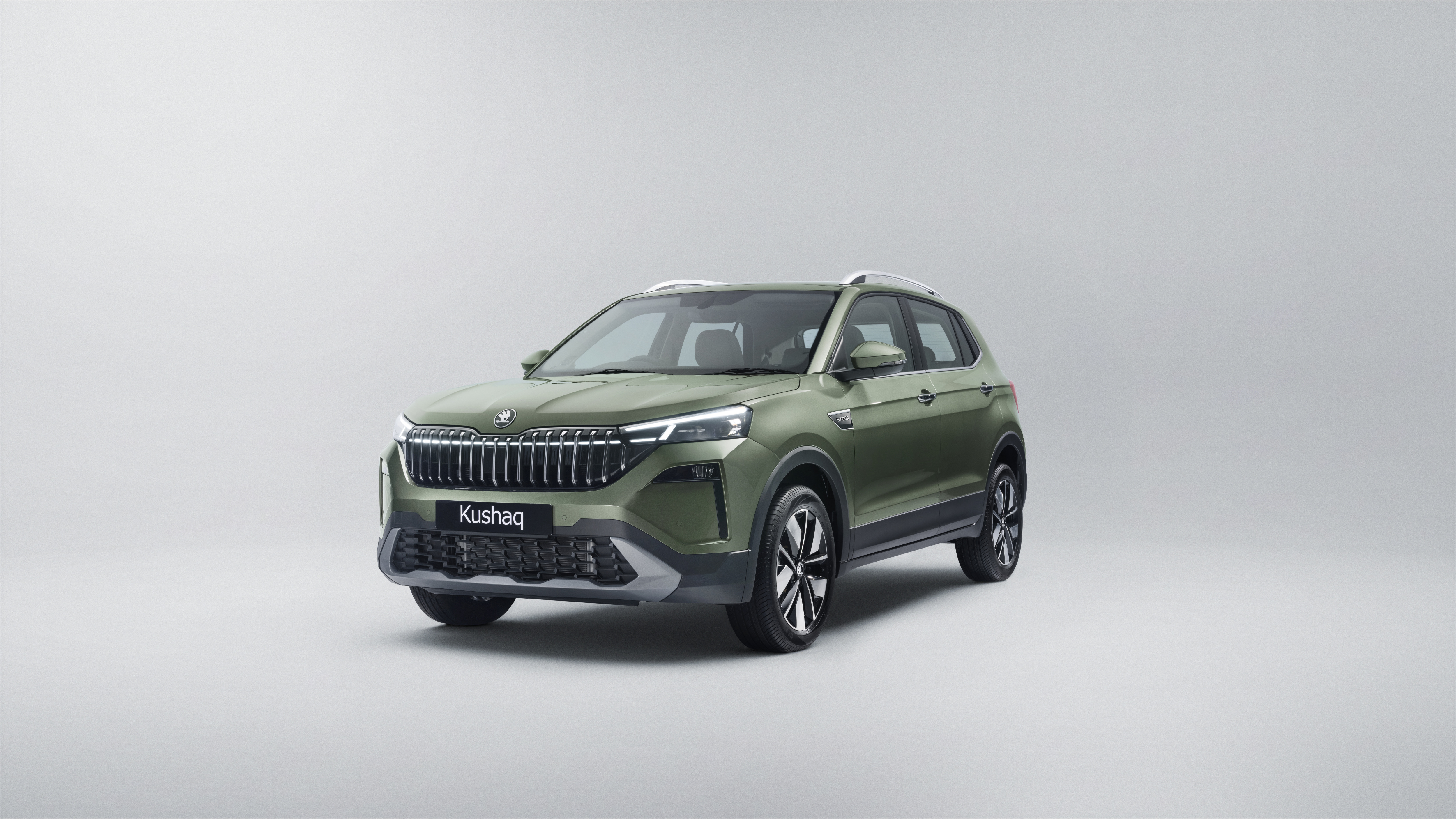
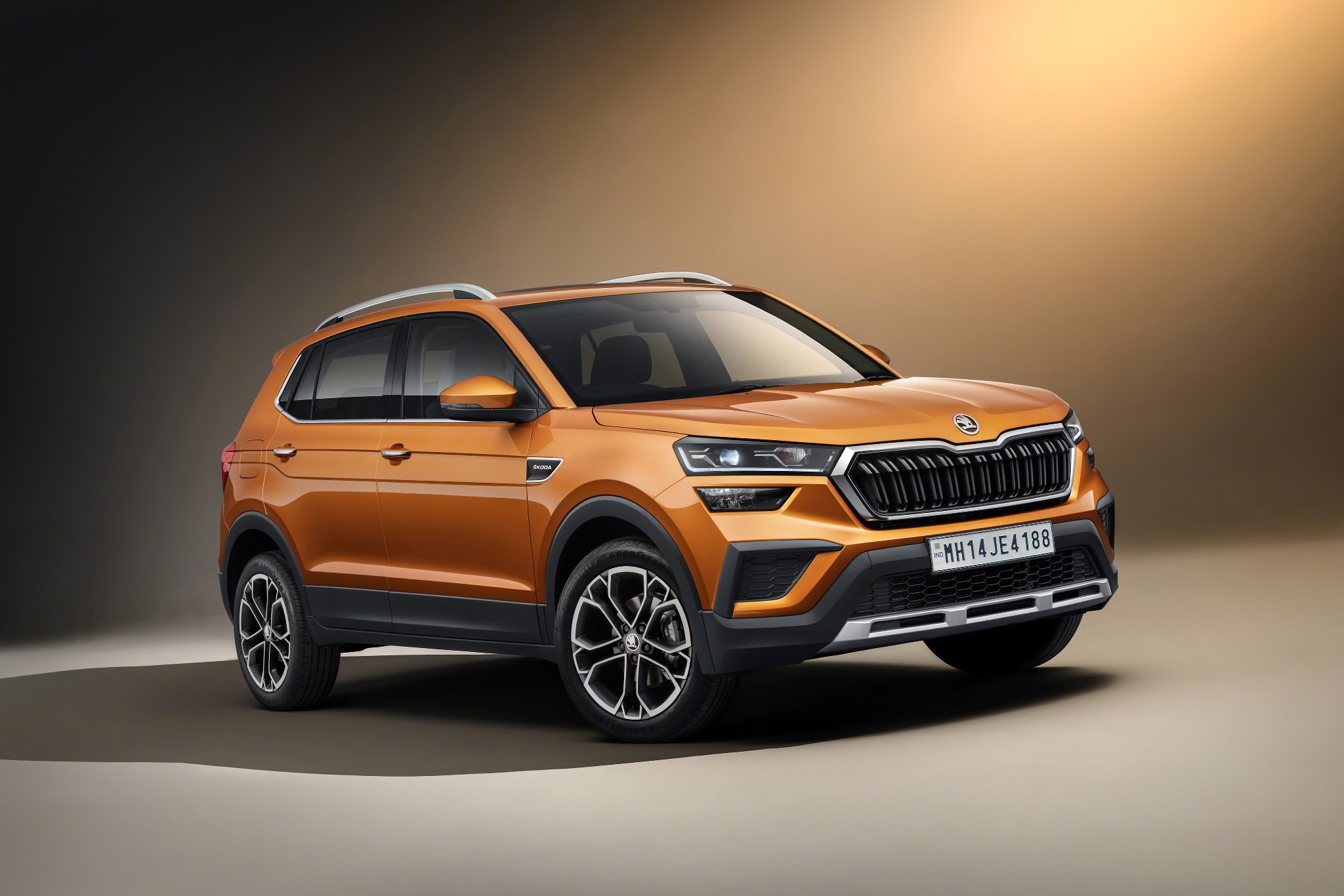
On January 20, Skoda Auto introduced the updated Kushaq in India, expanding its compact SUV portfolio with notable enhancements in design, technology, and safety. The refreshed model focuses on delivering a more premium driving experience while retaining the performance and practicality that define the Kushaq in the Indian market.
Powertrain options in the updated Skoda Kushaq India launch
The updated Skoda Kushaq India launch adds a new eight-speed automatic transmission paired with the 1.0 TSI engine. This powertrain delivers an output of 85 kW and 178 Nm of torque, offering smoother gear shifts and improved driving comfort. The same engine continues to be available with a six-speed manual transmission.
For customers seeking higher performance, the 1.5 TSI engine produces 110 kW and 250 Nm of torque and is mated to a seven-speed DSG automatic transmission, maintaining a balance between efficiency and strong on-road performance.
Exterior updates and new variant availability
The exterior design receives Modern Solid design elements that refresh the SUV’s visual identity. Key updates include:
For the first time, the Monte Carlo variant is available from launch, adding a sportier styling option to the updated Skoda Kushaq lineup.
Interior technology and comfort enhancements
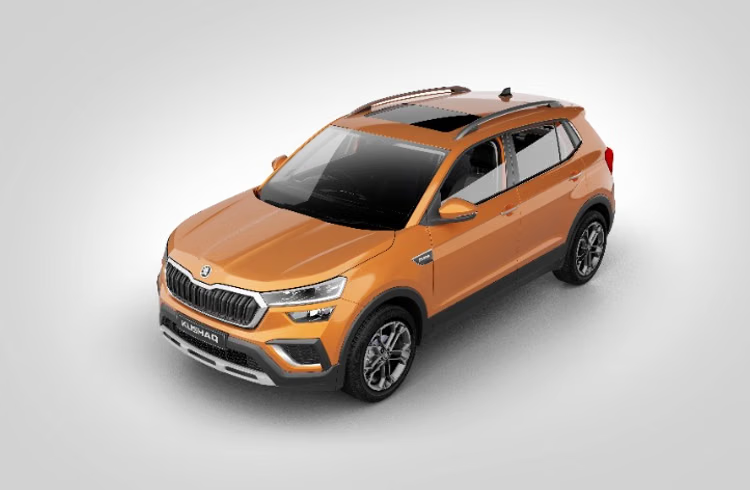
Inside the cabin, the updated model introduces several premium features aimed at comfort and connectivity. Highlights include a panoramic sunroof, dual-colour ambient lighting, and ventilated electric front seats. A new 10.1-inch touchscreen infotainment system is integrated with a Google-powered voice assistant, enabled by Google Automotive AI with Gemini built in, enhancing user interaction and in-car functionality.
Safety standards in the updated Skoda Kushaq India launch
Safety remains a core focus in the updated Skoda Kushaq India launch. The SUV meets five-star Global NCAP safety standards and comes equipped with more than 25 safety features as standard. Higher variants further enhance occupant protection by offering over 40 safety features, reinforcing Skoda Auto’s emphasis on safety across its product range.
Powertrain options in the updated Skoda Kushaq India launch
The updated Skoda Kushaq India launch adds a new eight-speed automatic transmission paired with the 1.0 TSI engine. This powertrain delivers an output of 85 kW and 178 Nm of torque, offering smoother gear shifts and improved driving comfort. The same engine continues to be available with a six-speed manual transmission.
For customers seeking higher performance, the 1.5 TSI engine produces 110 kW and 250 Nm of torque and is mated to a seven-speed DSG automatic transmission, maintaining a balance between efficiency and strong on-road performance.
Exterior updates and new variant availability
The exterior design receives Modern Solid design elements that refresh the SUV’s visual identity. Key updates include:
- A redesigned front grille
- An illuminated light band at the front
- Connected rear taillights
- Illuminated Skoda lettering at the rear
For the first time, the Monte Carlo variant is available from launch, adding a sportier styling option to the updated Skoda Kushaq lineup.
Interior technology and comfort enhancements
Inside the cabin, the updated model introduces several premium features aimed at comfort and connectivity. Highlights include a panoramic sunroof, dual-colour ambient lighting, and ventilated electric front seats. A new 10.1-inch touchscreen infotainment system is integrated with a Google-powered voice assistant, enabled by Google Automotive AI with Gemini built in, enhancing user interaction and in-car functionality.
Safety standards in the updated Skoda Kushaq India launch
Safety remains a core focus in the updated Skoda Kushaq India launch. The SUV meets five-star Global NCAP safety standards and comes equipped with more than 25 safety features as standard. Higher variants further enhance occupant protection by offering over 40 safety features, reinforcing Skoda Auto’s emphasis on safety across its product range.
Company Press Release
Click above to visit the official source.
Discussion
Join the conversation.
Share: