Quick Takeaways
- Mercedes-Benz Trucks DHL Brazil fleet expansion strengthens logistics efficiency.
- The deal highlights DHL’s focus on fuel efficiency, emissions reduction, and total cost of ownership.
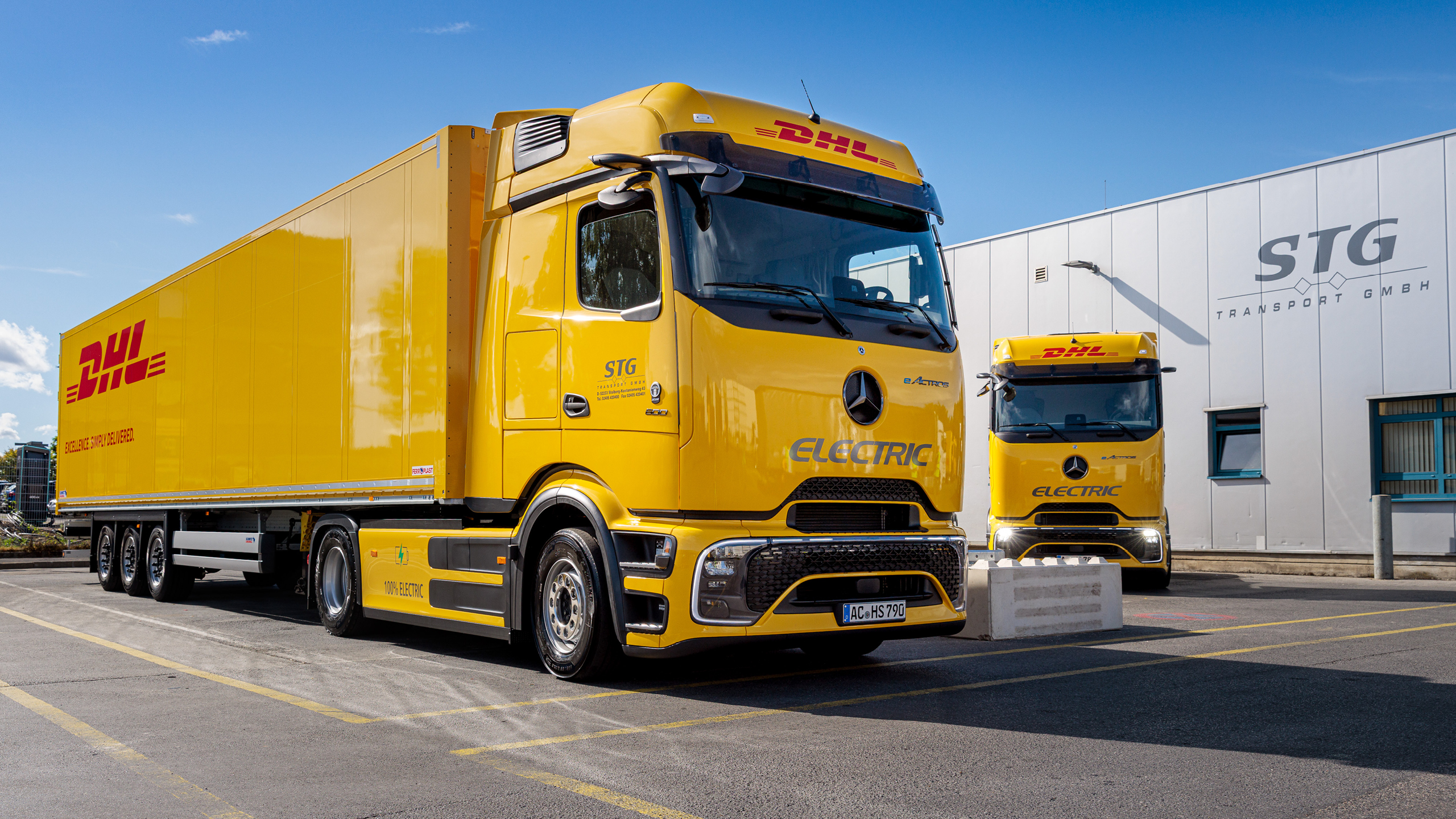
On January 19, Mercedes-Benz Trucks and Buses Brazil confirmed that DHL Supply Chain will add 25 Actros 2045 heavy-duty tractor units to its operations. The move marks another step in strengthening the Mercedes-Benz Trucks DHL Brazil fleet, aligned with the logistics provider’s long-term fleet optimization strategy.
Alongside the new Actros tractors, DHL also refreshed its fleet in 2025 with additional medium- and light-duty vehicles. This renewal included 40 Atego 2429 6x2 trucks and 10 Accelo 1117 units, reinforcing capacity across multiple logistics applications while maintaining operational consistency.
The newly supplied Atego trucks rolled out of the factory in December already finished in DHL’s signature yellow livery. This detail reflects close coordination between manufacturer and customer, enabling faster deployment and seamless integration into DHL’s existing operations.
Mercedes-Benz Trucks DHL Brazil fleet standardization benefits
DHL highlighted that standardizing a significant portion of its fleet with Mercedes-Benz trucks delivers clear operational advantages. According to the company, this approach improves efficiency while leveraging Euro 6 BlueTec 6 technology, which supports better fuel consumption and reduced exhaust emissions across daily logistics activities.
Key benefits cited by DHL include:
Mercedes-Benz perspective on DHL fleet selection
Mercedes-Benz emphasized that DHL’s decision underlines confidence in the brand’s core strengths. The company noted that reliability, efficiency, and competitive total cost of ownership are critical factors for demanding, high-value logistics operations, making the Mercedes-Benz Trucks DHL Brazil fleet a strong fit for long-term commercial performance.
Alongside the new Actros tractors, DHL also refreshed its fleet in 2025 with additional medium- and light-duty vehicles. This renewal included 40 Atego 2429 6x2 trucks and 10 Accelo 1117 units, reinforcing capacity across multiple logistics applications while maintaining operational consistency.
The newly supplied Atego trucks rolled out of the factory in December already finished in DHL’s signature yellow livery. This detail reflects close coordination between manufacturer and customer, enabling faster deployment and seamless integration into DHL’s existing operations.
Mercedes-Benz Trucks DHL Brazil fleet standardization benefits
DHL highlighted that standardizing a significant portion of its fleet with Mercedes-Benz trucks delivers clear operational advantages. According to the company, this approach improves efficiency while leveraging Euro 6 BlueTec 6 technology, which supports better fuel consumption and reduced exhaust emissions across daily logistics activities.
Key benefits cited by DHL include:
- Improved fuel economy through advanced powertrain technology
- Lower emissions supporting sustainability goals
- Simplified fleet management through brand and model standardization
Mercedes-Benz perspective on DHL fleet selection
Mercedes-Benz emphasized that DHL’s decision underlines confidence in the brand’s core strengths. The company noted that reliability, efficiency, and competitive total cost of ownership are critical factors for demanding, high-value logistics operations, making the Mercedes-Benz Trucks DHL Brazil fleet a strong fit for long-term commercial performance.
Company Press Release
Click above to visit the official source.
Discussion
Join the conversation.
Share: