Quick Takeaways
- BYD DENZA Philippines launch strengthens BYD’s push into the country’s premium electric vehicle space.
- The entry highlights advanced technology, premium positioning, and expanded dealership reach.
On January 19, 2026, BYD’s premium electric vehicle brand DENZA confirmed its entry into the Philippine market through BYD Philippines Corp, signaling a strategic expansion beyond mass-market electric mobility and into the high-end vehicle segment with a strong focus on technology-led differentiation.
Q1 2026 launch plans and dealership footprint
The BYD DENZA Philippines launch is expected to begin in the first quarter of 2026, when the brand will officially unveil its initial lineup. Vehicles will be offered through existing BYD dealerships located in Makati, Alabang, Greenhills, and Cebu, ensuring early access across key urban and regional markets.
Advanced technology positioning under BYD DENZA Philippines launch
DENZA plans to position itself as a technology-forward premium brand by highlighting proprietary systems designed to enhance ride comfort, stability, and vehicle intelligence. Key technologies expected to be showcased include:
First model focus and competitive landscape
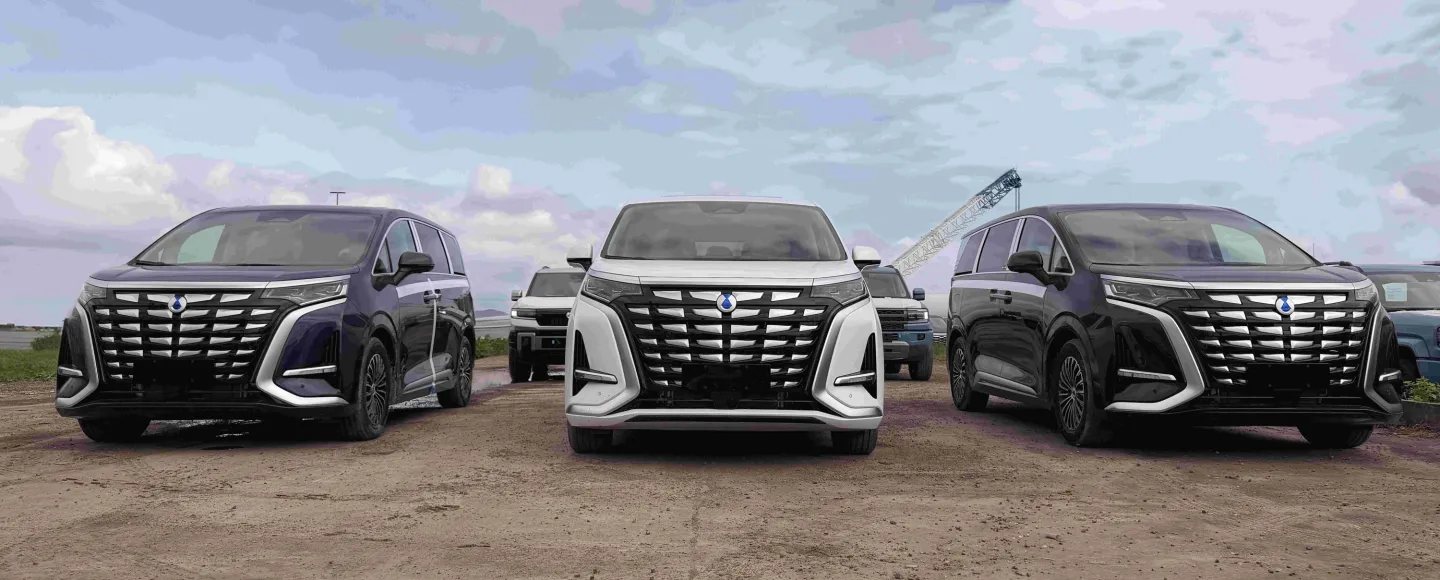
The first model expected under the BYD DENZA Philippines launch is the D9 DM-i plug-in hybrid minivan. The model is positioned to compete directly with established premium people movers such as the Toyota Alphard and the Kia Carnival Turbo Hybrid, targeting buyers seeking a balance of luxury, efficiency, and advanced electrified powertrains.
With this entry, DENZA is set to broaden BYD’s footprint in the Philippine automotive market by addressing growing demand for premium electrified vehicles while leveraging BYD’s existing retail and service network.
Q1 2026 launch plans and dealership footprint
The BYD DENZA Philippines launch is expected to begin in the first quarter of 2026, when the brand will officially unveil its initial lineup. Vehicles will be offered through existing BYD dealerships located in Makati, Alabang, Greenhills, and Cebu, ensuring early access across key urban and regional markets.
Advanced technology positioning under BYD DENZA Philippines launch
DENZA plans to position itself as a technology-forward premium brand by highlighting proprietary systems designed to enhance ride comfort, stability, and vehicle intelligence. Key technologies expected to be showcased include:
- DiSus smart damping system for adaptive ride control
- e3 vehicle control platform for integrated vehicle dynamics management
First model focus and competitive landscape
The first model expected under the BYD DENZA Philippines launch is the D9 DM-i plug-in hybrid minivan. The model is positioned to compete directly with established premium people movers such as the Toyota Alphard and the Kia Carnival Turbo Hybrid, targeting buyers seeking a balance of luxury, efficiency, and advanced electrified powertrains.
With this entry, DENZA is set to broaden BYD’s footprint in the Philippine automotive market by addressing growing demand for premium electrified vehicles while leveraging BYD’s existing retail and service network.
Company Press Release
Click above to visit the official source.
Discussion
Join the conversation.
Share: