- GAC AION Ray 7 offers up to 702 km range
- Five variants launched with prices starting at CNY 123,800
- Huawei DriveONE system delivers 180 kW maximum power
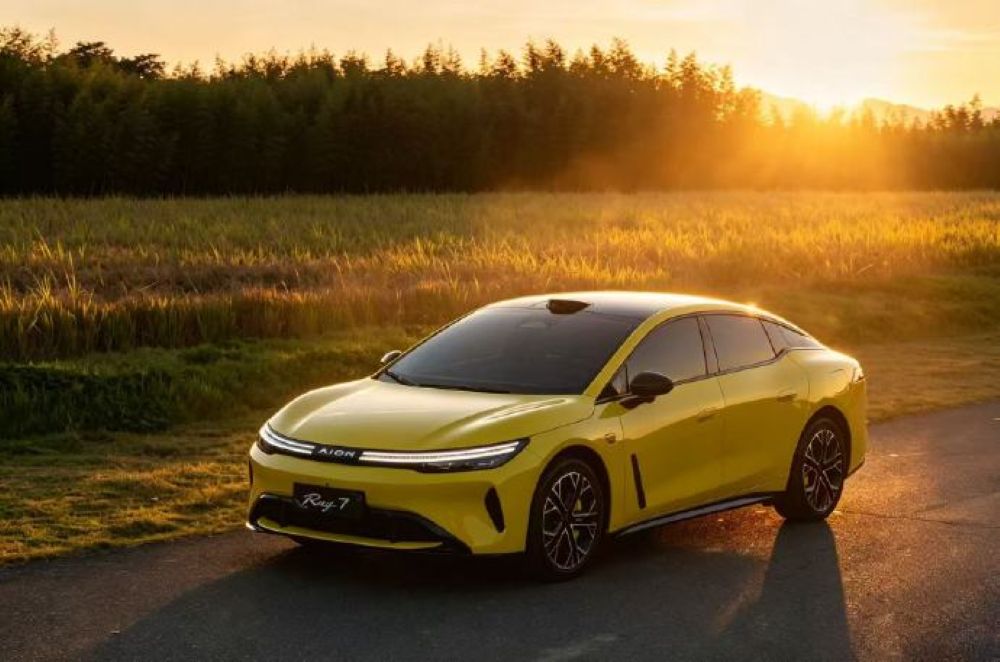
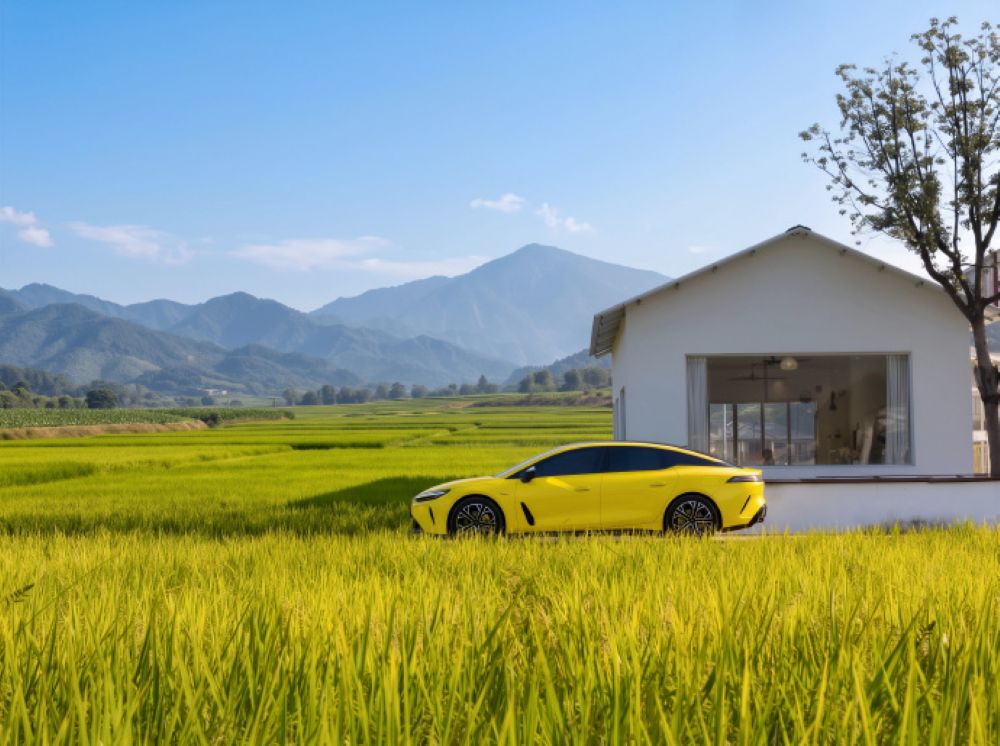
GAC AION New Energy Automobile Co., Ltd. (GAC AION) announced on November 12 the official launch of its new Ray 7 mid-to-large battery-electric sedan, a model developed with younger consumers in mind. The electric sedan is available in five variants, with prices ranging from CNY 123,800 to CNY 153,800. Limited-time promotional prices reduce the range to CNY 114,700–144,700. The launch expands GAC AION's electric sedan portfolio with a model combining rear-wheel-drive architecture, multiple battery configurations, advanced in-vehicle technology, and intelligent driver assistance features.
The Ray 7 measures 4,960 mm in length, 1,900 mm in width, and 1,455 mm in height, with a wheelbase of 2,920 mm. Its exterior dimensions place it in the mid-to-large sedan category, while the extended wheelbase forms part of its overall vehicle packaging. The model adopts a rear-motor, rear-wheel-drive (RWD) configuration, distinguishing its propulsion layout within the vehicle's technical specification. Its powertrain combines an electric motor and integrated drive technology supplied by Huawei, with battery options sourced from two different manufacturers.
The sedan uses Huawei's DriveONE multi-in-one electric drive system, incorporating an AC permanent magnet synchronous motor. The motor produces a maximum power output of 180 kW and peak torque of 235 Nm. The Ray 7 has a maximum speed of 180 km/h and can accelerate from 0 to 100 km/h in either 7.4 or 6.9 seconds, depending on the variant. These specifications provide two distinct acceleration configurations within the model range while retaining the same stated maximum motor power and peak torque.
Battery configurations include a 45.58-kWh lithium iron phosphate (LFP) battery supplied by IMPOW Battery Technology Co., Ltd. (IMPOW Battery) and a larger 62.98-kWh LFP battery supplied by Contemporary Amperex Technology Co., Ltd. (CATL). Depending on the configuration, the sedan delivers a China Light-Duty Vehicle Test Cycle (CLTC) electric-mode driving range of 530–702 km. Its CLTC combined energy consumption is rated at 9.7–11.7 kWh/100 km. The vehicle also supports DC fast charging, with the battery state of charge (SoC) increasing from 30% to 80% in either 22 or 21 minutes.
The Ray 7's standard cockpit equipment includes an 8.8-inch full LCD instrument cluster and a 15.6-inch 2.5K central touchscreen. Its computing and software package incorporates a Qualcomm Snapdragon 8295P chip, the ADiGO 7.0 human-machine interaction system, and DeepSeek's large AI model. These technologies form the foundation of the sedan's digital cockpit and intelligent interaction capabilities. The combination of a dedicated high-performance cockpit processor, large central display, and AI-based system is intended to support the vehicle's connected and interactive in-car experience.
For intelligent driving assistance, the Ray 7 comes standard with GAC's GSD advanced driver assistance system. Selected variants additionally incorporate advanced driver assistance algorithms derived from L4 autonomous driving technology developed by WeRide Inc. (WeRide). These configurations feature 27 intelligent sensing devices, including one 192-line semi-solid-state LiDAR and 11 high-definition cameras. The sensor package supports the vehicle's more advanced perception and driver assistance functions, although the availability of the additional equipment and algorithms is limited to certain variants rather than the entire lineup.
Supported driver assistance functions include urban and highway Navigation on Autopilot (NOA), lane centering control (LCC), and automated valet parking (AVP) assistance. These capabilities extend the Ray 7's intelligent driving feature set beyond its standard GSD system on the applicable configurations. The integration of technology derived from WeRide's L4 autonomous driving development also highlights the role of external technology partnerships in the vehicle's advanced assistance architecture. The available specifications distinguish between the standard equipment and the additional sensing hardware and algorithms offered on selected versions.
Main Competitors
The Ray 7 competes with models including the Xiaomi SU7, XPeng P7 series, and Shangjie Z7. These vehicles generally emphasize sporty styling, intelligent cockpit technologies, and advanced driver assistance systems. Their target customers include younger consumers interested in technology-oriented features, vehicle performance, and personalized driving experiences. Within this competitive segment, the Ray 7 combines a rear-wheel-drive electric powertrain, a choice of LFP battery capacities, a CLTC driving range of up to 702 km, and an extensive intelligent cockpit and driver assistance package.
GAC AION's announcement and published vehicle information provide the basis for the Ray 7's launch details and equipment specifications. The model's five-variant lineup offers different price points and technical configurations, including battery options from IMPOW Battery and CATL. Its combination of Huawei's electric drive technology, Qualcomm-based cockpit computing, DeepSeek AI integration, and selected WeRide-derived driver assistance technology represents the vehicle's principal technology proposition.
Industry Impact & Outlook
The Ray 7's launch illustrates how competition in China's mid-to-large electric sedan segment increasingly combines driving range, powertrain integration, digital cockpit functionality, and advanced driver assistance equipment. Its five-variant structure, two LFP battery options, and promotional pricing provide different purchasing configurations within a single model lineup. The involvement of Huawei, CATL, IMPOW Battery, Qualcomm, DeepSeek, and WeRide also demonstrates the multiple technology suppliers contributing to its vehicle architecture. However, the extent to which these features translate into market performance will depend on consumer response and the model's competitive position against established alternatives such as the Xiaomi SU7 and XPeng P7 series.
Frequently Asked Questions
1. What is the price of the GAC AION Ray 7?
The GAC AION Ray 7 is available in five variants, with regular prices ranging from CNY 123,800 to CNY 153,800. The company has also announced limited-time promotional prices ranging from CNY 114,700 to CNY 144,700. The promotional pricing reduces the entry cost compared with the regular listed prices. The announced price range covers the different configurations in the Ray 7 lineup, which include alternative battery capacities and varying acceleration and driver assistance specifications.
2. What is the driving range of the GAC AION Ray 7?
The GAC AION Ray 7 offers a CLTC electric-mode driving range of 530–702 km, depending on its battery configuration. Buyers can choose between a 45.58-kWh LFP battery supplied by IMPOW Battery and a 62.98-kWh LFP battery supplied by CATL. The larger battery configuration is associated with the upper end of the announced range. GAC AION also lists CLTC combined energy consumption of 9.7–11.7 kWh/100 km across the available configurations.
3. What electric motor and powertrain does the Ray 7 use?
The Ray 7 uses a rear-motor, rear-wheel-drive layout with Huawei's DriveONE multi-in-one electric drive system. Its AC permanent magnet synchronous motor delivers a maximum power output of 180 kW and peak torque of 235 Nm. The sedan has a top speed of 180 km/h. Depending on the variant, acceleration from 0 to 100 km/h takes either 7.4 or 6.9 seconds. These specifications define the model's propulsion and performance configuration across its five-variant lineup.
4. Which battery suppliers provide batteries for the GAC AION Ray 7?
The GAC AION Ray 7 offers LFP battery packs from two suppliers: IMPOW Battery Technology Co., Ltd. and Contemporary Amperex Technology Co., Ltd. (CATL). The IMPOW Battery option has a capacity of 45.58 kWh, while the CATL option provides 62.98 kWh. These battery configurations support the model's announced CLTC electric-mode range of 530–702 km. The availability of two battery suppliers gives the Ray 7 different energy storage configurations within its five-variant product range.
5. What intelligent driving and safety assistance features does the Ray 7 offer?
The Ray 7 comes standard with GAC's GSD advanced driver assistance system, while selected variants receive additional technology derived from WeRide's L4 autonomous driving development. These versions incorporate 27 intelligent sensing devices, including one 192-line semi-solid-state LiDAR and 11 high-definition cameras. Supported functions include urban and highway Navigation on Autopilot, lane centering control, and automated valet parking assistance. The additional sensing hardware and algorithms are specified for selected variants rather than the complete model lineup.
6. What infotainment and AI technologies are included in the Ray 7?
The Ray 7 features an 8.8-inch full LCD instrument cluster and a 15.6-inch 2.5K central touchscreen as standard equipment. Its cockpit technology includes a Qualcomm Snapdragon 8295P chip, GAC's ADiGO 7.0 human-machine interaction system, and DeepSeek's large AI model. These components support the sedan's digital cockpit and intelligent interaction capabilities. The technology package is part of the model's broader positioning around connected vehicle experiences and advanced in-car functionality.
Think
To pick up a draggable item, press the space bar. While dragging, use the arrow keys to move the item. Press space again to drop the item in its new position, or press escape to cancel.
To pick up a draggable item, press the space bar. While dragging, use the arrow keys to move the item. Press space again to drop the item in its new position, or press escape to cancel.
Click above to visit the official source.
Discussion
Join the conversation.