Quick Takeaways
- Yamaha Motor India R2 sportbike will anchor the company’s next phase of growth in India with a strong mix of performance motorcycles and electric scooters.
- Yamaha Motor India R2 sportbike signals a clear push into higher-capacity motorcycles alongside a focused EV strategy for urban mobility.
After introducing the XSR155 to the Indian market last year, Yamaha Motor India is preparing to significantly expand its two-wheeler portfolio in 2026. The roadmap includes the all-new Yamaha Motor India R2 sportbike, two electric scooters, and a premium ICE scooter, reflecting a balanced approach across segments.
Yamaha Motor India R2 Sportbike to Be Made in India
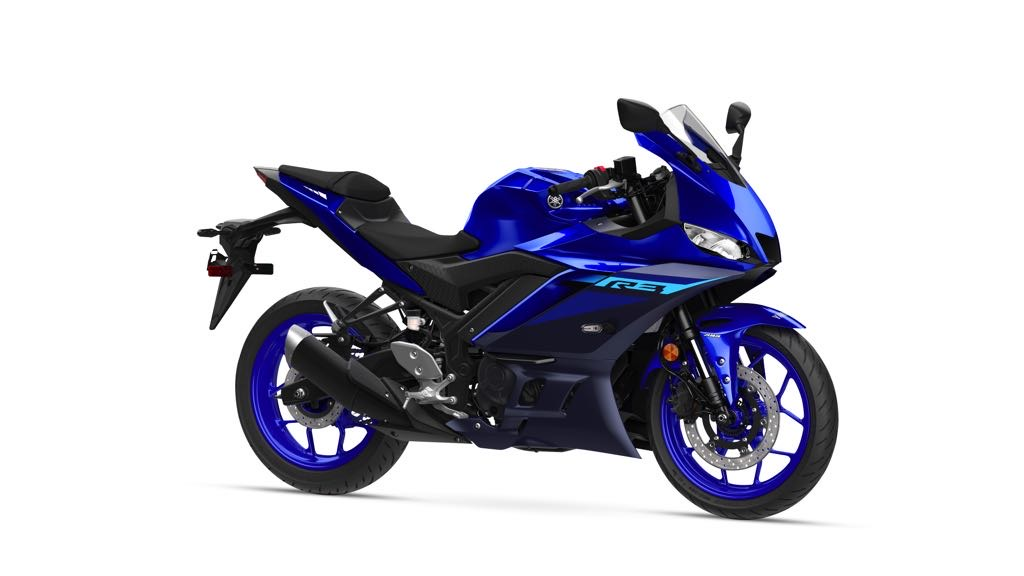
The Yamaha Motor India R2 sportbike is being developed as the long-awaited progression above the R15. This new model is expected to deliver a noticeable improvement in performance while retaining the efficiency-focused philosophy that has defined Yamaha’s smaller sportbikes in India.
According to available information, the R2 will feature:
By opting for a modest increase in displacement, Yamaha aims to balance stronger performance with fuel efficiency, a trait that has consistently resonated with Indian buyers. The Yamaha Motor India R2 sportbike is expected to reach showrooms around the festive season of 2026.
Yamaha Electric Scooters India Strategy for 2026
Alongside its new motorcycle, Yamaha is preparing a dual-entry into India’s electric scooter market. This mirrors the approach taken by other Japanese manufacturers, including Suzuki, but with a stronger focus on differentiation across use cases.
Yamaha EC-06 Electric Scooter
The EC-06 electric scooter is based on the River Indie platform and is built by River. Production of the EC-06 has already commenced, underlining Yamaha’s intent to accelerate its EV rollout.
Key highlights of the EC-06 include:
Yamaha Aerox-E Electric Scooter
In contrast, the Aerox-E is a fully self-developed Yamaha electric scooter. It targets buyers seeking a sportier electric option with familiar styling and a richer feature set.
The Aerox-E is expected to offer:
Yamaha Nmax 155 India Launch Timeline
In the internal combustion scooter segment, Yamaha is also preparing the Nmax 155 for the Indian market. This model is expected to strengthen Yamaha’s premium scooter presence and could be introduced either in the second half of 2026 or in early 2027, depending on market readiness.
With the Yamaha Motor India R2 sportbike, two distinct electric scooters, and the Nmax 155 in the pipeline, the company is setting the stage for one of its most comprehensive product offensives in India, covering performance enthusiasts, EV adopters, and premium scooter buyers within a short timeframe.
Yamaha Motor India R2 Sportbike to Be Made in India
The Yamaha Motor India R2 sportbike is being developed as the long-awaited progression above the R15. This new model is expected to deliver a noticeable improvement in performance while retaining the efficiency-focused philosophy that has defined Yamaha’s smaller sportbikes in India.
According to available information, the R2 will feature:
- A new engine with displacement around 200cc or slightly higher
- Positioning clearly above the R15 in the lineup
- Development and design led entirely from India
- Manufacturing at Yamaha’s Chennai facility
By opting for a modest increase in displacement, Yamaha aims to balance stronger performance with fuel efficiency, a trait that has consistently resonated with Indian buyers. The Yamaha Motor India R2 sportbike is expected to reach showrooms around the festive season of 2026.
Yamaha Electric Scooters India Strategy for 2026
Alongside its new motorcycle, Yamaha is preparing a dual-entry into India’s electric scooter market. This mirrors the approach taken by other Japanese manufacturers, including Suzuki, but with a stronger focus on differentiation across use cases.
Yamaha EC-06 Electric Scooter
The EC-06 electric scooter is based on the River Indie platform and is built by River. Production of the EC-06 has already commenced, underlining Yamaha’s intent to accelerate its EV rollout.
Key highlights of the EC-06 include:
- A 4kWh battery pack
- Claimed IDC range of 160km
- Practical, urban-focused design
Yamaha Aerox-E Electric Scooter
In contrast, the Aerox-E is a fully self-developed Yamaha electric scooter. It targets buyers seeking a sportier electric option with familiar styling and a richer feature set.
The Aerox-E is expected to offer:
- A 3kWh battery
- Claimed IDC range of 106km
- More features than the EC-06
- Design cues inspired by the ICE Aerox
Yamaha Nmax 155 India Launch Timeline
In the internal combustion scooter segment, Yamaha is also preparing the Nmax 155 for the Indian market. This model is expected to strengthen Yamaha’s premium scooter presence and could be introduced either in the second half of 2026 or in early 2027, depending on market readiness.
With the Yamaha Motor India R2 sportbike, two distinct electric scooters, and the Nmax 155 in the pipeline, the company is setting the stage for one of its most comprehensive product offensives in India, covering performance enthusiasts, EV adopters, and premium scooter buyers within a short timeframe.
Company Press Release
Click above to visit the official source.
Discussion
Join the conversation.
Share: