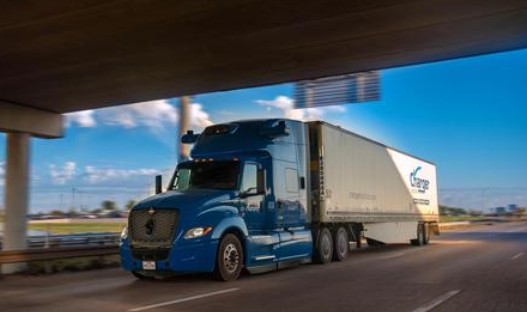
- Aurora Innovation targets up to 500 autonomous trucks through Charger Logistics.
- Deliveries are planned across 2027 and 2028.
- Charger plans deployment across high-volume U.S.-Mexico freight routes.
Aurora Innovation and Charger Logistics Target Up to 500 Autonomous Trucks
On October 26, Aurora Innovation announced a memorandum of understanding (MOU) with Charger Logistics covering the potential purchase of up to 500 trucks powered by the Aurora Driver autonomous driving system. Under the non-binding agreement, Charger intends to take delivery of the trucks across 2027 and 2028. The MOU expands on an existing contract signed in July, building on the companies’ work involving autonomous freight operations. The proposed purchase represents a potential expansion of autonomous trucking deployments for cross-border and domestic freight transportation. However, the agreement remains non-binding, and the planned volume reflects Charger’s stated intention rather than a confirmed final purchase commitment.
Charger Logistics Builds on Autonomous Freight Operations
Charger Logistics operates across the United States and Mexico, transporting goods for the automotive, food and beverage, pharmaceutical, and retail industries. The company plans to deploy the proposed Aurora Driver-powered trucks on existing and new high-volume routes near the U.S.-Mexico border and elsewhere throughout the country. These intended deployment areas connect the announcement to freight operations serving multiple industries and transportation markets. Charger’s plans build on its existing relationship with Aurora and its experience operating along the Laredo corridor. The planned expansion depends on the companies reaching a final agreement and proceeding with the intended vehicle deliveries.
Existing Laredo Corridor Operations Inform Expansion Plans
Andy Khera, president of Charger Logistics, described the operational experience that has informed the company’s expansion plans. “Since launching autonomous operations along the Laredo corridor, we’ve realized immediate operational benefits that point to a clear path to scaling,” Khera said. His statement identifies the Laredo corridor as an important part of Charger’s experience with autonomous freight operations. The announcement does not quantify those operational benefits or specify their individual components. Instead, the executive’s comments explain why Charger intends to extend its use of Aurora-powered trucks across additional high-volume routes, subject to the completion of a final agreement.
Aurora Driver as a Service Supports Scaling Strategy
Following a final agreement, Charger intends to subscribe to Aurora’s Driver as a Service (DaaS) model. The service is a key component of Aurora’s strategy to scale its driverless truck operations to 30,000 trucks in 2030. The proposed arrangement would connect Charger’s intended vehicle deployment with Aurora’s broader commercialization plans. The announcement does not provide pricing, subscription terms, or additional details about the final contractual structure. It also does not confirm that the planned 500-truck purchase has been finalized. The DaaS subscription therefore remains a stated intention contingent on a final agreement between the companies.
Aurora’s Broader Automotive and Technology Partnerships
Aurora works with a range of companies across the automotive, technology, transportation, and logistics sectors. Its industry relationships include AUMOVIO, NVIDIA, PACCAR, Toyota, Uber, Uber Freight, Volvo Trucks, and Volvo Autonomous Solutions. These companies form part of the broader industry ecosystem in which Aurora is developing and scaling autonomous trucking operations. The announcement identifies these relationships but does not specify that each partner is directly involved in the proposed Charger Logistics deployment. The MOU with Charger adds another intended deployment opportunity to Aurora’s commercial activities while its stated long-term strategy targets a substantially larger driverless truck fleet by 2030.
Industry Impact & Outlook
The proposed deployment could expand the use of autonomous trucks in freight transportation between the United States and Mexico, particularly on high-volume routes serving automotive, pharmaceutical, food and beverage, and retail supply chains. For Charger Logistics, the planned vehicles offer a route to extending autonomous operations beyond its existing Laredo corridor activity, while Aurora could gain a larger intended customer deployment supporting its 2030 fleet target. The commercial significance will depend on a final agreement, the actual number of trucks ordered, and deliveries scheduled for 2027 and 2028. Until those commitments are finalized, the 500-truck figure remains a non-binding target rather than a confirmed fleet addition.
Frequently Asked Questions
What did Aurora Innovation and Charger Logistics announce?
Aurora Innovation and Charger Logistics announced a non-binding memorandum of understanding covering the intended purchase of up to 500 Aurora Driver-powered trucks. Under the MOU, Charger plans to receive the trucks during 2027 and 2028. The agreement expands on an existing contract signed in July and builds on autonomous operations along the Laredo corridor. The proposed purchase has not been described as a finalized commitment, and the companies would need to reach a final agreement before proceeding with the intended arrangement.
When are the autonomous trucks expected to be delivered?
Charger Logistics intends to take delivery of the proposed Aurora Driver-powered trucks across 2027 and 2028. The announcement identifies these two years as the planned delivery period but does not provide a detailed delivery schedule or specify how many trucks would arrive in each year. The stated volume is up to 500 vehicles under a non-binding MOU, so the final quantity and delivery arrangements remain subject to a definitive agreement. The announcement does not establish that all 500 trucks have been ordered or that deliveries are guaranteed.
Where does Charger Logistics plan to deploy the trucks?
Charger Logistics plans to deploy the intended autonomous trucks on existing and new high-volume routes near the U.S.-Mexico border and throughout the country. The company already operates across the United States and Mexico, transporting goods for the automotive, food and beverage, pharmaceutical, and retail industries. Its experience with autonomous operations along the Laredo corridor provides context for the proposed expansion. The announcement does not identify every planned route or provide a detailed deployment schedule, so the precise locations and scale of individual operations remain unspecified.
What is Aurora’s Driver as a Service model?
Aurora’s Driver as a Service (DaaS) model is the service arrangement that Charger Logistics intends to subscribe to after the companies reach a final agreement. Aurora identifies the model as a critical component of its strategy to scale to 30,000 driverless trucks in 2030. The announcement does not disclose the subscription price, detailed service terms, or the final contractual conditions that would apply to Charger. Accordingly, the planned subscription remains an intention rather than a confirmed completed arrangement, and further details would depend on the final agreement.
How does the MOU relate to Aurora’s 2030 goal?
Aurora’s stated strategy is to scale its operations to 30,000 driverless trucks by 2030, with its Driver as a Service model serving as a critical component of that plan. Charger Logistics’ intended purchase of up to 500 trucks could contribute to the expansion of Aurora’s commercial deployments if the companies finalize the agreement and proceed with deliveries. However, the MOU does not confirm a completed purchase or guarantee that the full proposed quantity will enter service. The announcement also does not provide a revised fleet forecast or quantify the MOU’s contribution to Aurora’s 2030 target.
Click above to visit the official source.
Discussion
Join the conversation.