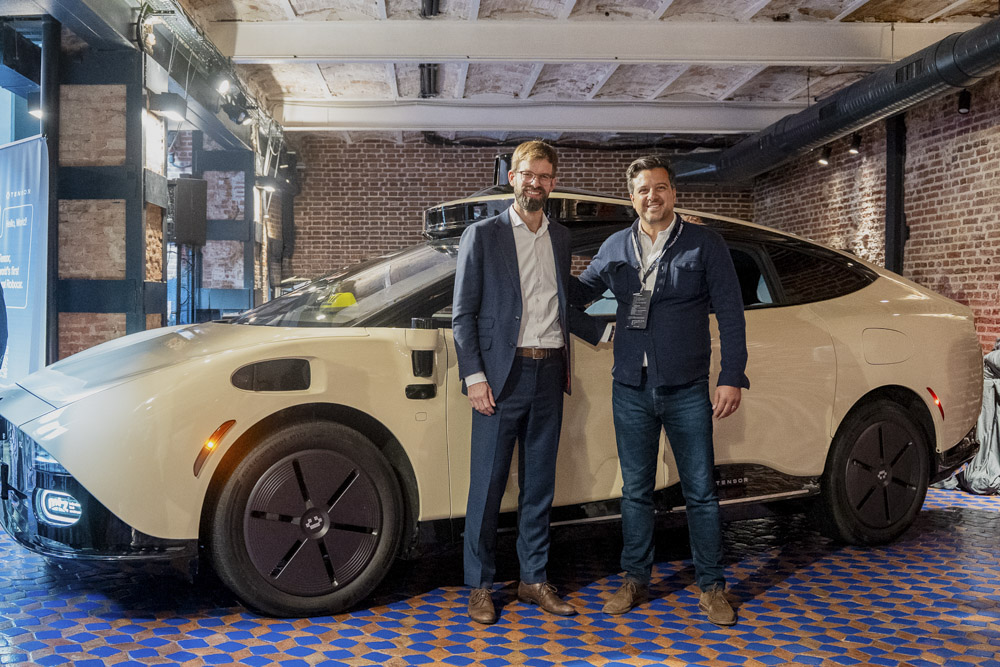
- Tensor Auto plans European robotaxi deployment with MTZ.
- MTZ will operate Robocars under its own taxi brand.
- Partners target 10,000 additional Robocars within 24 months.
Tensor Auto and MTZ Plan Autonomous Taxi Deployment in Germany
Tensor Auto Inc., a California-based developer of the Tensor Robocar, and Münchner Taxi Zentrum (MTZ), described as Munich's largest taxi operator, announced a letter of intent (LOI) on October 27 to deploy Tensor Robocars as autonomous taxis in Germany. Under the proposed arrangement, MTZ would operate the vehicles as part of its existing taxi service. The agreement outlines an operator-led approach in which the taxi company retains control of customer relationships and its own brand, while Tensor supplies the vehicles and autonomous driving capabilities through a recurring subscription. The announcement also establishes Germany as the starting point for a broader plan to introduce the Robocar through taxi companies and fleet operators across Europe.
How the Operator-Led Robotaxi Business Model Works
The proposed partnership separates taxi service operations from the provision of autonomous driving technology. MTZ will operate the Tensor Robocars under its own brand, maintaining its customer relationships and integrating the vehicles into its taxi service. Tensor, meanwhile, will sell the Robocar and provide autonomous driving through Autonomous Driving as a Service (ADaaS), a recurring subscription model. This structure allows participating operators to retain their service identity while obtaining vehicles and supporting technology from Tensor. The companies also indicated that the same model could be adopted by other taxi operators across Europe, potentially allowing established mobility businesses to introduce autonomous taxis without replacing their existing brands.
ADaaS Subscription Includes Software and Fleet Support
Tensor's responsibilities under the proposed model extend beyond supplying autonomous vehicles. Through its ADaaS subscription, the company will provide autonomous driving software, fleet-management tools, ongoing service and training. MTZ and other participating operators will manage day-to-day service operations. This division of responsibilities defines the intended relationship between the technology provider and the taxi operator: Tensor supplies the autonomous driving capabilities and related support, while operators run the customer-facing business. The announcement does not specify subscription prices, vehicle delivery schedules, operational performance requirements or the precise commercial terms of the arrangement. Those details therefore remain unconfirmed in the information provided about the letter of intent.
Financial Institutions Could Support Fleet Expansion
The companies also described a financing structure involving mobility operators, taxi companies and financial institutions. Under the proposed approach, financial institutions will finance Robocar fleets, helping operators expand their autonomous taxi services while creating what the partners characterize as a new asset class in European mobility. Participating operators would oversee everyday service operations, while Tensor would provide the vehicle and recurring autonomous driving subscription. The model is intended to connect vehicle deployment with financing arrangements that could support fleet growth. However, the announcement does not identify participating financial institutions, disclose financing terms or confirm how fleet ownership and associated financial risks would be allocated among the parties.
European Expansion Targets 10,000 Additional Robocars
Tensor Auto and MTZ plan to work together to introduce Tensor Robocars to additional taxi companies and fleet operators across Europe, beginning in Germany. Their stated objective is to place 10,000 additional Robocars with European operators within 24 months after the Robocar becomes available in Europe. This target is conditional on the vehicle's European availability and should not be interpreted as a confirmed delivery schedule or evidence that the vehicles are already operating commercially. The announcement does not specify the rollout timetable for individual countries, the number of vehicles initially planned for Germany or the milestones that will determine progress toward the overall target. The proposed operator-led model is intended to support expansion through existing mobility businesses.
What the Partnership Establishes and What Remains Unconfirmed
The letter of intent establishes the partners' intended direction: MTZ would operate autonomous taxis under its own brand, Tensor would provide Robocars and subscription-based driving technology, and financial institutions would support fleet financing. The companies also identified a European deployment ambition of 10,000 additional vehicles within the specified 24-month period following European availability. However, the announcement does not establish a final commercial agreement, confirm a launch date or provide detailed implementation milestones. It also does not specify the regulatory approvals, operating conditions or country-by-country requirements applicable to deployment. These distinctions matter when assessing the announcement: it describes a planned business model and expansion objective rather than confirming that the full fleet rollout has been completed or guaranteed.
Industry Impact & Outlook
The proposed Tensor Auto and MTZ partnership presents an operator-led route for introducing autonomous taxis through established mobility businesses rather than replacing their customer-facing brands. If implemented, the model could give taxi operators access to autonomous driving software, fleet-management tools and ongoing support through a recurring subscription, while fleet financing could help address the capital requirements of deployment. Germany is the intended starting point, with the partners targeting expansion to other European operators. Progress will depend on the Robocar becoming available in Europe, the execution of commercial arrangements and the practical requirements for operating autonomous taxis in individual markets. The 10,000-vehicle objective provides a stated measure of ambition, but the announcement does not confirm that the target will be achieved.
Frequently Asked Questions
What did Tensor Auto and MTZ announce on October 27?
Tensor Auto and Münchner Taxi Zentrum announced a letter of intent to deploy Tensor Robocars as autonomous taxis in Germany, with MTZ operating the vehicles. The proposed arrangement uses an operator-led business model in which MTZ retains its customer relationships and brand, while Tensor supplies the Robocar and autonomous driving through a recurring subscription. The partners also plan to extend the model to other taxi companies and fleet operators across Europe, starting in Germany. The announcement describes their intended collaboration rather than confirming a completed commercial rollout.
How will the Tensor Auto and MTZ operating model work?
The proposed model assigns customer-facing taxi operations to MTZ while Tensor provides the vehicles and autonomous driving technology through its subscription service. MTZ will operate the Robocars under its own brand as part of its taxi business, retaining its customer relationships. Tensor will supply autonomous driving software, fleet-management tools, ongoing service and training through Autonomous Driving as a Service. The companies intend to make this arrangement available to other European taxi operators. The announcement does not provide detailed commercial terms, subscription pricing or a confirmed operational launch date.
What is Autonomous Driving as a Service?
Autonomous Driving as a Service, or ADaaS, is the recurring subscription model Tensor plans to use to provide autonomous driving capabilities and related support for its Robocar fleets. According to the announcement, the service will include autonomous driving software, fleet-management tools, ongoing service and training. Taxi operators such as MTZ will manage day-to-day service operations and maintain their customer relationships. The announcement does not disclose subscription prices, contract durations or specific service-level commitments, so those commercial details cannot be established from the information provided.
What is the European deployment target for Tensor Robocars?
Tensor Auto and MTZ aim to place 10,000 additional Robocars with European operators within 24 months after the Robocar becomes available in Europe. Germany is the starting point for the planned expansion, which is intended to involve other taxi companies and fleet operators. The target is a stated objective, not confirmation that 10,000 vehicles have been ordered, delivered or placed into commercial service. The announcement does not specify country-level allocations, interim milestones or an exact European availability date, leaving the detailed rollout schedule unconfirmed.
How will financial institutions support the planned Robocar fleets?
The announced business model anticipates that financial institutions will finance Robocar fleets in partnership with mobility operators and taxi companies. This arrangement is intended to support fleet expansion while creating what the partners describe as a new asset class in European mobility. Operators would manage everyday taxi service operations, while Tensor would supply the vehicles and autonomous driving capabilities through its recurring subscription. The announcement does not identify the financing institutions or disclose lending structures, ownership arrangements, financing costs or risk-sharing terms. Those details remain unspecified in the available source material.
Does the announcement confirm that autonomous taxis are already operating in Germany?
No, the announcement describes a letter of intent to deploy Tensor Robocars as autonomous taxis in Germany, operated by MTZ. It establishes the companies' proposed collaboration and their intended operator-led business model, but it does not confirm that the vehicles have entered commercial service. The source also does not provide a launch date, confirm completed regulatory approvals or specify operational milestones. The planned European expansion depends on the Robocar becoming available in Europe. Accordingly, the announcement should be understood as a statement of intent and future deployment ambitions rather than evidence of a completed rollout.
Click above to visit the official source.
Discussion
Join the conversation.