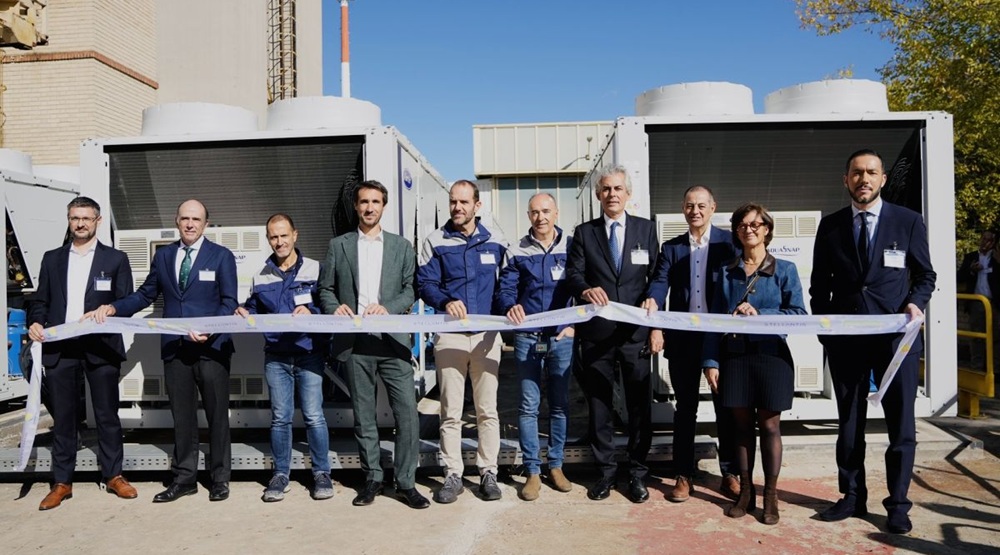
- Stellantis launches Madrid plant energy project with GreenYellow.
- Heat pumps target annual gas savings of 2.9 GWh.
- Solar capacity reaches 12.4 MWp with 25 MWh battery storage.
Stellantis and GreenYellow Launch Madrid Plant Energy Efficiency Project
On October 20, Stellantis and GreenYellow launched a joint project to improve energy efficiency and sustainability at the Madrid plant in Spain. The initiative brings together energy-saving measures, heat pumps, solar power generation, and battery storage to reduce operating energy costs and emissions while strengthening the facility’s energy security. By coordinating these technologies around the plant’s production needs, the project aims to improve the way energy is generated, stored, and consumed. The initiative combines electrification with renewable electricity and storage rather than relying on a single solution, establishing an integrated approach to industrial energy management at the Madrid facility.
Heat Pumps to Replace Gas Boilers and Reduce Consumption
A central element of the project is the replacement of gas boilers with heat pumps. This change is expected to reduce annual gas consumption by approximately 2.9 GWh and cut emissions associated with heating by 57%. The planned transition supports the plant’s broader effort to improve energy efficiency and lower emissions through electrification. By reducing reliance on gas-fired heating, the facility is intended to change how it meets its heating requirements while contributing to the project’s overall energy and environmental objectives. The stated figures describe the expected reductions associated with the planned heating changes, rather than confirming that the savings have already been achieved.
Solar Power Capacity and Expected Renewable Electricity Generation
The project includes a total solar power capacity of 12.4 MWp. Within this capacity, a 4.6 MWp ground-mounted solar installation is expected to generate around 7 GWh of renewable electricity annually. The solar component is intended to contribute to the plant’s energy needs while supporting the initiative’s emissions-reduction objectives. Combining on-site solar generation with other energy measures can help align electricity supply with industrial demand, although the source information does not specify the complete generation profile or the proportion of the facility’s total electricity consumption that the installation will cover. The project’s stated capacity and annual generation estimate define key elements of its renewable energy plan.
Battery Storage to Improve Energy Flexibility and Reliability
A 25 MWh battery system forms another part of the integrated energy project. The storage system is intended to retain electricity for later use, complementing the planned solar installations and helping the plant manage energy according to its production requirements. Coordinating generation, storage, and consumption is expected to improve energy flexibility and reliability while supporting lower-emission operations. The announcement does not specify the battery’s power rating, operating duration, or detailed dispatch strategy, so those technical characteristics cannot be established from the available information. Its stated role is to store energy for subsequent use as part of the facility’s broader energy management approach.
Integrated Energy Management for Industrial Operations
The project’s approach depends on managing its energy-saving measures, heat pumps, solar generation, and battery storage together in response to production needs. This coordinated operation is intended to improve efficiency, flexibility, and reliability rather than treating each technology as an independent installation. For the Madrid plant, the combined system is designed to reduce energy costs and emissions while strengthening energy security. The announcement does not provide a total investment figure, implementation schedule, or quantified overall emissions reduction across every component. Its stated objectives nevertheless connect the planned infrastructure with the practical requirements of manufacturing, where energy demand must be managed alongside ongoing production.
Launch Event Highlights Electrification and Energy Efficiency
At the project launch event, GreenYellow presented the overall initiative and its energy solutions, while IcoEnergía discussed the challenges associated with electrification and energy efficiency. Their contributions placed the project within the practical work of integrating lower-emission energy technologies into an industrial facility. The announcement identifies the participating organizations and the principal technologies but does not detail the division of implementation responsibilities, project financing, or construction milestones. The discussion of electrification challenges also highlights that improving industrial energy performance involves more than installing individual systems; the measures must work together to serve operational requirements while supporting the facility’s sustainability and energy security objectives.
Industry Impact & Outlook
The Madrid project illustrates how automotive manufacturing facilities can combine electrified heating, on-site renewable generation, and battery storage to address energy costs, emissions, and supply flexibility within one coordinated initiative. For Stellantis, the expected reductions in gas use and heating emissions provide measurable targets against which implementation can eventually be assessed, while the solar and storage systems are intended to support production-related energy requirements. GreenYellow’s participation and IcoEnergía’s discussion of electrification challenges also reflect the importance of energy expertise when adapting industrial operations. The next meaningful indicators will be implementation progress and verified operating results; the available announcement does not establish when the systems will be fully operational or confirm realized savings.
Frequently Asked Questions
What did Stellantis and GreenYellow announce for the Madrid plant?
Stellantis and GreenYellow launched a joint project on October 20 to improve the Madrid plant’s energy efficiency, sustainability, and energy security. The initiative combines energy-saving measures, heat pumps, solar power generation, and battery storage. Its objectives include reducing energy costs and emissions while improving flexibility and reliability by managing the systems according to production needs. The announcement describes the project’s intended outcomes and planned technologies, rather than confirming that the full system is already operating or that all projected savings have been achieved.
How much gas consumption is the heat pump project expected to reduce?
The planned replacement of gas boilers with heat pumps is expected to reduce annual gas consumption by around 2.9 GWh at the Madrid plant. The heating changes are also expected to reduce emissions from heating by 57%. These figures are specific to the planned intervention described in the announcement. The available information does not provide a completion date or verified post-installation results, so the reductions should be understood as expected outcomes rather than confirmed operating performance.
What solar power capacity is included in the project?
The project includes 12.4 MWp of solar power capacity, including a 4.6 MWp ground-mounted solar installation. The ground-mounted installation is expected to generate approximately 7 GWh of renewable electricity annually. The solar systems are part of a wider plan that also includes heat pumps, energy-saving measures, and battery storage. The announcement does not specify how much of the Madrid plant’s total electricity demand the solar installations will meet, nor does it provide a detailed schedule for commissioning the capacity.
What is the purpose of the 25 MWh battery system?
The 25 MWh battery system is intended to store energy so it can be used later as part of the Madrid plant’s integrated energy management strategy. It complements the planned solar capacity and is designed to help coordinate energy availability with production needs. The overall project aims to improve energy efficiency, flexibility, and reliability while reducing costs and emissions. The announcement does not specify the battery’s power rating, discharge duration, or detailed operating schedule, so those characteristics cannot be confirmed from the stated information.
What role does GreenYellow play in the project?
GreenYellow is a named participant in the joint project with Stellantis to improve energy efficiency and sustainability at the Madrid plant. During the launch event, GreenYellow presented the overall project and its energy solutions, including the combined approach involving heat pumps, solar power, and battery storage. The announcement does not provide a detailed contractual breakdown of each organization’s implementation responsibilities, financing commitments, or delivery schedule. Its confirmed role in the reported event is presenting the project and its energy solutions alongside the launch.
What did IcoEnergía discuss at the launch event?
IcoEnergía discussed the challenges of electrification and energy efficiency during the launch event for the Madrid plant project. These topics are relevant to the initiative because the planned changes combine electrified heating with renewable electricity generation and battery storage, all of which must support the facility’s production requirements. The source does not provide further details about IcoEnergía’s specific recommendations, technical proposals, or contractual role. The announcement therefore establishes the subject of its contribution without attributing additional commitments or solutions to the organization.
Click above to visit the official source.
Discussion
Join the conversation.