Quick Takeaways
- KAMAZ axle gears production moves to a full-cycle manufacturing model.
- KAMAZ axle gears production capacity is being strengthened through state-backed investments.
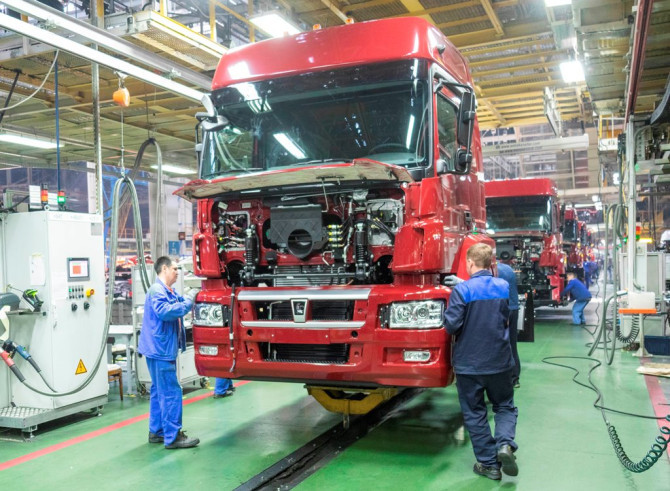
On January 15, the Industrial Development Fund announced that the Kama Mechanical Plant in Naberezhnye Chelny has transitioned to a full production cycle for rear, middle, and front axle gears used in KAMAZ trucks, marking a significant step in strengthening domestic automotive component manufacturing.
Investments supporting KAMAZ axle gears production expansion
The transition was enabled by investments exceeding RUB 260 million. Of this amount, RUB 180 million was provided by the federal Industrial Development Fund, while RUB 20 million came from the Investment and Venture Fund of the Republic of Tatarstan under the joint federal–regional “Components” program.
These targeted investments were directed toward upgrading equipment, introducing advanced machining processes, and establishing a complete manufacturing chain within the plant. As a result, the facility is now capable of handling the entire axle gear production process in-house.
Production capacity and impact on KAMAZ trucks
Once the plant reaches its design capacity, KAMAZ axle gears production is expected to reach up to 80,000 gears per year. This output will be sufficient to cover around half of KAMAZ’s total demand for axle gears, significantly strengthening the company’s internal supply base.
Key outcomes of the expanded production include:
By moving to a full-cycle model, the Kama Mechanical Plant plays a strategic role in supporting KAMAZ axle gears production, aligning with broader industry goals of technological self-reliance and sustainable growth in the commercial vehicle sector. The initiative, based on an Industrial Development Fund press release, reflects continued efforts to modernize Russia’s automotive manufacturing infrastructure while meeting the evolving needs of truck production.
Investments supporting KAMAZ axle gears production expansion
The transition was enabled by investments exceeding RUB 260 million. Of this amount, RUB 180 million was provided by the federal Industrial Development Fund, while RUB 20 million came from the Investment and Venture Fund of the Republic of Tatarstan under the joint federal–regional “Components” program.
These targeted investments were directed toward upgrading equipment, introducing advanced machining processes, and establishing a complete manufacturing chain within the plant. As a result, the facility is now capable of handling the entire axle gear production process in-house.
Production capacity and impact on KAMAZ trucks
Once the plant reaches its design capacity, KAMAZ axle gears production is expected to reach up to 80,000 gears per year. This output will be sufficient to cover around half of KAMAZ’s total demand for axle gears, significantly strengthening the company’s internal supply base.
Key outcomes of the expanded production include:
- Higher localization of critical drivetrain components
- Improved production reliability for KAMAZ trucks
- Reduced supply risks through domestic manufacturing
- Enhanced efficiency across the automotive components value chain
By moving to a full-cycle model, the Kama Mechanical Plant plays a strategic role in supporting KAMAZ axle gears production, aligning with broader industry goals of technological self-reliance and sustainable growth in the commercial vehicle sector. The initiative, based on an Industrial Development Fund press release, reflects continued efforts to modernize Russia’s automotive manufacturing infrastructure while meeting the evolving needs of truck production.
Company Press Release
Click above to visit the official source.
Discussion
Join the conversation.
Share: