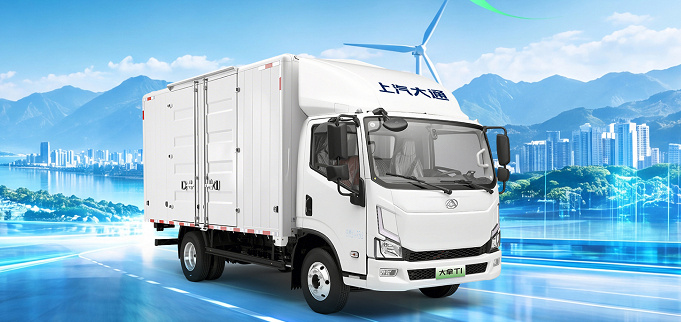
- SAIC Maxus enters China's compliant NEV battery transport market.
- Three companies will develop specialized battery transportation solutions.
- Revised GB 21668-2025 introduces stricter battery transport safety requirements.
SAIC Maxus Enters China's Compliant NEV Battery Transport Market
On October 14, SAIC Motor Corporation Limited announced that its subsidiary, SAIC Maxus Automotive Co., Ltd., had recently signed a tripartite cooperation framework agreement in Nanjing to develop vehicles designed for the safe transportation of new energy vehicle (NEV) batteries. Through this agreement, SAIC Maxus Automotive Co Ltd became the first commercial vehicle manufacturer in China to enter the market for compliant NEV battery transportation, according to the announcement. The initiative focuses on purpose-built vehicles intended to address safety and regulatory requirements associated with transporting power batteries, particularly as increasing volumes of retired batteries create greater demands on the recycling supply chain.
Growing Need for Safe Power Battery Transportation
The rapid development of the new energy vehicle industry has led to a continuing increase in the number of retired power batteries. Moving these batteries safely for recycling has consequently become a more significant logistical and compliance challenge. Transportation solutions must account for the risks associated with handling and moving batteries while meeting applicable requirements for dangerous goods. The announcement identifies this growing battery volume as a source of pressure on transportation safety and regulatory compliance, creating an urgent market need for vehicles designed specifically for the task rather than relying on general-purpose transportation arrangements.
GB 21668-2025 Raises Battery Transport Safety Requirements
The gradual implementation of new policies and standards, including the revised Safety Technical Specifications of Vehicles for the Carriage of Dangerous Goods, GB 21668-2025, is introducing stricter requirements for power battery transport vehicles. According to the source announcement, these requirements cover thermal runaway prevention and control, flame-retardant features, and intelligent safety systems. These areas are particularly relevant to vehicles transporting NEV batteries because the transportation process must address battery-related safety risks while complying with the applicable technical framework. The agreement responds to this evolving regulatory environment by bringing together companies with complementary capabilities to develop a dedicated transportation solution.
Three-Party Cooperation Combines Vehicle and Safety Expertise
The cooperation brings together three companies with different areas of expertise: SAIC Motor Corporation Limited, through SAIC Maxus, contributes vehicle manufacturing capabilities; Zhengzhou Yi’an Waterborne Polymer Materials Co Ltd develops safety and protective materials; and Henan Huamao Junjie Vehicle Co Ltd specializes in special-purpose vehicle modification. The parties intend to combine these capabilities to develop vehicles and supporting systems tailored to the transportation of NEV batteries. Their framework agreement establishes a collaborative approach that connects vehicle production, enhanced cargo-body safety, and specialized vehicle modification within one development effort.
Developing a Comprehensive NEV Battery Transportation Solution
Under the cooperation framework, the three companies will jointly develop a comprehensive dangerous goods transportation solution specifically designed for NEV batteries. The work will draw on their respective capabilities in manufacturing, safety-enhanced cargo bodies, protective materials, and special-purpose vehicle modification. The stated objective is to strengthen safe transportation capabilities across the power battery recycling supply chain. The announcement does not specify detailed vehicle configurations, technical performance figures, production schedules, pricing, or delivery volumes. Those details therefore remain unconfirmed in the available source material, while the stated direction of the partnership is focused on purpose-built transportation and improved alignment with relevant safety requirements.
Industry Impact & Outlook
The agreement reflects a growing need for specialized commercial vehicles as China's NEV fleet generates more retired power batteries requiring transportation for recycling. By combining vehicle manufacturing, protective-material development, and special-purpose modification, the participating companies are positioning their cooperation around safety and regulatory compliance rather than general cargo transport alone. The revised GB 21668-2025 requirements add importance to thermal runaway controls, flame-retardant features, and intelligent safety systems in this segment. The partnership's practical impact will depend on the solutions ultimately developed and their compliance with applicable requirements; the announcement does not yet establish production volumes, commercial deployment dates, or specific technical outcomes.
Frequently Asked Questions
What did SAIC Maxus announce about NEV battery transportation?
SAIC Maxus signed a tripartite cooperation framework agreement to develop vehicles designed for the compliant transportation of new energy vehicle batteries in China. Announced by SAIC Motor Corporation Limited on October 14, the agreement was signed in Nanjing and brings together three companies with complementary capabilities. The initiative targets safer transportation of batteries, including retired power batteries moving through recycling supply chains. The announcement describes SAIC Maxus as the first commercial vehicle manufacturer in China to enter this compliant NEV battery transportation market.
Which companies are participating in the cooperation agreement?
The cooperation involves SAIC Maxus Automotive Co., Ltd., Zhengzhou Yi’an Waterborne Polymer Materials Co., Ltd., and Henan Huamao Junjie Vehicle Co., Ltd. Each participant brings a distinct capability to the planned transportation solution. SAIC Maxus contributes vehicle manufacturing expertise, Zhengzhou Yi’an develops safety and protective materials, and Huamao Junjie specializes in modifying special-purpose vehicles. Their combined work is intended to support the development of vehicles and cargo-body solutions designed specifically for the safe transportation of NEV batteries.
Why is compliant transportation of retired power batteries becoming more important?
The number of retired power batteries continues to grow as the new energy vehicle industry develops, increasing the need to transport batteries safely for recycling. This creates additional pressure on logistics providers and vehicle manufacturers to address safety risks and regulatory compliance. Purpose-built transportation solutions can be developed around the requirements associated with battery handling and movement. The source announcement identifies this growing volume of retired batteries and the implementation of stricter policies and standards as key reasons for the urgent market need.
What is GB 21668-2025, and why does it matter to this initiative?
GB 21668-2025 is identified in the announcement as the revised Safety Technical Specifications of Vehicles for the Carriage of Dangerous Goods. Its gradual implementation brings stricter requirements for power battery transport vehicles, including thermal runaway prevention and control, flame-retardant features, and intelligent safety systems. These requirements are relevant to the development of specialized vehicles for transporting NEV batteries. The cooperation is intended to combine manufacturing and safety-related expertise in response to the evolving technical and regulatory expectations described in the announcement.
What will the three companies jointly develop?
The three companies plan to develop a comprehensive dangerous goods transportation solution specifically designed for new energy vehicle batteries. Their cooperation combines vehicle manufacturing, safety-enhanced cargo bodies, protective materials, and special-purpose vehicle modification. The stated purpose is to improve the safe transportation of batteries within the power battery recycling supply chain. The announcement does not provide a complete technical specification or confirm particular vehicle features beyond the broader safety requirements identified, so detailed configurations and performance results should not be assumed.
Have production dates, prices, or detailed vehicle specifications been announced?
The available announcement does not provide confirmed production dates, pricing, delivery volumes, or detailed vehicle specifications for the planned NEV battery transportation solution. It establishes a cooperation framework and describes the participating companies' respective capabilities and shared development objective. It also identifies safety and regulatory requirements relevant to the vehicles, including thermal runaway prevention and control, flame-retardant features, and intelligent safety systems. Further technical and commercial details would be needed to determine when the vehicles may enter service and how the finished solutions will be configured.
Click above to visit the official source.
Discussion
Join the conversation.