- Opel STX Concept previews future estate car styling.
- The electric concept features all-wheel drive and exceeds 200 km/h.
- DS F3VER showcases lightweight design and 400-liter cargo capacity.
Stellantis Unveils Opel STX Concept to Preview Future Estate Cars
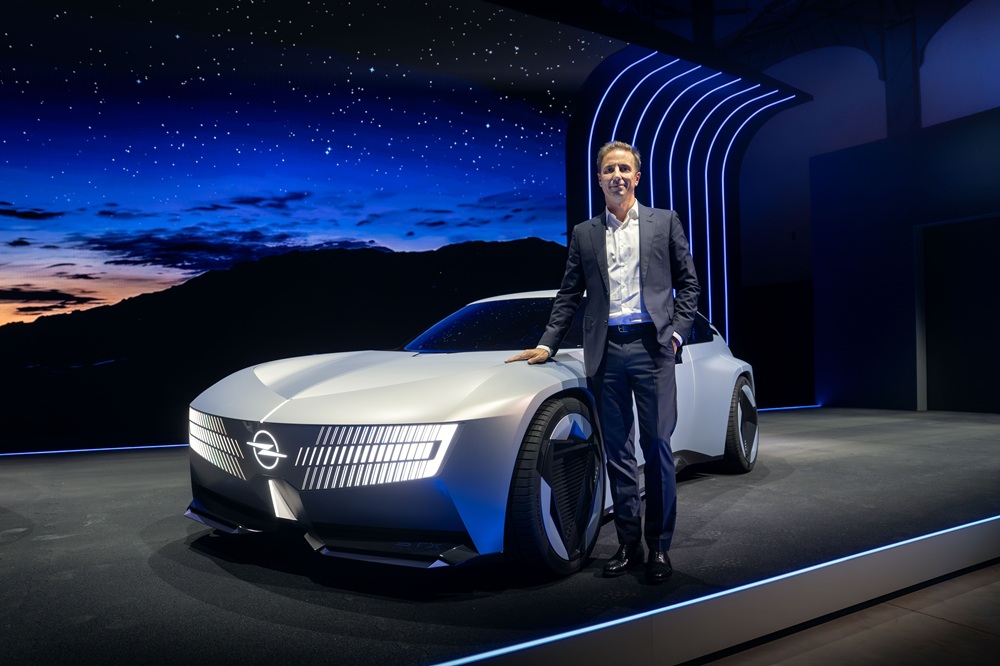
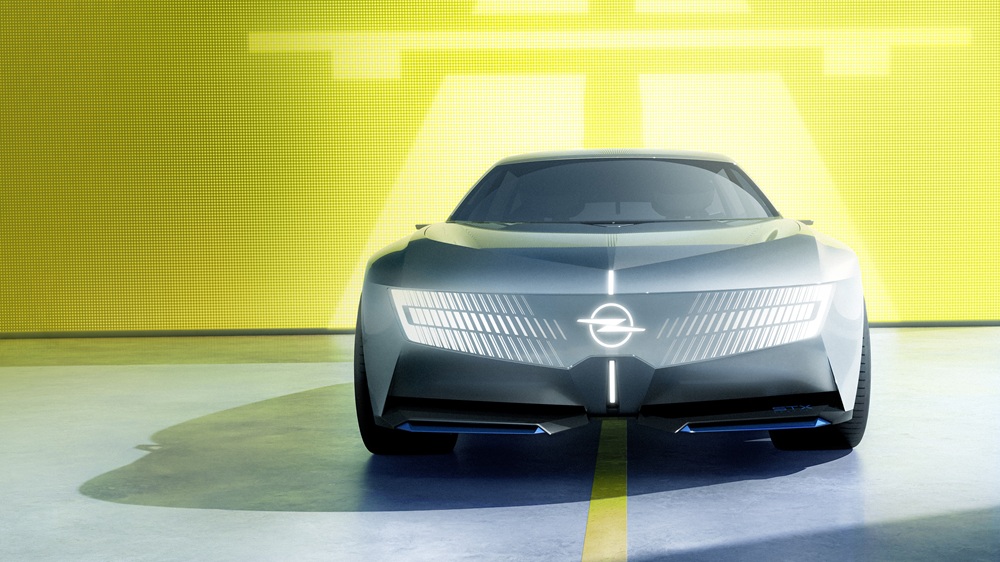
On October 9, Stellantis unveiled the Opel Sports Tourer eXperimental (STX) Concept, offering a preview of the brand's future estate cars and styling elements intended for future production models. The concept combines an advanced electric platform with all-wheel drive and a top speed exceeding 200 km/h, reflecting Opel's effort to balance efficiency, performance, and driving enjoyment in electric vehicles. Its exterior introduces an updated Opel Vizor front design, animated lighting elements, and a more prominent vertical Opel Compass. A clean, sloping rear also points toward the brand's next-generation design direction. The concept emphasizes aerodynamic efficiency and a sporty appearance while presenting design features that could influence upcoming production vehicles.
Opel STX Concept Combines Electric Performance With Aerodynamic Styling
The Opel STX Concept has a low, aerodynamic profile finished in silver and blue, with its proportions designed to support efficiency and stability at high speeds. Sculpted bodywork, short overhangs, and wide wheel arches contribute to its sporty appearance, while an active aerodynamic system incorporates movable rear elements intended to reduce air resistance and improve stability. The electric platform and all-wheel-drive configuration complement a stated top speed of more than 200 km/h. Together, these features illustrate Opel's approach to combining performance with aerodynamic development in future electric vehicles. Stellantis has presented the concept as a design preview, and the announcement does not confirm that every feature will appear unchanged in a production model.
Opel Vizor Front Design Introduces Updated Brand Styling
The STX Concept develops Opel's Vizor front design with animated lighting and a more prominent vertical Opel Compass element. These details establish a distinctive front appearance while signaling how the brand intends to evolve its visual identity. At the rear, the concept adopts a clean, sloping form that reinforces its aerodynamic profile and provides another indication of Opel's next-generation design language. The exterior combines these signature elements with sculpted surfaces, wide wheel arches, and compact overhangs. Although the vehicle previews styling intended to inform future estate cars, the announcement does not identify specific production models or confirm the timing of their introductions.
DS Automobiles Presents the DS F3VER Concept
Stellantis also presented the DS F3VER concept from DS Automobiles, highlighting a separate direction for the brand's future vehicle design. The concept emphasizes style, personalization, and practicality, with development carried out entirely in-house by DS design and engineering teams. Its dimensions are 4.19 meters long, 1.84 meters wide, and 1.46 meters tall, with a wheelbase of 2.70 meters. The vehicle provides 400 liters of boot capacity. Its design approach aims to improve efficiency while using fewer components, drawing on lighter structures, enhanced aerodynamics, cleaner surfaces, and improved perceived quality. These priorities shape both its exterior details and its broader development philosophy.
DS F3VER Uses Simplified Bodywork and Lightweight Design Elements
The DS F3VER concept applies its efficiency-focused design philosophy through integrated headlamps and daytime running lights, one-piece bumpers, and the removal of additional plastic trim around the wheel arches and lower body. These choices reduce visual complexity and support the concept's emphasis on using fewer components. Lightweight structures and improved aerodynamic performance are also central to its development approach, alongside a focus on perceived quality. Rather than relying on separate decorative elements, the concept integrates lighting and body features into a more unified exterior. The announcement presents these decisions as part of DS Automobiles' design direction, but it does not provide quantified weight savings, aerodynamic coefficients, or production specifications.
DS F3VER Lighting Combines Digital Branding With Lightweight Hardware
At the front, the DS F3VER features a vertical design element incorporating the DS emblem, complemented by Y-shaped lighting. The rear follows a related visual theme, using a digital DS logo and multidimensional lighting composed of 16 LED panels. These panels are mounted on a lightweight magnesium structure, connecting the concept's distinctive lighting signature with its emphasis on reducing component complexity and supporting efficient design. The integrated approach helps establish a recognizable identity at both ends of the vehicle. However, the announcement does not specify the lighting system's production readiness or whether the same hardware and design will be retained in a future showroom model.
Digital Design Tools and AI Support Stellantis Concept Development
Stellantis' latest digital design tools and artificial intelligence technologies also support the DS F3VER development process. Their use forms part of a wider design approach that prioritizes efficiency, cleaner surfaces, lighter structures, and fewer components. The concept was developed entirely in-house by DS design and engineering teams, according to the announcement. Digital tools and AI are identified as supporting technologies, but the source does not detail the specific applications, workflows, or measurable development benefits involved. The DS F3VER therefore demonstrates how Stellantis is presenting design methods alongside physical styling features, without establishing that every element shown is approved for production or will be introduced on a confirmed timetable.
Industry Impact & Outlook
The Opel STX and DS F3VER concepts illustrate two complementary design priorities within Stellantis: electric performance and aerodynamic development for Opel, alongside component simplification, personalization, and integrated lighting for DS Automobiles. For future production vehicles, these approaches could help shape how styling, efficiency, and perceived quality are balanced, although the concepts do not confirm specific production specifications or launch dates. Opel's active aerodynamic elements and electric all-wheel-drive configuration highlight the relationship between exterior design and vehicle performance, while DS's lightweight magnesium lighting structure demonstrates a more integrated approach to design hardware. The next meaningful development will be determining which concept features, if any, carry over to production models.
Frequently Asked Questions
What is the Opel STX Concept?
The Opel STX Concept is an electric estate-car concept unveiled by Stellantis on October 9 to preview Opel's future design direction. Its full name is Opel Sports Tourer eXperimental, and it introduces styling elements intended to inform future production models. The concept combines an advanced electric platform with all-wheel drive and a top speed exceeding 200 km/h. Its exterior features an updated Opel Vizor front design, animated lighting, and a more prominent vertical Opel Compass. The announcement does not confirm when a production vehicle based on the concept might arrive.
What performance and aerodynamic features does the Opel STX Concept have?
The Opel STX Concept combines an advanced electric platform with all-wheel drive and a stated top speed of more than 200 km/h. Its low, aerodynamic shape is designed to support efficiency and stability at high speeds. Sculpted bodywork, short overhangs, and wide wheel arches contribute to its sporty appearance, while movable rear elements form part of an active aerodynamic system intended to reduce air resistance and improve stability. Stellantis has not provided a specific power output, battery capacity, driving range, or aerodynamic coefficient in the supplied announcement.
What is the DS F3VER concept?
The DS F3VER is a concept from DS Automobiles that showcases the brand's future design direction through style, personalization, and practicality. Developed entirely in-house by DS design and engineering teams, it emphasizes efficiency, lighter structures, improved aerodynamics, cleaner surfaces, and fewer components. The concept measures 4.19 meters in length, 1.84 meters in width, and 1.46 meters in height, with a 2.70-meter wheelbase. Its boot provides 400 liters of capacity. The announcement does not specify a production date or confirm that the concept's features will appear unchanged in a future vehicle.
What are the dimensions and cargo capacity of the DS F3VER?
The DS F3VER concept measures 4.19 meters long, 1.84 meters wide, and 1.46 meters tall, with a wheelbase measuring 2.70 meters. Its boot offers 400 liters of cargo capacity, providing a specific measure of its practical storage provision. These dimensions accompany a design approach focused on efficiency, simplified bodywork, and improved perceived quality. The concept incorporates integrated headlamps, daytime running lights, and one-piece bumpers while eliminating additional plastic trim around the wheel arches and lower body. The announcement does not provide further luggage-layout details or production-vehicle measurements.
How does the DS F3VER concept simplify exterior design?
The DS F3VER simplifies its exterior through integrated headlamps and daytime running lights, one-piece bumpers, and the removal of extra plastic trim around the wheel arches and lower body. Its development philosophy also emphasizes lighter structures, improved aerodynamics, cleaner surfaces, and better perceived quality. These choices are intended to improve efficiency while reducing the number of components used in the design. The concept's front and rear lighting integrate brand-specific visual elements into the bodywork. Stellantis has not provided quantified component reductions or confirmed whether the complete design approach will be transferred to production models.
What makes the DS F3VER lighting design distinctive?
The DS F3VER features a vertical front design element incorporating the DS emblem, complemented by Y-shaped lighting. At the rear, a digital DS logo and multidimensional lights create a related design signature. The rear lighting consists of 16 LED panels mounted on a lightweight magnesium structure, connecting the visual treatment with the concept's focus on lightweight engineering and integrated components. The announcement identifies these as concept features but does not specify their final production configuration, technical performance, or manufacturing costs. Their presence demonstrates the design direction DS Automobiles is exploring for future vehicles.
How are digital tools and artificial intelligence used in the DS F3VER development process?
Stellantis says its latest digital design tools and artificial intelligence technologies support development of the DS F3VER concept. The vehicle was developed entirely in-house by DS design and engineering teams, with the broader design approach emphasizing efficiency, lighter structures, improved aerodynamics, and fewer components. The announcement does not identify particular AI applications, describe the software used, or quantify any reductions in development time or cost. It therefore establishes that digital tools and AI form part of the concept's development process without specifying their individual contributions or confirming how these methods will be applied to production vehicles.
Click above to visit the official source.
Discussion
Join the conversation.