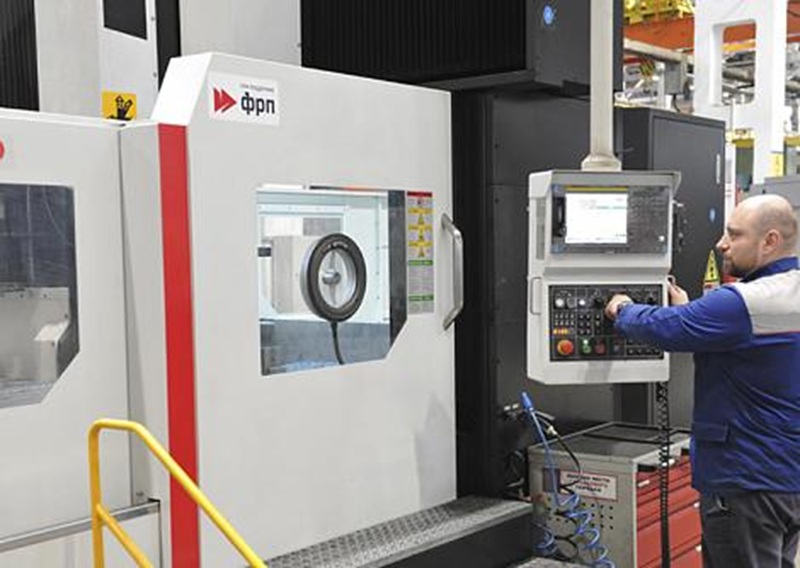
- Nizhny Novgorod tooling production capacity rose 1.7 times.
- Cold stamping and casting tooling capacity increased 25%.
- The plant can produce 25,000 hot stamping tools annually.
Nizhny Novgorod Plant Expands Automotive Tooling Production Capacity
On October 8, the Nizhny Novgorod stamp and press mold plant announced a major expansion of its automotive tooling manufacturing capacity. The facility increased its hot stamping tooling production capacity by 1.7 times and expanded its capacity for cold stamping and non-ferrous metal casting tooling by 25%. These tools are primarily used to manufacture commercial vehicle parts. The expansion strengthens the plant's ability to produce tooling for automotive components while increasing its manufacturing capacity across several processes used to form metal parts and produce cast components.
Investment Exceeds RUB 1.1 Billion
The production expansion required an investment of more than RUB 1.1 billion, supported partly by preferential financing from the Industrial Development Fund (IDF). The fund provided a loan of RUB 933 million through its Development Projects program. The financing was used to purchase modern manufacturing equipment, including milling, turning, and grinding machines, together with a five-axis vertical milling machine. These equipment purchases formed part of the plant's capacity expansion, providing additional manufacturing resources for its stamping and casting tooling operations. The announced investment and loan figures establish the financial scale of the modernization project without specifying the breakdown of expenditure across individual machines.
Hot Stamping Tooling Capacity Reaches 25,000 Units Annually
The equipment upgrade enabled the Nizhny Novgorod stamp and press mold plant to increase its hot stamping tooling production capacity to as many as 25,000 units annually. The company manufactures hot and cold stamping dies used to produce automotive body panels, frames, brackets, and other components. Its product range also includes molds for casting non-ferrous metal parts, including aluminum components used in engines, gearboxes, and suspension systems. By expanding capacity across these tooling categories, the plant is increasing its production capabilities for equipment used in multiple automotive component manufacturing processes, with commercial vehicle parts identified as the primary application of its tooling.
Industry Impact & Outlook
The expansion increases the plant's capacity to supply tooling for automotive component manufacturing, particularly applications associated with commercial vehicles. Its higher hot stamping output and expanded cold stamping and non-ferrous casting tooling capabilities could provide manufacturers with greater access to production tooling across body structures, brackets, engines, gearboxes, and suspension systems. The investment also demonstrates the role of preferential financing in supporting industrial equipment modernization through the IDF's Development Projects program. The announcement does not establish future customer demand, additional employment, or changes in vehicle production volumes. The project's practical significance will therefore depend on how effectively the expanded manufacturing capacity is utilized to meet requirements for automotive tooling.
Frequently Asked Questions
How much did the Nizhny Novgorod plant increase its hot stamping tooling capacity?
The Nizhny Novgorod stamp and press mold plant increased its hot stamping tooling production capacity by 1.7 times following its manufacturing equipment upgrade. The expanded facility can produce up to 25,000 hot stamping tools annually. These tools support the production of automotive components, particularly parts for commercial vehicles. The announcement identifies the increased production capacity as an outcome of the modernization project. It does not specify the plant's previous annual output or provide actual production figures following the expansion.
How much was invested in the tooling production expansion?
The plant's production expansion involved an investment exceeding RUB 1.1 billion, including preferential financing from the Industrial Development Fund. The IDF provided a loan of RUB 933 million through its Development Projects program. The loan supported purchases of modern manufacturing equipment, including milling, turning, and grinding machines, as well as a five-axis vertical milling machine. The announced figures distinguish the overall investment from the specific loan amount. The source does not provide a detailed breakdown of the total expenditure or identify the cost of each machine.
What automotive components are supported by the plant's tooling products?
The plant manufactures tooling used to produce automotive body panels, frames, brackets, and other components, alongside molds for non-ferrous metal casting. Its casting molds support the production of parts made from materials including aluminum. The resulting components are used in engines, gearboxes, and suspension systems. The company also identifies commercial vehicle parts as the primary application of its tooling products. Its expanded capacity covers hot stamping tooling, cold stamping tooling, and non-ferrous metal casting tooling, although the announcement does not provide production volumes for individual component categories.
Click above to visit the official source.
Discussion
Join the conversation.