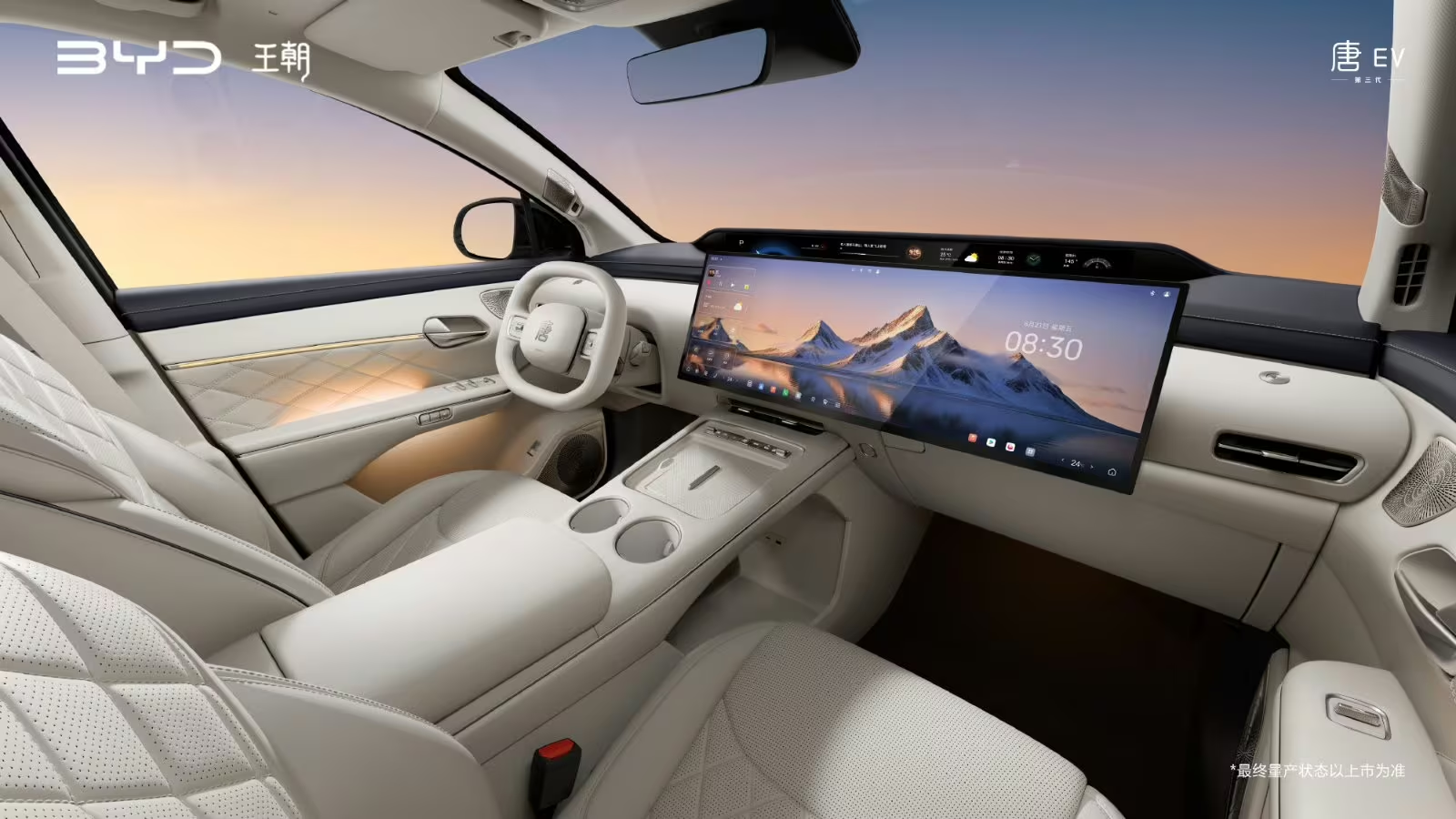
- BYD Tang reveals its technology-focused interior.
- Third-generation Tang offers up to 850 km CLTC.
- Rear legroom exceeds 1,000 mm in the SUV.
BYD Tang Interior Revealed Ahead of Fourth-Quarter Launch
BYD has revealed the interior of the third-generation Tang, providing additional details about the five-seat SUV ahead of its planned fourth-quarter launch. Lu Tian, general manager of BYD's Dynasty lineup, said the cabin design draws inspiration from spaceship control consoles featured in science-fiction movies. The model is positioned as the technology-focused 8-series flagship of the Dynasty lineup and is designed around flexible cabin use. The interior is offered in Dune Beige and Amber Brown, while the cabin combines large digital displays with an emphasis on rear-passenger space.
Large Displays Replace Traditional Driver Interfaces
The third-generation Tang features a 35.4-inch integrated far-side display and a 30-inch panoramic screen, replacing the traditional instrument cluster and head-up display. This configuration gives the five-seat SUV a distinctly technology-focused cabin and forms a central element of its redesigned interior. The new layout is part of a broader effort to differentiate the model as a flagship within the Dynasty lineup. Rather than relying on a conventional instrument arrangement, the vehicle uses its large integrated screens to provide a more expansive digital interface for occupants while maintaining the spacious cabin configuration.
Rear Passenger Space Gets Stronger Focus
Rear-seat comfort is another major focus of the redesigned cabin. Second-row legroom exceeds 1,000 mm, while the seats can recline to a maximum angle of 130 degrees. These dimensions underline the five-seat model's emphasis on providing substantial space for rear passengers rather than maximizing seating capacity. The flexible cabin is intended to accommodate different travel needs, according to Lu Tian. Combined with the two available interior color themes and the large display arrangement, the additional rear-seat space gives the third-generation Tang a cabin designed around both passenger comfort and technology.
Third-Generation Tang Brings New Charging Technology
The third-generation Tang measures 5,045 mm in length, 1,980 mm in width and 1,760 mm in height, with a 2,950 mm wheelbase. The midsize-to-large five-seat SUV uses BYD's second-generation Blade Battery and flash charging technology, with a maximum CLTC range of up to 850 kilometers. At normal temperatures, charging from 10% to 70% takes about five minutes, while charging to 97% takes about nine minutes. These specifications position charging speed and long driving range among the key technical features of the updated SUV.
Advanced Driver Assistance Comes Standard
All variants of the third-generation Tang come standard with the God's Eye B driver-assistance system and the DiSus-A intelligent air body control system. The combination adds advanced driver assistance and electronically controlled body-management technology to the model's standard equipment. The third-generation Tang will also join the 9-series Da Tang, which was launched in June, as part of a dual-flagship SUV strategy within the Dynasty lineup. The new model's dimensions, technology content and five-seat configuration broaden the range of products positioned at the upper end of the Dynasty SUV family.
BYD Uses New Tang Models to Refresh the Lineup
The interior reveal continues the promotional rollout for the third-generation Tang that began with its debut at the Chengdu Auto Show on August 21. The refresh comes as China-market sales of the Tang family have weakened significantly. The series sold 81,614 vehicles from January through August this year, representing a 49.87% decline from the same period a year earlier. The launches of the Da Tang and third-generation Tang are intended to broaden the family's coverage of the large SUV market. Together, the two models represent a substantial update to a product line that previously lacked major new developments.
Industry Impact & Outlook
The third-generation Tang gives BYD a more technology-focused flagship SUV while expanding the Dynasty lineup's coverage of the large SUV segment. Its combination of a five-seat cabin, high-capacity battery, rapid charging, standard driver assistance and electronically controlled air suspension creates a broader package for buyers seeking both space and advanced vehicle technology. The model's launch is particularly significant because the Tang family has experienced a sharp year-over-year sales decline, making the refreshed products important to the lineup's ability to regain market momentum. The fourth-quarter launch and performance of the updated models will indicate whether the expanded Dynasty SUV range can improve the family's position in China's competitive large-SUV market.
Frequently Asked Questions
What are the main interior features of the third-generation Tang?
The third-generation Tang combines large digital displays, extensive second-row space, reclining seats, and a flexible five-seat cabin designed for different travel needs. The SUV has a 35.4-inch integrated far-side display and a 30-inch panoramic screen that replace the traditional instrument cluster and head-up display. Second-row legroom exceeds 1,000 mm, while the seats can recline up to 130 degrees. The interior is available in Dune Beige and Amber Brown, reinforcing the model's technology-focused flagship positioning within the Dynasty lineup.
Click above to visit the official source.
Discussion
Join the conversation.