Quick Takeaways
- ADM Group NEV CKD plant marks a key step toward localized electric and hybrid vehicle manufacturing.
- The new facility is designed to support full-cycle EV assembly with modern small-scale production capabilities.
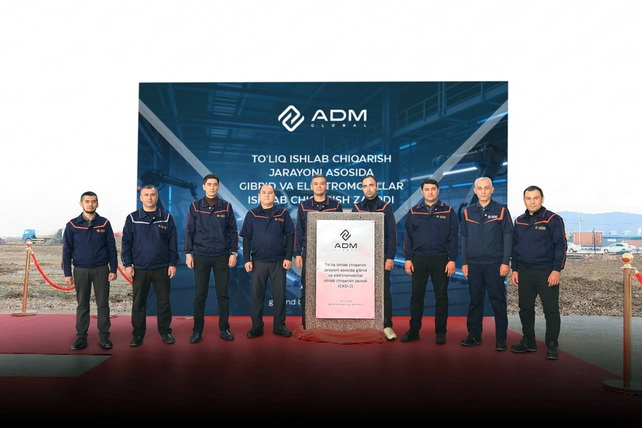
On January 15, ADM Group announced that the ADM Jizzakh plant, part of the ADM group of companies, began construction of a new CKD facility in December 2025. The ADM Group NEV CKD plant will focus on assembling new energy vehicles, including electric cars and hybrid models, supporting the company’s expansion in advanced automotive manufacturing.
The new facility is planned to assemble NEV models from international brands through a complete production cycle. This includes welding, painting, and final assembly, enabling higher localization levels while strengthening regional manufacturing capabilities. The ADM Group NEV CKD plant is positioned to play a strategic role in meeting rising demand for electrified mobility solutions.
By implementing full-cycle manufacturing processes, the plant aims to enhance operational efficiency and quality control. Localization across core production stages is expected to contribute to supply chain resilience while supporting broader industrial development linked to electric vehicle assembly and hybrid vehicle production.
The CKD plant will be equipped with modern equipment specifically designed for small-scale assembly of electric vehicles. This setup allows flexibility in handling multiple NEV platforms while maintaining technical accuracy and production consistency for both electric cars and hybrid models.
With construction underway, the ADM Group NEV CKD plant reflects a focused investment in NEV manufacturing infrastructure. The project underscores ADM Group’s intent to strengthen its position in electric vehicle assembly and support the gradual transition toward new energy mobility, based on an ADM Group press release."
The new facility is planned to assemble NEV models from international brands through a complete production cycle. This includes welding, painting, and final assembly, enabling higher localization levels while strengthening regional manufacturing capabilities. The ADM Group NEV CKD plant is positioned to play a strategic role in meeting rising demand for electrified mobility solutions.
By implementing full-cycle manufacturing processes, the plant aims to enhance operational efficiency and quality control. Localization across core production stages is expected to contribute to supply chain resilience while supporting broader industrial development linked to electric vehicle assembly and hybrid vehicle production.
The CKD plant will be equipped with modern equipment specifically designed for small-scale assembly of electric vehicles. This setup allows flexibility in handling multiple NEV platforms while maintaining technical accuracy and production consistency for both electric cars and hybrid models.
With construction underway, the ADM Group NEV CKD plant reflects a focused investment in NEV manufacturing infrastructure. The project underscores ADM Group’s intent to strengthen its position in electric vehicle assembly and support the gradual transition toward new energy mobility, based on an ADM Group press release."
Company Press Release
Click above to visit the official source.
Discussion
Join the conversation.
Share: