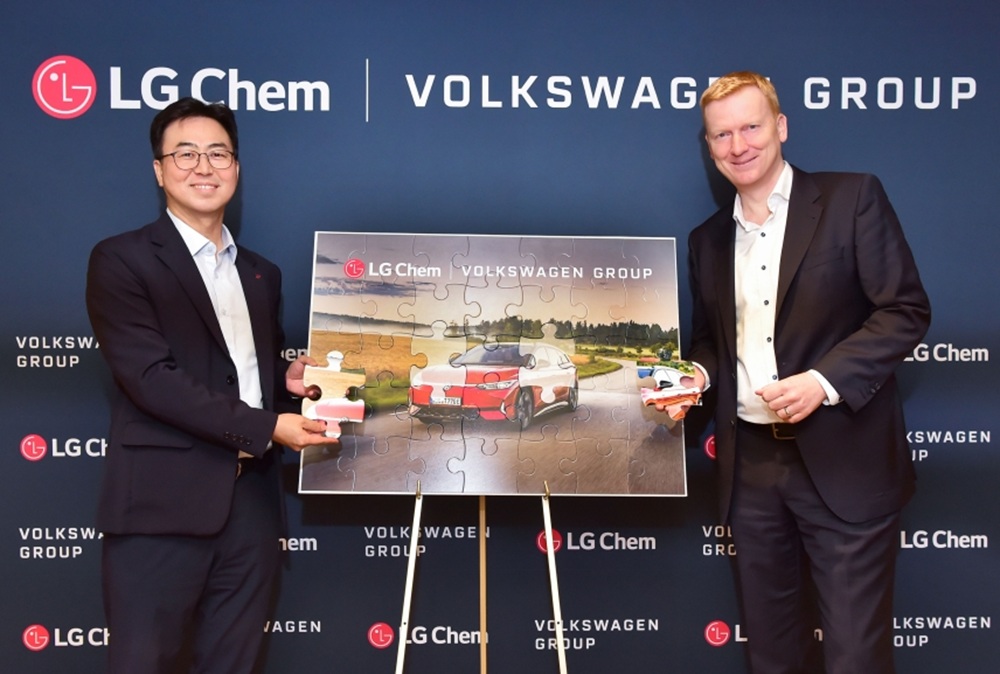
- LG Chem Volkswagen Group sustainable materials partnership targets lighter vehicles.
- ABS and engineering plastics support durable vehicle applications.
- PCR materials will be explored for vehicle parts.
On September 28, LG Chem and Volkswagen Group signed a memorandum of understanding to collaborate on lightweight and sustainable materials for future vehicles. The LG Chem Volkswagen Group sustainable materials partnership is intended to expand the use of eco-friendly mobility materials while supporting new automotive applications. The companies will focus on next-generation plastics and composite materials designed to reduce vehicle weight and improve performance. The collaboration also creates a framework for research and development activities, application testing, and information sharing related to automotive material technologies and global industry developments.
Focus on Lightweight Automotive Materials
The collaboration will concentrate on next-generation plastics and composite materials that can contribute to lower vehicle weight and improved performance. LG Chem will provide ABS and engineering plastics, materials identified for their impact resistance, durability, and ease of processing. These properties make them relevant to vehicle applications where material performance and manufacturing practicality are important considerations. The companies will work together on research and development activities to assess materials for specific vehicle applications, creating an opportunity to evaluate their suitability within future vehicle programs while maintaining the partnership’s focus on lightweight and sustainable material solutions.
Expanded Use of Recycled Materials
Another area of the agreement involves exploring a broader use of post-consumer recycled materials in vehicle components. LG Chem and Volkswagen Group will examine cost-effective solutions for interior and exterior parts, with the objective of supporting more sustainable material choices across relevant applications. The work is not limited to recycled content, as the partnership also covers the development and evaluation of plastics and composite materials for future vehicle needs. By combining material development with application-specific testing, the companies can assess how different solutions perform against the requirements of individual vehicle components.
Joint Research and Technology Exchange
The memorandum also establishes cooperation around research and development projects, including testing materials for specific vehicle applications. The companies will share information covering technology trends and global developments in automotive materials, allowing their collaboration to address evolving material requirements. This technical exchange complements the development work by connecting material research with application testing and broader industry developments. The agreement therefore covers both practical evaluation and information sharing, with the stated objective of advancing lightweight and sustainable material solutions for future vehicles while supporting the companies’ respective automotive material and vehicle-development activities.
LG Chem’s Automotive Materials Business
For LG Chem, the partnership also supports efforts to expand its automotive ABS and engineering plastics business. ABS is described in the source article as a high-value-added synthetic resin, while engineering plastics provide material characteristics suited to demanding automotive applications. The collaboration gives LG Chem an opportunity to work directly on material development and testing for vehicle applications involving Volkswagen Group. The focus on lightweight materials, sustainable solutions, and broader use of post-consumer recycled materials aligns the company’s material portfolio with the specific areas identified in the agreement, while keeping application testing and technical cooperation central to the work.
Industry Impact & Outlook
The agreement could strengthen collaboration between a major materials supplier and an automotive group around lightweight plastics, composites, and recycled materials. Its practical significance will depend on the results of joint R&D and application testing, particularly for interior and exterior vehicle parts where material performance, processing, durability, cost, and sustainability requirements must be considered together. For LG Chem, the work provides a pathway to deepen its automotive ABS and engineering plastics business, while Volkswagen Group can evaluate additional material solutions for future vehicles. The next steps will center on research projects, testing, technology exchange, and assessment of specific applications.
Frequently Asked Questions
What will LG Chem and Volkswagen Group develop together?
The companies will collaborate on lightweight and sustainable automotive materials, including next-generation plastics and composite materials for future vehicle applications. Their work will also examine broader use of post-consumer recycled materials and cost-effective solutions for interior and exterior parts. LG Chem will provide ABS and engineering plastics, while both companies will conduct research and development projects, test materials for specific vehicle applications, and exchange information on automotive material technology trends and global developments. The agreement also supports LG Chem’s efforts to expand its automotive ABS and engineering plastics business.
Click above to visit the official source.
Discussion
Join the conversation.