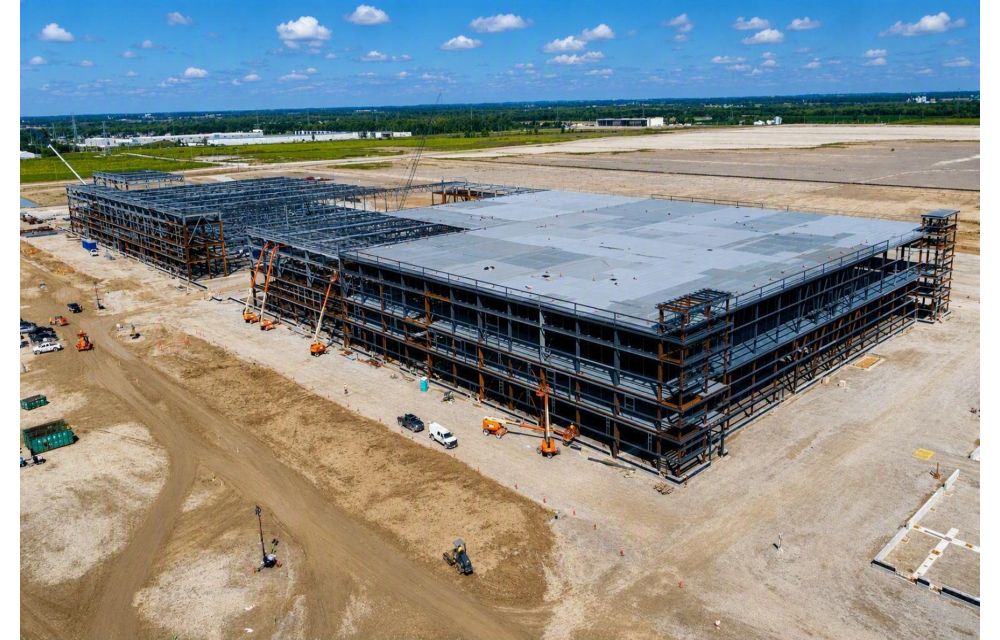
- PowerCo Canada St Thomas battery plant delayed to 2029.
- EllisDon will lead construction as general contractor.
- The CAD 7-billion project retains future scaling flexibility.
PowerCo Canada Selects EllisDon for St. Thomas Gigafactory
On September 24, PowerCo Canada announced that Canadian construction firm EllisDon Corporation has been selected as the general contractor for its St. Thomas battery gigafactory in Ontario. The appointment marks the project's progression into its next phase of construction as work continues on the first stage of development. PowerCo is simultaneously adjusting the project's timeline and product strategy in response to changing market demand, technological advancements, and Volkswagen's long-term strategy. The company now expects the St. Thomas facility to begin operations in 2029, two years later than its original target, allowing the project to accommodate next-generation battery technology.
St. Thomas Plant Timeline Moves to 2029
The St. Thomas battery facility was originally scheduled to begin operations in 2027, but PowerCo has moved the expected start date to 2029. The revised timeline is intended to provide additional flexibility as the company aligns the plant with evolving market conditions and advances in battery technology. PowerCo has indicated that the project will retain the ability to scale production over time, allowing future development to respond to changes in demand. The timing adjustment comes as automakers operating in Ontario have also modified their electric vehicle production plans amid shifts in market demand, creating a broader industry context for the revised construction and production schedule.
Construction Focuses on Core Infrastructure
Current construction activity at the St. Thomas site is concentrated on the first phase of development and the infrastructure required to support future battery production. Work includes the shell of the production building, along with mechanical, electrical, and plumbing installations. The project also includes energy and utility systems and other supporting site services needed for the eventual manufacturing operation. These activities establish the core physical and utility infrastructure for the facility while preserving the project's ability to expand as required. The selection of EllisDon as general contractor provides a defined construction leadership structure as PowerCo advances this phase of the gigafactory development.
CAD 7-Billion Project Includes Major Subsidy Commitment
The St. Thomas facility was first announced in 2023 as a CAD 7-billion project, with a commitment of up to CAD 13 billion in subsidies from the Canadian federal government. The project subsequently reached its groundbreaking ceremony in 2025 before moving into its current construction phase. The scale of the investment and associated government support reflects the planned importance of the facility within PowerCo's battery manufacturing strategy. With the operating timeline now shifted from 2027 to 2029, the project is being developed against a changed market environment while maintaining the infrastructure work required for eventual battery production at the Ontario site.
Technology and Market Demand Shape Project Strategy
PowerCo's revised schedule is tied to two major considerations identified by the company: changing market demand and technological development. Delaying operations gives the St. Thomas project additional time to incorporate next-generation battery technology into its product strategy while maintaining flexibility around future production levels. The company is also aligning the facility with Volkswagen's longer-term strategy rather than proceeding solely according to the original 2027 target. This approach means the construction program continues while the timing and product strategy evolve. The result is a project schedule designed around the changing requirements identified by PowerCo rather than the original launch date alone.
Ontario EV Production Changes Provide Market Context
The revised St. Thomas timeline comes as automakers across Ontario have adjusted electric vehicle production plans in response to changes in demand. Those market adjustments provide context for PowerCo's decision to align the battery facility's operating schedule and product strategy with current conditions. The company has not abandoned the project; construction of the first phase and supporting infrastructure is continuing, while the expected start of operations has moved to 2029. PowerCo also plans to preserve the ability to scale the facility over time, giving the project room to respond to future market conditions while incorporating the battery technology planned for the next stage of its development.
Industry Impact & Outlook
PowerCo's St. Thomas project demonstrates how battery manufacturing investments can be adjusted as automakers respond to market demand and advancing technology without stopping underlying construction activity. For the Canadian automotive sector, the project remains a major planned battery manufacturing facility, while the shift to 2029 changes the timing of its expected production contribution. The use of next-generation battery technology could also influence the facility's eventual product strategy, although PowerCo has not provided further product details in the announcement. The immediate next steps are continued first-phase construction and infrastructure development, followed by progress toward an operating model that can scale with market conditions.
Frequently Asked Questions
When is PowerCo's St. Thomas battery plant expected to begin operations?
PowerCo now expects the St. Thomas battery facility to begin operations in 2029, two years later than its original 2027 target. The revised timeline is intended to accommodate next-generation battery technology and align the project with changing market demand and Volkswagen's long-term strategy. Construction is continuing on the first phase, including the production-building shell, mechanical, electrical and plumbing systems, energy and utility infrastructure, and supporting site services. The project is also designed to retain flexibility for future production scaling as market conditions evolve.
Click above to visit the official source.
Discussion
Join the conversation.