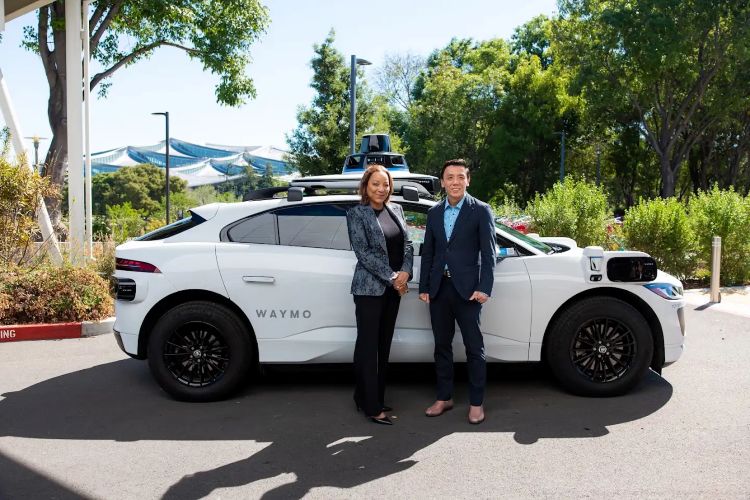
- Waymo Singapore targets a 2028 public launch.
- Initial Jaguar I-PACE vehicles arrive in coming months.
- Manual driving preparations are planned throughout 2027.
Announced on September 17, 2026, Waymo plans to establish operations in Singapore ahead of a planned 2028 launch of its fully autonomous, all-electric ride-hailing service. The company intends to operate the service through the Waymo app in cooperation with Singapore’s Ministry of Transport and Land Transport Authority. The planned expansion represents the company’s preparation for operating its autonomous driving technology in a new local environment. The service remains subject to necessary preparations and regulatory approvals before it is opened to the public.
Waymo Prepares Initial Singapore Fleet
The company said it will bring an initial fleet of all-electric Jaguar I-PACE vehicles to Singapore in the coming months. These vehicles are expected to support the preparation phase before the planned public launch. The deployment will give Waymo an initial operating presence while its autonomous driving specialists work toward adapting the Waymo Driver to Singapore’s specific road environment. The use of an all-electric vehicle fleet also remains consistent with the planned structure of the ride-hailing service, which is intended to operate entirely with electric vehicles.
Manual Driving Preparations Begin in 2027
During 2027, trained autonomous specialists are expected to conduct manual driving as part of the preparation process. The work is intended to help adapt the Waymo Driver to local road conditions, including Singapore’s road layouts and monsoon weather. This preparation phase is designed to provide the company with operational experience in the local environment before autonomous service begins. The planned 2028 public launch will follow these preparations, along with the regulatory approvals required for the service to operate.
Service Will Complement Public Transportation
According to Waymo, the planned service is intended to support Singapore’s existing public transportation system rather than operate independently of it. The company expects the autonomous vehicles to provide first- and last-mile connections, addressing transportation needs between public transit services and passengers’ starting or ending points. This planned role places the service within Singapore’s broader transportation network and gives the autonomous ride-hailing operation a defined function connected to existing public transport infrastructure.
Autonomous Vehicles Will Monitor Road Users
The vehicles are expected to use lidar, radar, and cameras to monitor their surroundings during autonomous operation. These sensing systems are intended to detect and track road users and environmental conditions around the vehicle, including pedestrians and cyclists. The planned deployment will therefore require the Waymo Driver to operate within Singapore’s local road environment while responding to the conditions identified through these vehicle sensors. Adaptation to local road layouts and monsoon weather is specifically included in the company’s preparation plans before the public service begins.
Regulatory Approval Remains Part of the Launch Process
The planned 2028 opening is not presented as an unconditional launch date because the service must complete the necessary preparations and obtain regulatory approvals. Waymo plans to work with Singapore’s Ministry of Transport and Land Transport Authority as it prepares the operation. The regulatory process will therefore form part of the transition from vehicle deployment and manual-driving preparation to public autonomous ride-hailing. Until those preparations and approvals are completed, the planned service remains a future deployment rather than an operating public transportation option.
Industry Impact & Outlook
The planned expansion gives Singapore a defined role in Waymo’s international autonomous ride-hailing plans while creating a preparation period focused on local road conditions and regulatory requirements. For the automotive and mobility sectors, the development highlights the importance of adapting autonomous driving systems to specific markets rather than relying on a uniform operating environment. The next major steps are the arrival of the initial electric fleet, 2027 manual-driving preparations, adaptation of the Waymo Driver, and completion of regulatory requirements before the planned 2028 public launch.
Frequently Asked Questions
When is Waymo planning to launch its autonomous ride-hailing service in Singapore?
Waymo is planning to open its fully autonomous, all-electric ride-hailing service to the public in 2028, following local preparations and required regulatory approvals. The company plans to establish operations ahead of that target and bring an initial fleet of all-electric Jaguar I-PACE vehicles to Singapore in the coming months. During 2027, trained autonomous specialists are expected to conduct manual driving to help adapt the Waymo Driver to local road layouts and monsoon weather before the planned public launch.
How will the planned service support Singapore’s transportation system?
The planned service is intended to complement Singapore’s existing public transportation network by providing first- and last-mile connections for passengers. Its vehicles are expected to operate through the Waymo app in cooperation with the Ministry of Transport and Land Transport Authority. The autonomous vehicles will use lidar, radar, and cameras to monitor surrounding road users, including pedestrians and cyclists. The deployment will proceed after the company completes its preparation activities and receives the regulatory approvals required for public operation.
Click above to visit the official source.
Discussion
Join the conversation.