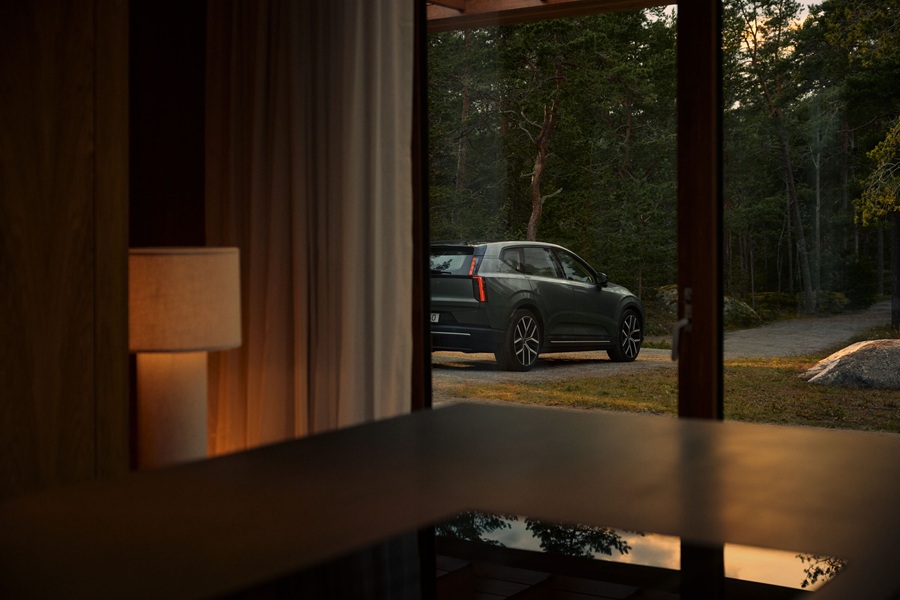
- Volvo Cars new models 2030 plan targets 13 vehicles.
- Seven models are planned for Western markets.
- Six China models will involve Geely collaboration.
Volvo Cars Plans 13 New Models Globally by 2030
On September 17, Volvo Cars announced its Volvo Cars new models 2030 plan, which calls for 13 all-new models to be launched globally by the end of the decade. The company described the program as its largest and most ambitious product expansion. Seven models are planned for Western markets, while six are intended for China. The expanded lineup will include electrified vehicles, covering both all-electric models and third-generation hybrids. Volvo Cars also plans to introduce a new design direction and broaden its overall product range.
Expanded Portfolio Targets Market Growth
The product expansion is intended to support Volvo Cars' goal of doubling its market share by strengthening its presence in the battery electric vehicle segment while also addressing customers who remain reluctant to adopt fully electric vehicles. Third-generation hybrid models are expected to provide another electrified option within the expanded portfolio. The company expects the new models to contribute to long-term growth and support its financial objective of achieving an EBIT margin above 8%. Further details about the broader product strategy are scheduled to be presented during Volvo Cars' Strategy Update in Stockholm, Sweden.
New Software-Defined Vehicles Use Shared Architectures
For Western markets, the new software-defined and electric vehicles will use Volvo Cars' HuginCore computing platform together with the SPA2 and SPA3 architectures. The company says this approach will help reduce technology and manufacturing investment costs as it expands its product portfolio. The combination of software-defined vehicle technology and shared vehicle architectures is therefore a central part of the planned expansion. The program also connects the introduction of new models with efforts to manage the investment required to develop and manufacture a substantially larger range of vehicles.
Geely Partnership Supports China Expansion
For the Chinese market, Volvo Cars will work with Geely to develop new and electrified models. Under the partnership, the companies will share vehicle platforms, technology, parts, and supply chains. Volvo Cars says this collaboration is intended to reduce both development and production costs while supporting the introduction of additional models in China. The approach gives the Chinese portion of the product plan a shared-development structure, with common technical and supply-chain resources supporting the expanded lineup. The six planned China models therefore form a distinct part of the company's broader global expansion strategy.
Industry Impact & Outlook
The planned 13-model expansion gives Volvo Cars a broader product structure across battery electric and hybrid vehicles while connecting its Western and Chinese strategies to different development approaches. The use of HuginCore, SPA2, and SPA3 is intended to limit technology and manufacturing investment costs, while the Geely partnership provides shared platforms, technology, parts, and supply chains for China. The key next step is the Strategy Update in Stockholm, where additional details are expected. The program's impact will depend on how effectively the new models expand market presence while supporting the company's stated financial objectives.
Frequently Asked Questions
How many new models does Volvo Cars plan to launch by 2030?
Volvo Cars plans to launch 13 all-new models globally by the end of 2030, representing the company's largest product expansion and covering Western markets and China. Seven of the planned models are intended for Western markets, while six are planned for China. The portfolio will include all-electric vehicles and third-generation hybrid models, alongside a new design direction. The company expects the expanded range to support market-share growth and its objective of achieving an EBIT margin above 8%. Additional details are expected at its Strategy Update in Stockholm, Sweden.
Click above to visit the official source.
Discussion
Join the conversation.