- Toyota Hydrogen Strategy 2026 expands heavy-duty partnerships.
- Third-generation fuel cells deliver twice the output.
- European LCV sales target reaches 200,000 units.
Toyota outlined the next phase of its hydrogen strategy at IAA Transportation 2026 in Hanover, Germany, on September 14, introducing new fuel cell technology and partnerships focused on heavy-duty commercial vehicles. The Toyota Hydrogen Strategy 2026 includes a third-generation fuel cell system designed to deliver twice the output and durability of its predecessor, while improving fuel efficiency by 20% and significantly reducing costs. The company is also expanding applications beyond heavy-duty trucks, with fuel cell technology planned for the Hilux and additional commercial vehicle programs. Alongside its hydrogen initiatives, Toyota highlighted new growth targets for its Toyota Professional business and its European light commercial vehicle lineup.
Third-Generation Fuel Cell System Advances
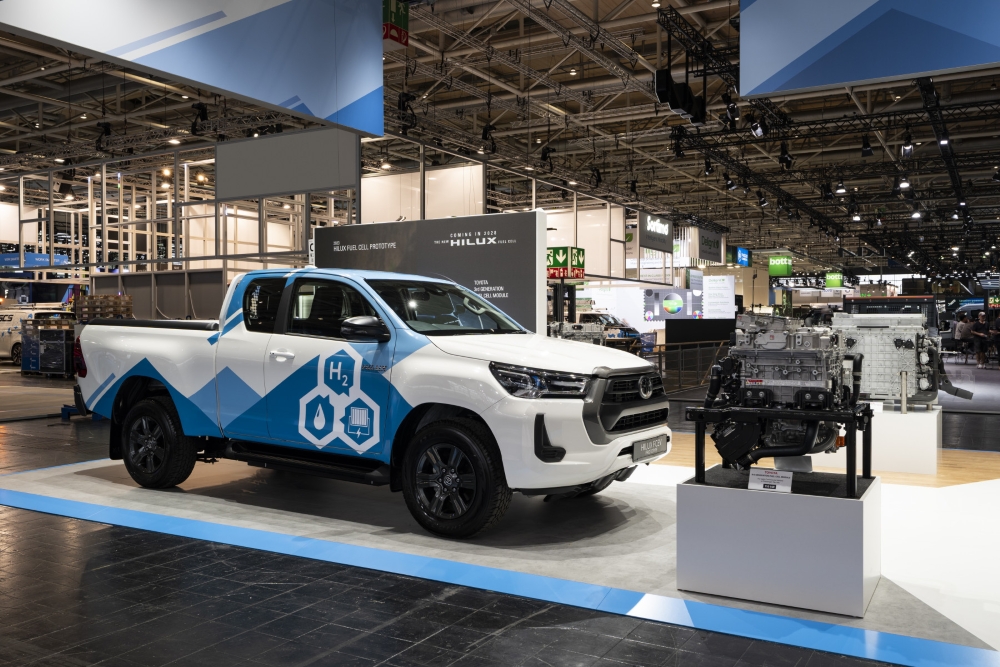
The third-generation fuel cell system represents a significant technical step in Toyota's hydrogen program. According to the company, the system provides twice the output and durability of the previous generation, while achieving 20% better fuel efficiency and significantly lower costs. These improvements are intended to strengthen the suitability of fuel cell technology for demanding commercial applications, where operating durability, efficiency, range, and system economics are important considerations. Toyota's focus on heavy-duty vehicles also positions the technology for applications requiring substantial power and extended operating capability. The development forms the technological foundation for the company's latest supply agreements and upcoming validation programs in Europe.
Scania Fuel Cell Truck Pilot Program
Toyota will supply Scania with compact 300-kW fuel cell systems for 40 heavy-duty trucks through its Pilot Partner program. Operations are expected to begin in the first quarter of 2027, creating a defined commercial vehicle application for Toyota's latest fuel cell technology. The program is focused specifically on heavy-duty trucks, where the combination of high output and durability is particularly relevant to demanding operating conditions. The planned deployment also gives Toyota an opportunity to advance practical fuel cell applications with an established commercial vehicle manufacturer. The 300-kW system specification remains central to this initial truck program.
IVECO S-eWay Fuel Cell Program
Toyota is also supplying 300-kW fuel cell systems for the IVECO S-eWay Fuel Cell, with the vehicle targeting more than 900 km of range and more than 25,000 operating hours. Validation is scheduled to begin in the fourth quarter of 2026, followed by road trials during the first half of 2027. The program provides another European heavy-duty application for Toyota's fuel cell technology and establishes a separate path for real-world testing. The combination of the targeted range and operating-hour objective highlights the intended use of the fuel cell system in long-distance commercial transportation. The validation and subsequent road trials will be important stages before broader operational deployment.
Hilux Fuel Cell Development
Toyota is extending its fuel cell strategy into a pickup application by planning to enter a fuel cell Hilux in the 2027 Dakar Rally. The motorsport program will precede a production Hilux Fuel Cell model targeted for 2028. Toyota has set a target of more than 400 km of WLTP range and a 2.5-tonne towing capacity for the production vehicle. The program therefore connects fuel cell development with a vehicle category requiring both practical utility and towing capability. The Dakar entry is planned ahead of the production model, making the 2027 competition program part of the development path toward the targeted 2028 Hilux Fuel Cell.
Toyota Professional Sets European LCV Targets
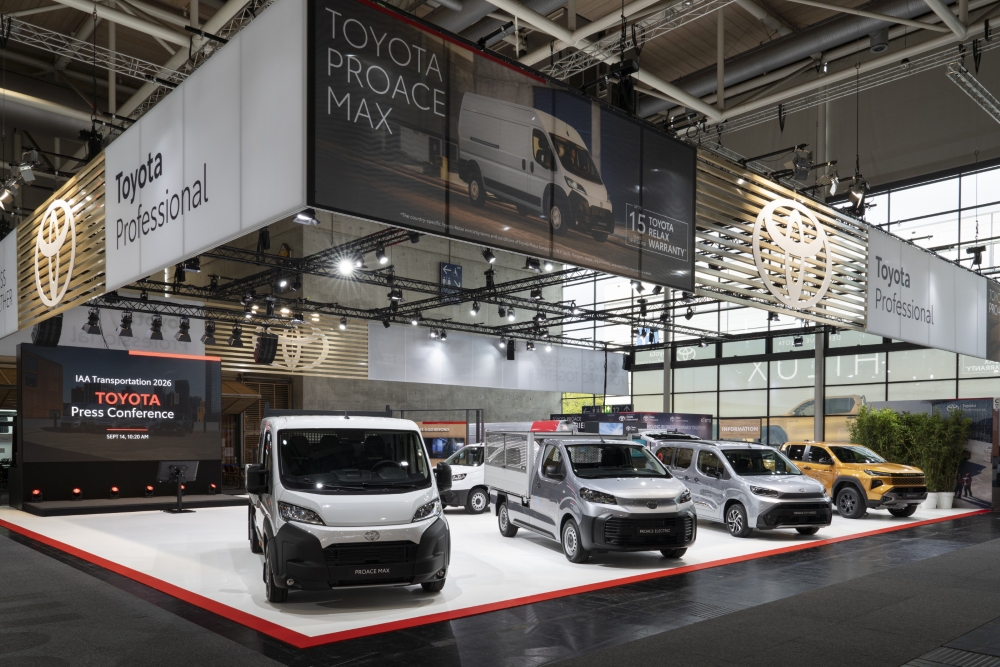
Beyond hydrogen technology, Toyota highlighted the growth strategy for its Toyota Professional business, including an expanded light commercial vehicle lineup and new sales and electrification targets through 2030. The company expects European LCV sales to exceed 165,000 units in 2026 and is targeting 200,000 units with an 8% market share by 2030. These objectives place commercial vehicles at the center of Toyota's broader European growth plans. The targets also connect sales expansion with electrification, while the company's hydrogen programs address selected heavy-duty applications. Together, the initiatives show Toyota pursuing multiple powertrain approaches across different commercial vehicle requirements rather than relying on a single technology.
Industry Impact & Outlook
Toyota's latest programs could strengthen the role of hydrogen fuel cells in European commercial transportation by moving the technology into defined truck supply, validation, road-trial, and future production programs. The Scania and IVECO initiatives provide separate heavy-duty applications, while the planned Hilux Fuel Cell extends the technology toward a utility-focused vehicle. For Toyota, progress will depend on how the new system performs against its targeted efficiency, durability, operating-hour, range, and cost improvements as testing advances. The 2027 truck operations and road trials, followed by the targeted 2028 Hilux production model, represent the clearest next milestones for evaluating the commercial significance of the strategy.
Frequently Asked Questions
What did Toyota announce about its hydrogen strategy in 2026?
Toyota announced new fuel cell technology and commercial vehicle partnerships at IAA Transportation 2026, including 300-kW systems for heavy-duty truck programs and plans for a fuel cell Hilux. The company's third-generation fuel cell system is designed to provide twice the output and durability of its predecessor, 20% better fuel efficiency, and significantly lower costs. Toyota is supplying systems to Scania and IVECO, with validation, road trials, and truck operations scheduled across 2026 and 2027. The company is also targeting a production Hilux Fuel Cell for 2028.
What are Toyota's European LCV sales targets?
Toyota expects European light commercial vehicle sales to exceed 165,000 units in 2026 as part of its Toyota Professional growth strategy. By 2030, the company aims to reach 200,000 units and an 8% market share while expanding its LCV lineup and pursuing electrification targets. These objectives complement Toyota's fuel cell initiatives for heavy-duty commercial vehicles and its broader commercial vehicle strategy in Europe. The targets indicate that Toyota is combining sales expansion with multiple electrification pathways across different commercial vehicle applications while developing new hydrogen-powered models and partnerships.
Click above to visit the official source.
Discussion
Join the conversation.