Quick Takeaways
- MAHLE fuel cell humidifier production is scheduled to commence in 2029, strengthening the company’s hydrogen mobility portfolio.
- The initiative reinforces MAHLE’s long-term commitment to advanced fuel cell technologies and skilled manufacturing.
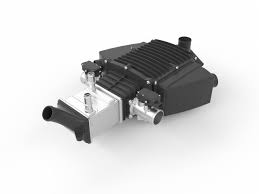
MAHLE GmbH confirmed plans to launch series manufacturing of a humidifier for fuel cell vehicles at its St. Michael ob Bleiburg facility, with production targeted to begin in 2029. The project reflects MAHLE’s strategic focus on hydrogen-based propulsion systems and next-generation automotive technologies.
Investment Strategy Supporting MAHLE Fuel Cell Humidifier Production
To enable MAHLE fuel cell humidifier production, the company will make targeted investments across multiple areas of the plant. These measures are intended to ensure readiness for high-quality, large-scale manufacturing while maintaining operational efficiency and workforce capability.
Key focus areas include:
Role of the Humidifier in Fuel Cell Powertrains
The humidifier plays a critical role in hydrogen fuel cell powertrains by regulating and conditioning the air supply. Proper air management directly contributes to improved system efficiency and extends the operational lifespan of fuel cell components.
A central element of the system, the stacker, will also be produced directly at the St. Michael ob Bleiburg site, supporting integrated manufacturing and quality control.
Strategic Importance of the St. Michael ob Bleiburg Plant
With a workforce of around 1,300 employees, the St. Michael ob Bleiburg facility is among MAHLE Group’s leading locations for thermal management and filter systems. The addition of fuel cell humidifier manufacturing further strengthens the plant’s role in supporting future-oriented automotive technologies and sustainable mobility solutions.
Investment Strategy Supporting MAHLE Fuel Cell Humidifier Production
To enable MAHLE fuel cell humidifier production, the company will make targeted investments across multiple areas of the plant. These measures are intended to ensure readiness for high-quality, large-scale manufacturing while maintaining operational efficiency and workforce capability.
Key focus areas include:
- Comprehensive employee training and skill development programs
- Installation of new automated production lines
- Modernization of existing manufacturing infrastructure
Role of the Humidifier in Fuel Cell Powertrains
The humidifier plays a critical role in hydrogen fuel cell powertrains by regulating and conditioning the air supply. Proper air management directly contributes to improved system efficiency and extends the operational lifespan of fuel cell components.
A central element of the system, the stacker, will also be produced directly at the St. Michael ob Bleiburg site, supporting integrated manufacturing and quality control.
Strategic Importance of the St. Michael ob Bleiburg Plant
With a workforce of around 1,300 employees, the St. Michael ob Bleiburg facility is among MAHLE Group’s leading locations for thermal management and filter systems. The addition of fuel cell humidifier manufacturing further strengthens the plant’s role in supporting future-oriented automotive technologies and sustainable mobility solutions.
Company Press Release
Click above to visit the official source.
Discussion
Join the conversation.
Share: