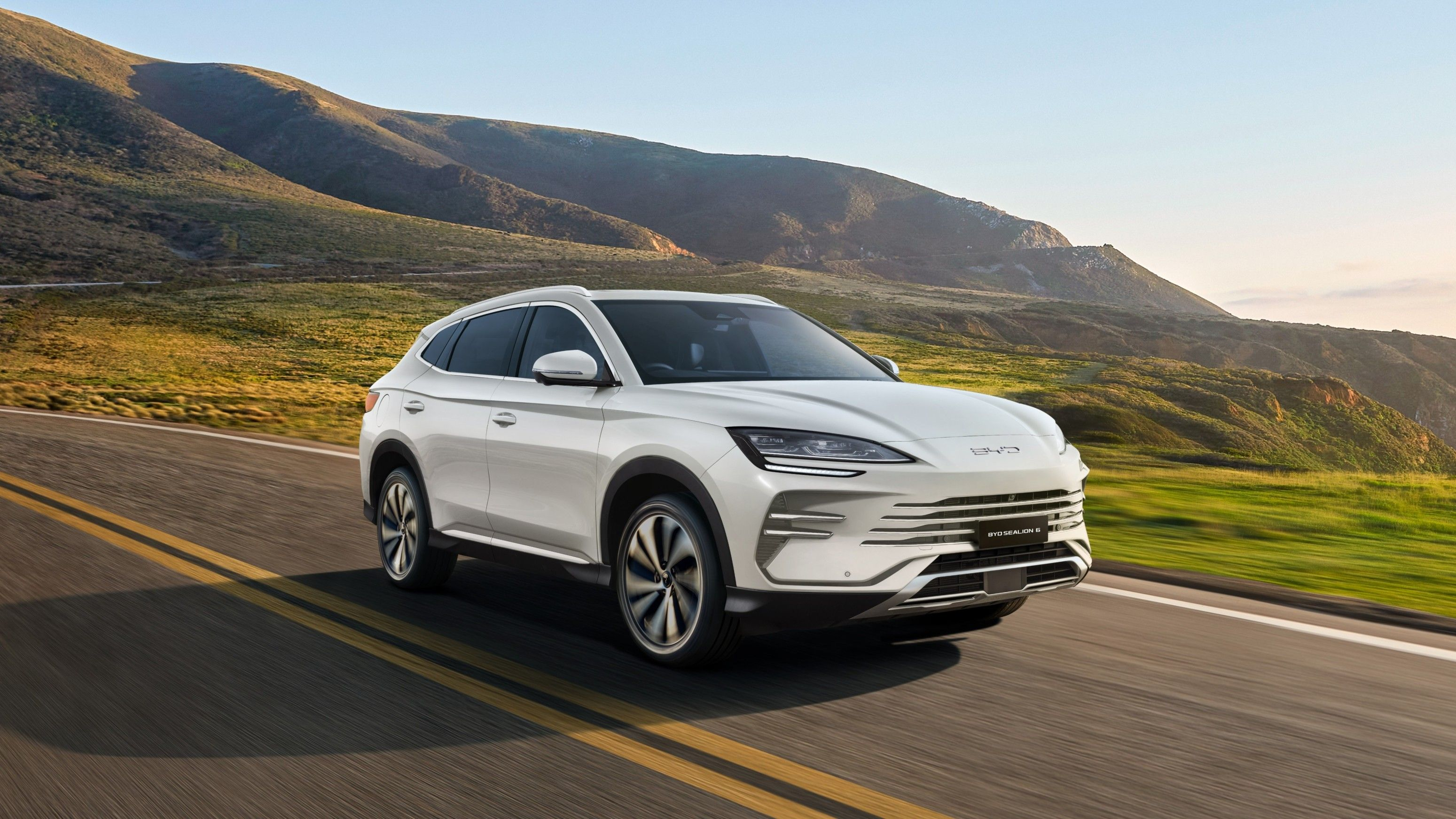
- Runner Automobiles partners with BYD to enable EV manufacturing in Bangladesh
- Agreement strengthens local automotive ecosystem and electrification growth
In 2026, the Runner Automobiles BYD Auto Bangladesh EV manufacturing deal highlights a strategic shift in South Asia’s mobility landscape as local production capabilities align with global electric vehicle expansion. The agreement reflects growing demand for electrification in emerging markets and positions Bangladesh as a new hub for EV assembly and supply. With increasing competition among Asian automotive players, this collaboration signals a strong push toward localized manufacturing and technology transfer, strengthening industrial capacity while accelerating adoption of cleaner mobility solutions.
Strategic Agreement Between Runner Automobiles and BYD
Runner Automobiles PLC announced that its Board of Directors approved the signing of a master supply and manufacturing agreement with BYD Auto Industry Company Limited. This collaboration enables the supply and production of vehicles from one of China’s leading electric vehicle manufacturers within Bangladesh. The agreement represents a structured approach to combining local manufacturing strengths with advanced EV technologies, ensuring scalability and operational efficiency in a rapidly evolving automotive ecosystem.
Impact on Bangladesh Automotive Industry
This development marks a major milestone for Bangladesh’s automotive sector, opening pathways for industrial growth, job creation, and technology integration. The partnership is expected to enhance domestic production capabilities while reducing dependency on imports. It also supports the country’s broader push toward sustainable transportation by introducing advanced electric mobility solutions. As global OEMs increasingly explore emerging markets, Bangladesh stands to benefit from improved infrastructure, supplier ecosystem development, and increased investment inflows.
Growth Opportunities and Market Expansion
The agreement creates significant growth opportunities for Runner Automobiles by expanding its product portfolio into electric vehicles and strengthening its position in the regional market. For BYD, the partnership provides access to a high-potential market with rising urbanization and demand for cost-effective mobility solutions. This collaboration may also encourage further partnerships, supply chain localization, and innovation in battery technology, ultimately accelerating EV penetration across South Asia.
The Runner Automobiles BYD Auto Bangladesh EV manufacturing deal underscores a broader trend of global EV players collaborating with regional manufacturers to scale operations efficiently, reduce costs, and drive sustainable mobility adoption in emerging economies.
Frequently Asked Questions
What is the significance of the Runner Automobiles and BYD agreement?
The agreement establishes a partnership for supplying and manufacturing electric vehicles in Bangladesh, marking a major milestone in the country’s automotive industry. It enables local production of advanced EVs while fostering industrial growth and technology transfer. This collaboration strengthens Bangladesh’s position in the regional EV ecosystem and supports its transition toward sustainable mobility. Additionally, it creates new opportunities for investment, job creation, and supply chain development, making it a strategically important move for both companies and the broader market.
How will this partnership impact the EV market in Bangladesh?
The partnership is expected to accelerate EV adoption by improving vehicle availability, reducing costs through local manufacturing, and enhancing infrastructure development. It introduces advanced electric mobility technologies to the domestic market, encouraging competition and innovation. Key impacts include:
- Increased local production capacity
- Lower dependence on imports
- Growth of supplier ecosystem
- Faster EV adoption across segments
Click above to visit the official source.
Discussion
Join the conversation.