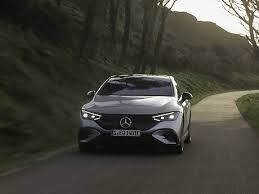
- Electric GLC cuts lifecycle emissions by around two-thirds versus gasoline model
- Battery, aluminium, and recycled materials drive major sustainability gains
In 2026, the Mercedes-Benz electric GLC lifecycle carbon emissions reduction initiative highlights how premium automakers are reshaping sustainability benchmarks in the midsize SUV segment. As regulatory pressure and market expectations intensify across Germany and global EV markets, lifecycle emissions have become a critical competitive metric. The electric GLC demonstrates how strategic material sourcing, cleaner energy use, and circular design principles can significantly lower environmental impact compared with traditional combustion models.
Lifecycle Emissions Reduction Strategy and Key Impact Areas
The electric GLC achieves an estimated reduction of nearly two-thirds in lifecycle carbon emissions compared with its gasoline counterpart. This improvement is not limited to tailpipe elimination but extends across the entire value chain, including material extraction, component manufacturing, and vehicle assembly. The approach focuses on high-impact materials such as battery cells, aluminium, steel, and thermoplastics, where emissions intensity is traditionally highest. By optimizing these areas, the vehicle delivers measurable sustainability gains while maintaining performance and premium positioning.
Production-Level Carbon Optimization Measures
During manufacturing, coordinated supplier engagement enables a significant reduction in production-related emissions. For the GLC 400 4MATIC with EQ Technology, approximately 23% lower carbon emissions are achieved during vehicle production. This is driven by improved energy sourcing, reduced process emissions, and material efficiency improvements. Supplier collaboration plays a crucial role, particularly in transitioning toward renewable energy usage and low-emission industrial processes across the upstream supply chain.
Material Innovation Driving Sustainability Gains
The environmental improvements are strongly linked to innovations in materials and component sourcing. These include advancements in battery manufacturing, increased use of recycled polymers, and sustainable metal sourcing. Each of these contributes incrementally to lowering the overall carbon footprint while supporting circular economy objectives within the automotive industry.
| Sustainability Area | Impact |
|---|---|
| Battery Production | ~40% lower carbon footprint per cell |
| Recycled Thermoplastics | 61 kg used, including 35% post-consumer waste |
| Aluminium Sourcing | ~66% from recycled or low-carbon sources |
| Interior Materials | Certified vegan alternatives available |
Low-Carbon Battery and Circular Material Use
Battery production remains the most emission-intensive phase in EV manufacturing, making it a primary focus area. By integrating renewable energy and cleaner raw materials, the carbon footprint per battery cell is reduced by around 40%, translating into a saving of approximately 3.1 tonnes of carbon dioxide per vehicle. Additionally, the use of recycled thermoplastics—particularly those derived from post-consumer sources such as end-of-life vehicle components—supports both emissions reduction and material circularity goals.
Sustainable Aluminium and Interior Innovations
Aluminium, a critical lightweighting material, is sourced increasingly from recycled inputs or produced using renewable energy, accounting for about two-thirds of total aluminium usage in the vehicle. This shift alone contributes to a reduction of roughly 1.1 tonnes of carbon dioxide. Alongside structural materials, interior sustainability is addressed through an optional vegan configuration, where approximately 100 components—including seat covers and floor materials—are certified free from animal-derived content, aligning with evolving consumer preferences and environmental standards.
The electric GLC demonstrates how integrated sustainability strategies—spanning material science, supply chain transformation, and product design—can significantly reduce lifecycle emissions while maintaining premium vehicle standards. As EV adoption accelerates, such approaches are expected to become baseline requirements rather than differentiators in the global automotive landscape.
Frequently Asked Questions
How much does the electric GLC reduce lifecycle emissions compared to gasoline models?
The electric GLC reduces lifecycle carbon emissions by approximately two-thirds compared with its gasoline counterpart. This reduction includes emissions from production, material sourcing, and vehicle operation, not just tailpipe elimination. Key contributors include low-carbon battery production, recycled materials, and renewable energy usage. These measures collectively lower the vehicle’s total environmental footprint, making it significantly more sustainable across its entire lifecycle.
What role does battery production play in emission reduction?
Battery production is one of the most emission-intensive processes in electric vehicles. In the electric GLC, improvements such as renewable energy use and cleaner raw materials reduce battery cell emissions by around 40%. This results in a saving of roughly 3.1 tonnes of carbon dioxide per vehicle. These advancements highlight how optimizing battery manufacturing can deliver substantial lifecycle emission benefits in EVs.
How are recycled materials used in the electric GLC?
The vehicle incorporates 61 kg of recycled thermoplastics, with 35% sourced from post-consumer waste, including recycled automotive components like bumpers. These materials are used in various structural and interior applications without compromising quality or durability. This approach supports circular economy principles while reducing reliance on virgin raw materials, contributing to overall emission reduction and sustainability goals.
Click above to visit the official source.
Discussion
Join the conversation.