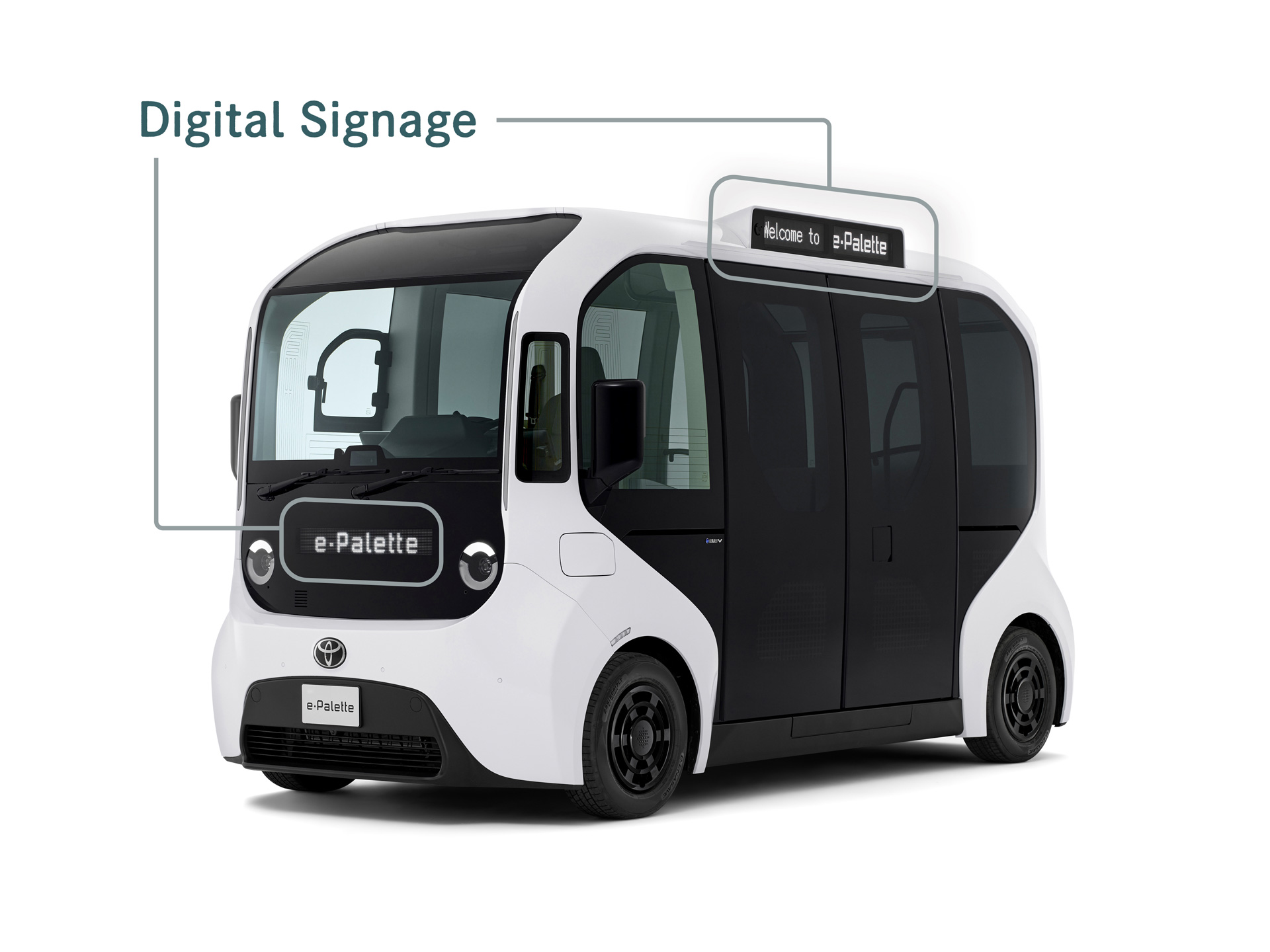
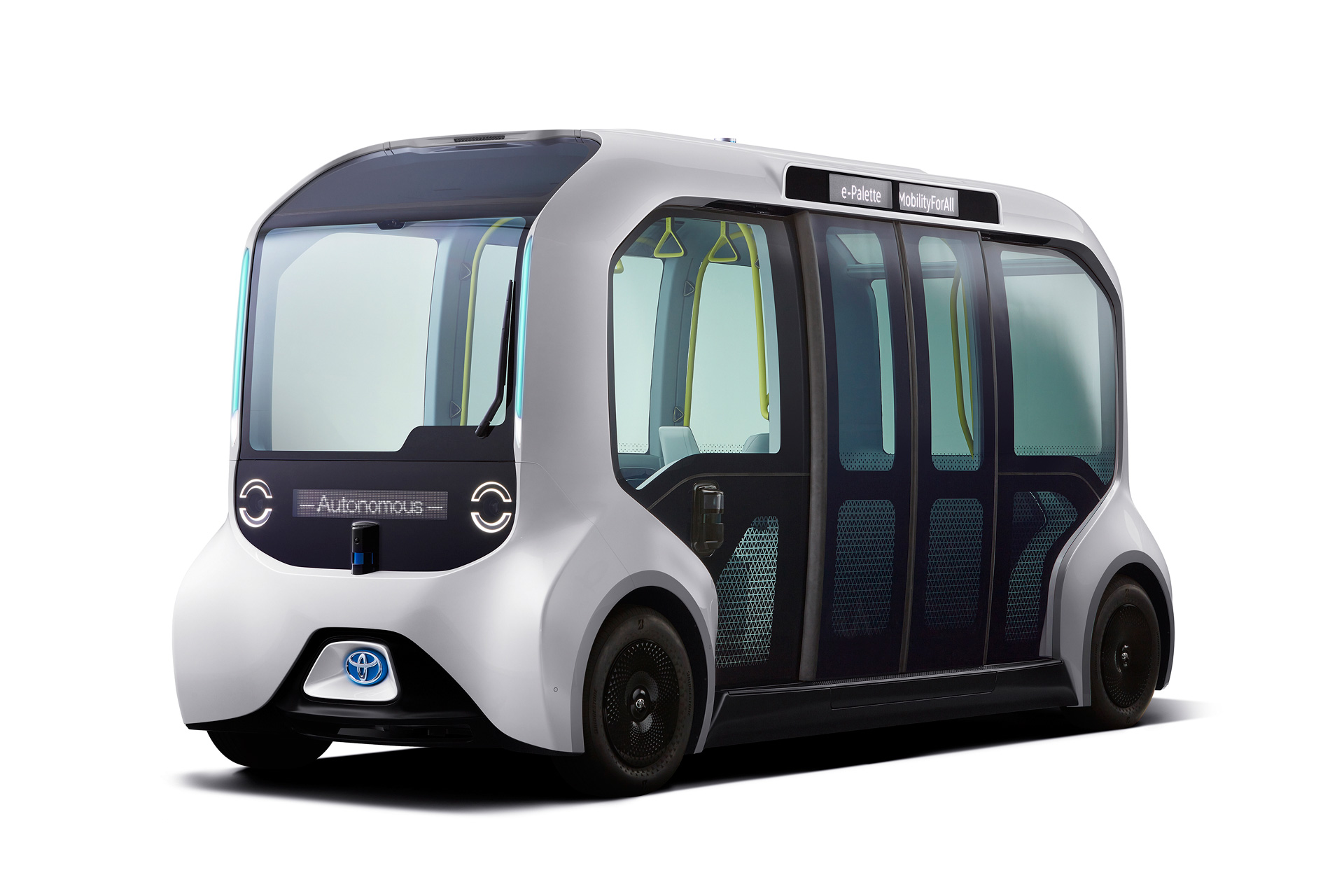
- Toyota plans large-scale e-Palette production at Hamura plant to support autonomous mobility services
- Level 4 autonomous deployment targeted by FY2027 aligned with Japan’s national mobility goals
Toyota Motor Corporation is advancing its strategy in next-generation mobility by evaluating the expansion of production for its Toyota e-Palette autonomous mobility platform. The vehicle, purpose-built for mobility services, is currently manufactured in limited volumes at its headquarters facility in Aichi Prefecture. However, the company is preparing for a significant scale-up, with plans to shift mass production to a newly acquired facility in Tokyo. This move reflects broader industry momentum toward autonomous, service-oriented transportation ecosystems.
Production Shift to Hamura Facility
The planned transition involves relocating large-scale manufacturing operations to the Hamura Plant in Tokyo, which Toyota is set to acquire from Hino Motors. This facility is expected to serve as a central hub for producing autonomous mobility vehicles at scale. By leveraging this plant, Toyota Motor Corporation aims to streamline manufacturing efficiency while supporting the anticipated growth in demand for autonomous mobility solutions across urban and regional transport networks.
Alignment with Japan’s Autonomous Mobility Goals
The expansion aligns closely with national objectives set by Japan, which aims to deploy 10,000 vehicles equipped with Level 4 autonomous driving capabilities by fiscal year 2030. These vehicles are expected to include buses, taxis, and other shared mobility formats operating under defined conditions. Toyota is targeting the introduction of Level 4 capabilities in its platform as early as fiscal year 2027, positioning itself to contribute significantly to the country’s long-term autonomous mobility roadmap.
Flexible Architecture for Diverse Applications
A defining feature of the platform is its adaptability across multiple use cases and operating environments. The vehicle supports integration with various autonomous driving kits, including those developed by external partners. This modular approach enables deployment in different regions with varying infrastructure, traffic patterns, and regulatory frameworks, making it suitable for applications such as public transport, logistics, and on-demand mobility services.
Key Functional Capabilities
The platform’s design emphasizes versatility and scalability, allowing operators to tailor configurations based on service requirements.
- Compatibility with multiple autonomous driving systems
- Adaptability to regional traffic and infrastructure conditions
- Support for diverse mobility service applications
- Scalable production strategy aligned with demand growth
Strategic Push Toward Mobility Services
The decision to scale production reflects a broader transformation in the automotive sector, where traditional vehicle ownership models are gradually being complemented by shared and service-based mobility solutions. By accelerating deployment of autonomous-capable platforms, Toyota is positioning itself to play a central role in this transition. The initiative also supports the development of a robust supply chain for autonomous technologies, ensuring readiness for increased adoption as regulatory frameworks and infrastructure continue to evolve.
The expansion of production capacity and alignment with national targets indicate a clear commitment to advancing autonomous mobility services, reinforcing the company’s long-term vision of accessible and efficient transportation ecosystems.
Click above to visit the official source.
Discussion
Join the conversation.